
Built to spec
Built to your engineered drawings, survey, and the real site conditions, not a one-size-fits-all approach forced to fit.
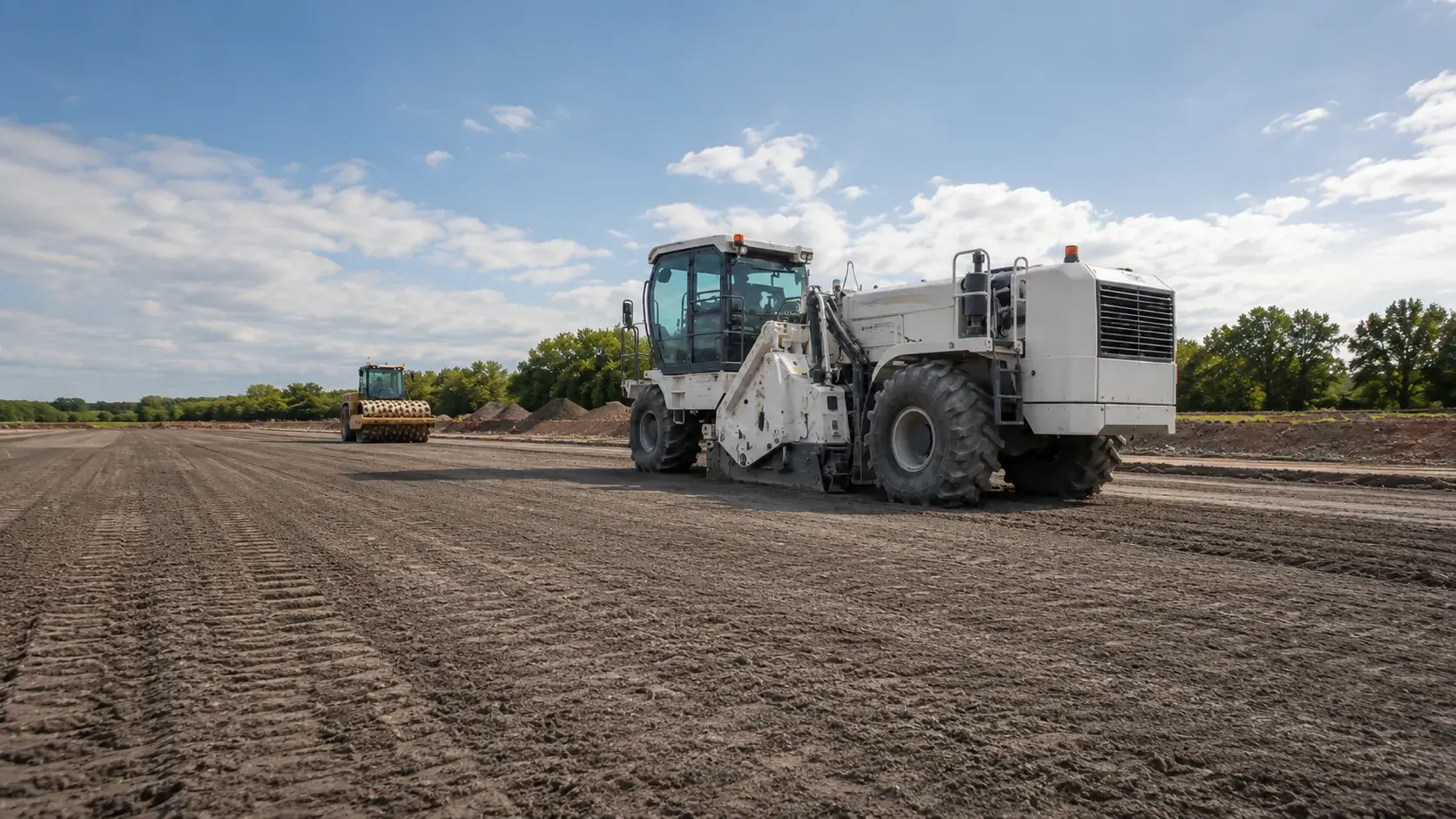
Soil Stabilization and Ground Improvement in Oakville strengthen and prepare weak soils to support structures and pavements.
Tell us what you need and we’ll get you a quote.
Licensed, insured & WSIB-covered · Free, no-obligation quote & on-site assessment.
Built to your engineered drawings, survey, and the real site conditions, not a one-size-fits-all approach forced to fit.
Durable materials and methods chosen for the load, traffic, and environment on site.
Send specs, drawings, or photos and get a free, no-obligation site visit and estimate with no guesswork.
Installation and site work completed in accordance with Ontario requirements.
Soil stabilization and ground improvement increase bearing capacity, control settlement, improve workability, reduce pumping, or support slopes and excavations before foundations and pavements are built. Harrowgate performs GTA excavation, undercut, aggregate, geosynthetic, and binder-treatment scopes, and manages engineered deep methods to the geotechnical design and verification program.
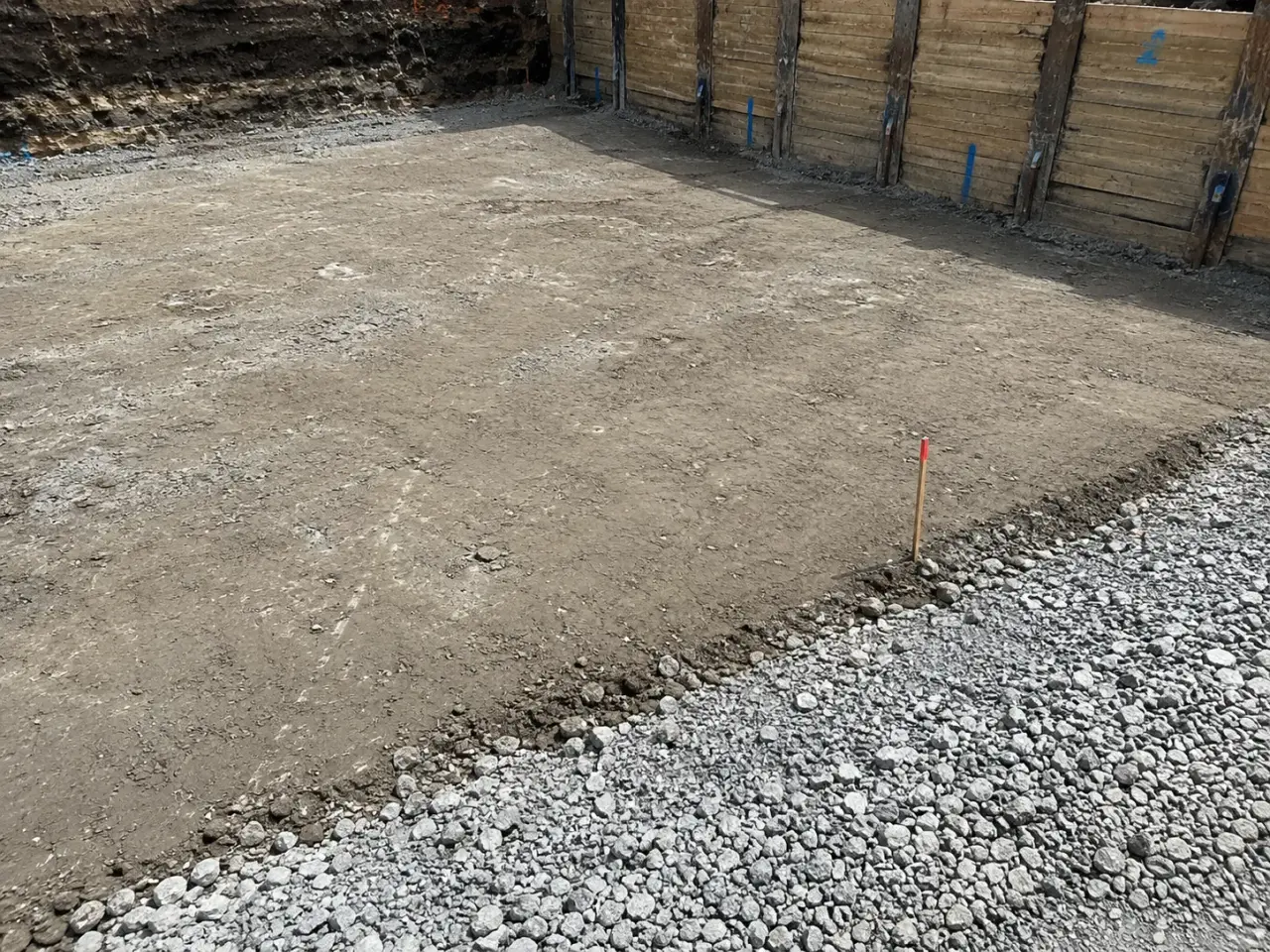
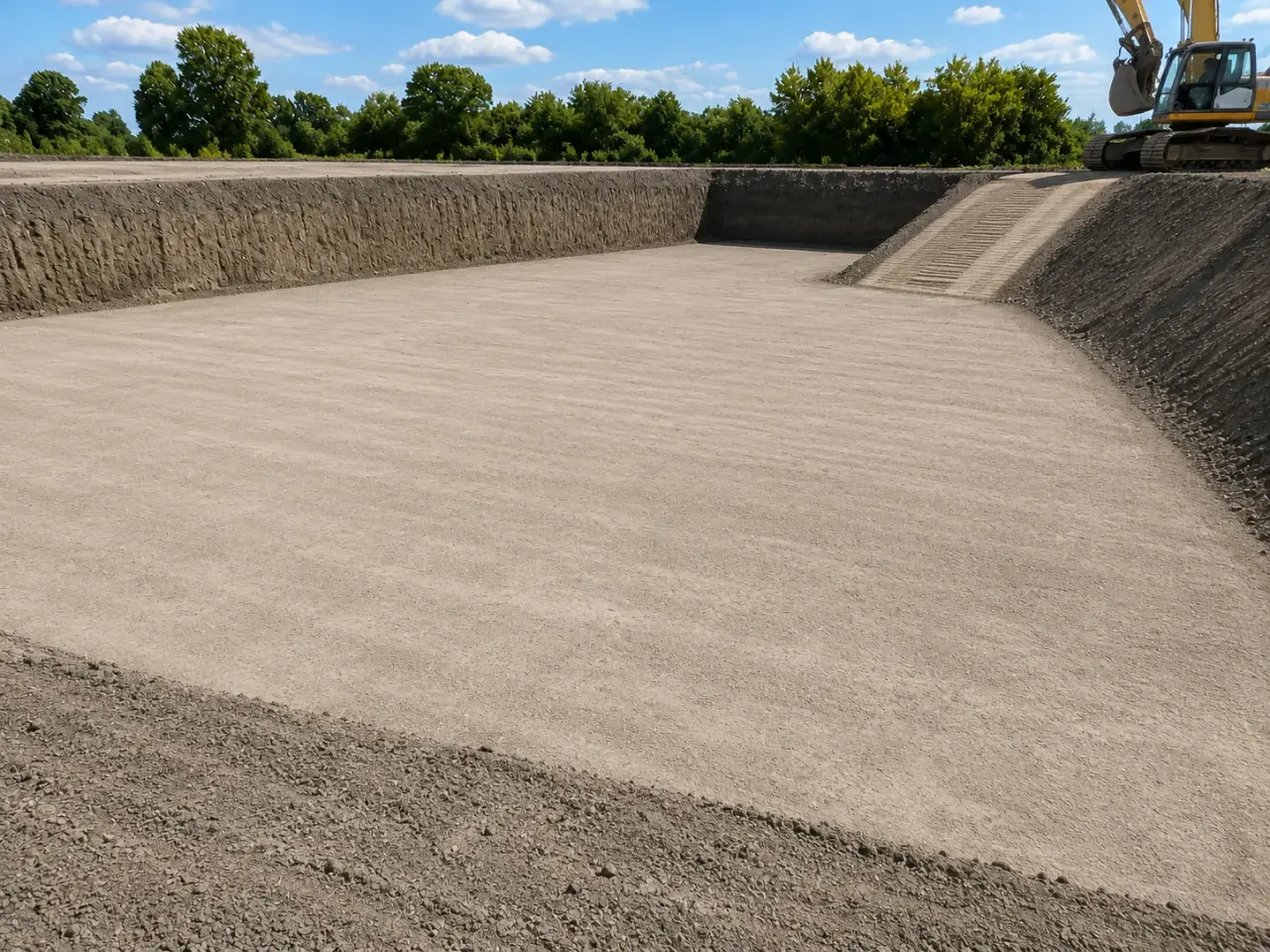
Undercut and replacement removes unsuitable soil where depth, access, haul, and groundwater permit. Lime or cement modification improves moisture, workability, strength, or stiffness in suitable soils through controlled mixing and curing. Geogrids, geotextiles, and geocells reinforce or separate weak formation. Stone columns, rigid inclusions, deep soil mixing, compaction grouting, jet grouting, dynamic compaction, preload, wick drains, and lightweight fill address different depth, settlement, bearing, liquefaction, and access conditions. The geotechnical design selects the mechanism and verification.
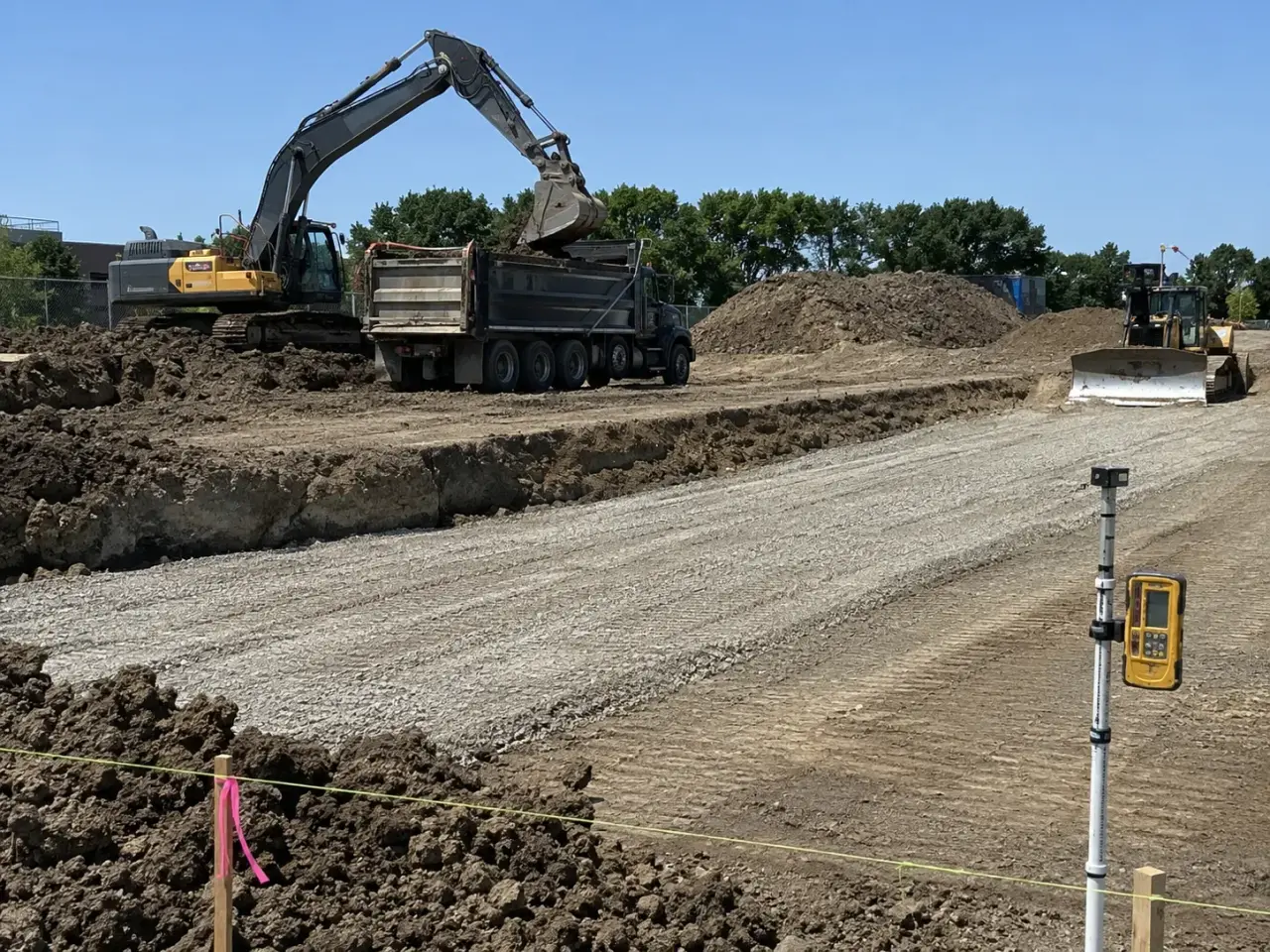
Step 1, We strip unsuitable surface material and expose the treatment elevation without trafficking saturated soil. Proof rolling and geotechnical review map yielding, rutting, and pumping zones. For undercut, excavation limits are surveyed, soft material is removed without overexcavating competent soil, and the replacement is placed in controlled granular lifts. Geotextile separates fine subgrade from stone, while geogrid provides tensile confinement where designed.
Step 2, For lime or cement treatment, the subgrade is scarified to depth, binder is spread at the approved mass per square metre, and a reclaimer blends it uniformly with controlled water. Mixing continues until colour and texture are consistent and clods meet the specified pulverization. The treated layer is shaped, compacted within its working time, trimmed to elevation, and cured or protected from rain and freezing as required.
Step 3, Deep methods follow an engineered layout and trial program. Stone columns displace or replace weak soil with compacted aggregate. Deep soil mixing blends binder into native soil to form improved columns or panels. Rigid inclusions transfer loads through compressible strata to stronger material, usually with a load-transfer platform. Harrowgate manages working platforms, spoil, survey, production access, and interfaces with foundations and utilities.
Step 4, Verification is method-specific. Density and proof-roll response apply to granular replacement. Treated-soil tests can include moisture, density, unconfined strength, and thickness. Deep systems use installation logs, depth, energy, grout or binder volume, column diameter, modulus or load tests, and settlement monitoring. Nonconforming zones are remixed, supplemented, or removed under engineer direction.
Step 5, Harrowgate closes treatment areas through mapped production records, material quantities, trial and acceptance tests, corrective work, survey or monitoring, drainage and protection, and a geotechnical release for subsequent construction.
Planning soil stabilization and ground improvement in Oakville? Talk it through with our team.
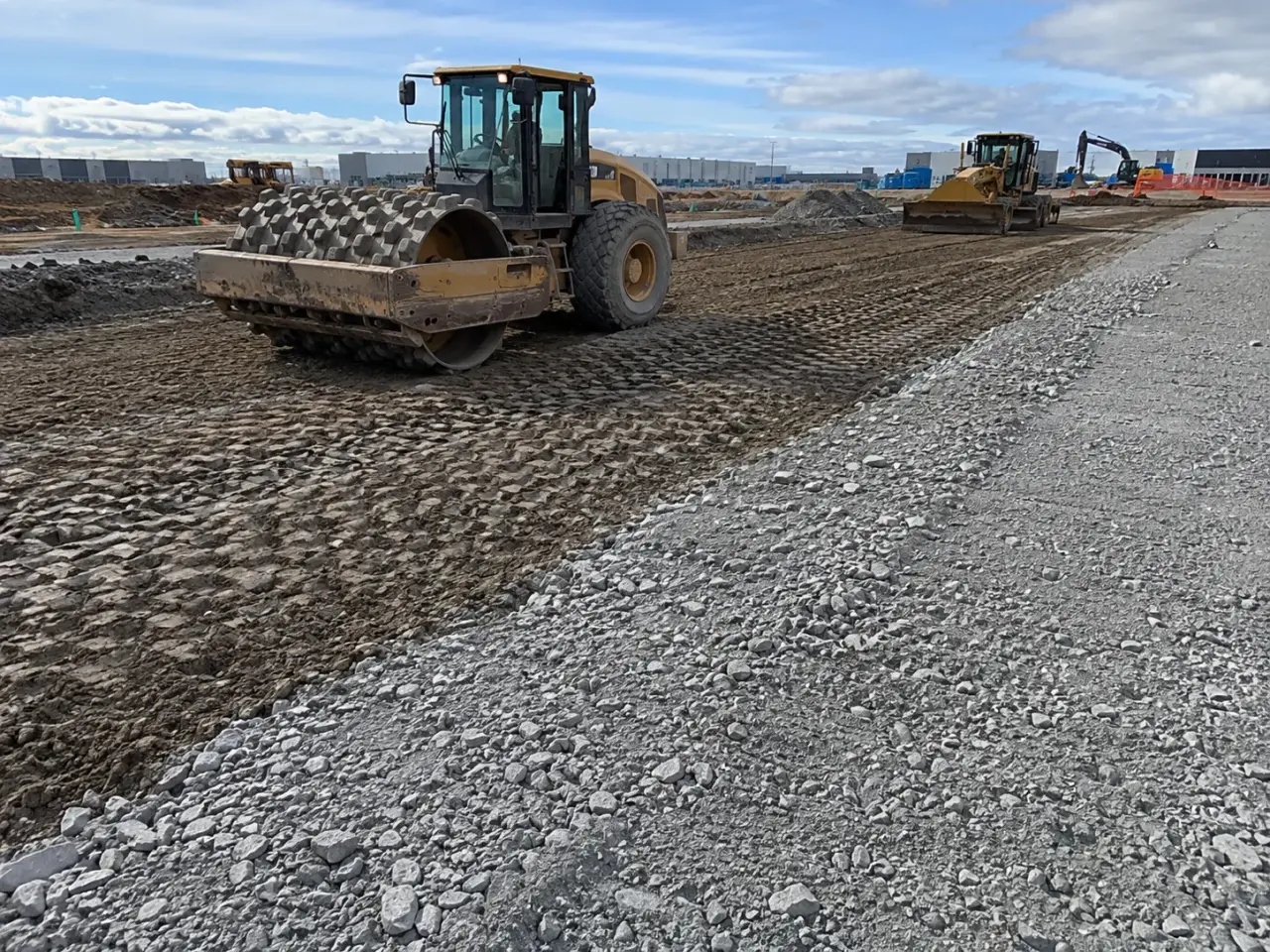
Completed on site to the engineered drawings, coordinated with concrete, servicing, and the surrounding work, then a clean, documented finish.
Soil stabilization often changes or reinforces shallow soil using compaction, aggregate, geosynthetics, lime, or cement. Ground improvement is broader and includes deep methods such as stone columns, deep mixing, grouting, and rigid inclusions. Both aim to meet engineered bearing, settlement, strength, or constructability requirements for the proposed works.
The geotechnical engineer evaluates soil profile, groundwater, loading, settlement tolerance, depth, adjacent structures, vibration, utilities, schedule, and environmental constraints. Harrowgate then develops the construction sequence, trial area, equipment, material controls, and verification plan. A method suitable for wet clay can be ineffective or uneconomic in organic fill or loose sand.
It can be effective when laboratory mix design and field trials show suitable strength and workability. Soil mineralogy, moisture, organics, sulphates, temperature, dosage, mixing depth, and compaction timing affect performance. Harrowgate uses calibrated spreading, controlled water, overlapping reclaimer passes, and test grids rather than applying a universal binder rate.
Geotextile separates fine subgrade from aggregate and provides filtration, while geogrid confines aggregate and spreads wheel load through tensile reinforcement. They perform different functions and may be used together. Proper subgrade preparation, overlap, tension, first-lift placement, stone gradation, and protection from equipment are essential to obtain the designed benefit.
Testing matches the method. Granular replacement uses density, thickness, and proof-roll response. Binder-treated soil can use moisture, density, pulverization, and unconfined strength. Deep systems rely on installation logs, depth, material volume, load or modulus tests, and settlement monitoring. The engineer defines frequency, locations, and acceptance before production.
Common causes are incomplete investigation, poor drainage, untreated soft pockets, insufficient mixing depth, uneven binder, wrong moisture, late compaction, fabric damage, and construction traffic before adequate cover or cure. Harrowgate maps weak zones, controls material and passes, protects completed work, and links test results to surveyed treatment areas.
Selection follows soil type and depth, groundwater, contamination, required bearing and settlement, loading, access, vibration, adjacent assets, schedule, spoils, environmental effects, and how the result can be verified. One method does not suit every weak soil.
A trial confirms equipment, material dose, depth, mixing or installation response, production controls, and the selected test method on actual site ground. It allows the design and procedure to be adjusted before large areas are treated.
Still have a question about soil stabilization and ground improvement in Oakville? Ask our team directly.
Commercial and heavy-civil construction delivered for developers, contractors, property managers, and municipalities.
Send drawings, a site plan, or a description of the scope. Harrowgate Group is licensed, insured, and WSIB-covered.
Licensed, Insured & WSIB-Covered, work managed and documented on every job
Tell us what you need and we’ll get you a quote.
Harrowgate Group provides soil stabilization and ground improvement, delivered and installed with quote-ready support across Toronto and surrounding Ontario communities.
Companies We've Worked With
Harrowgate Group delivers commercial and heavy-civil construction for developers, contractors, institutions, municipalities, and property groups across Ontario.
 Popeyes
  Tim Hortons
  Subway
  University of Toronto
  Madison Group
  RioCan
  Women's College Hospital
  Starbucks
  Mazda
Mazda  TD Bank
  City of Toronto Popeyes Tim Hortons Subway University of Toronto Madison Group RioCan Women's College Hospital Starbucks Mazda TD Bank City of Toronto