
Built to spec
Built to your engineered drawings, survey, and the real site conditions, not a one-size-fits-all approach forced to fit.
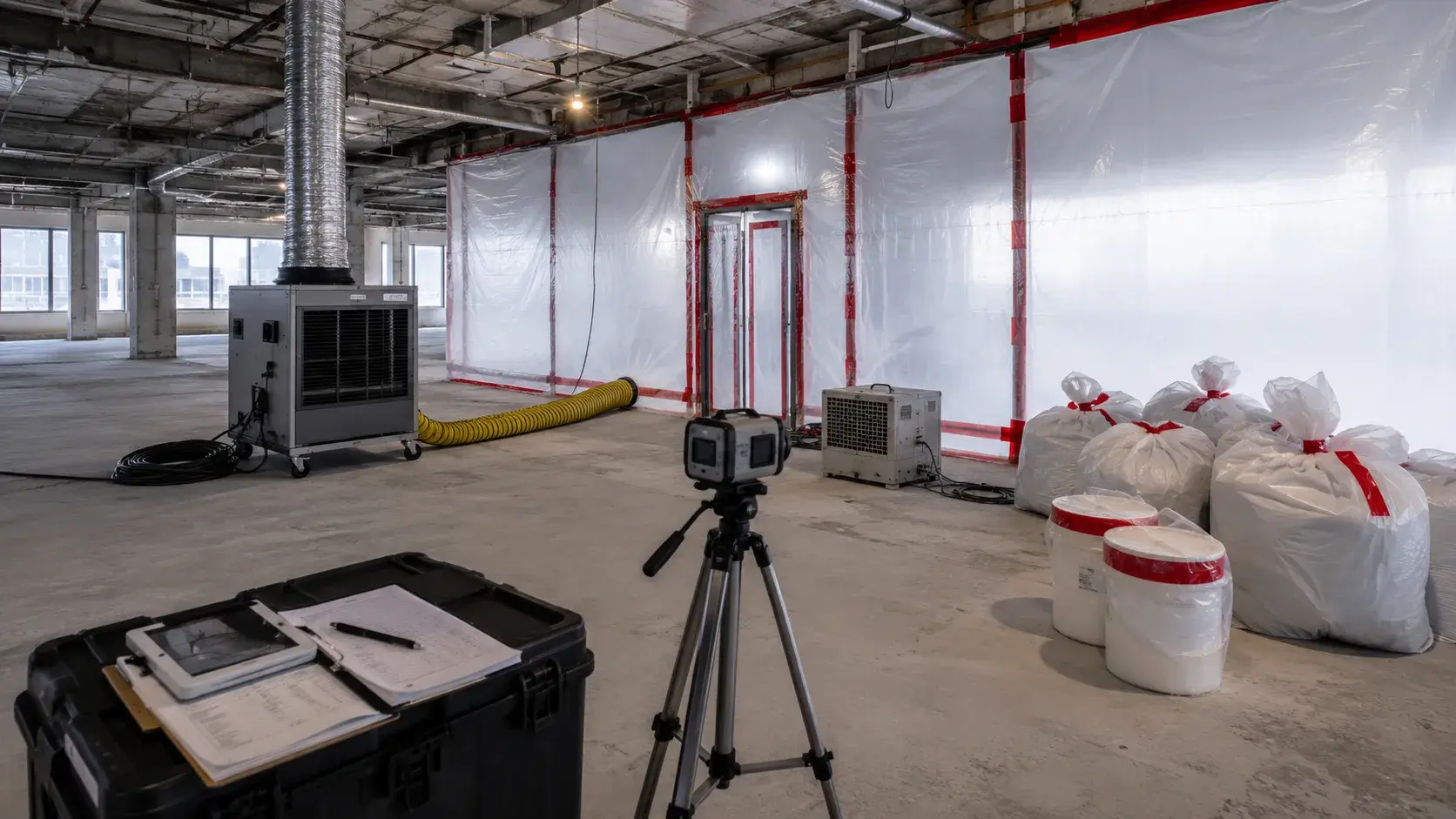
Harrowgate performs controlled removal and decontamination for Ontario designated substances on commercial, industrial, institutional, and heavy-civil projects across the GTA.
Tell us what you need and we’ll get you a quote.
Licensed, insured & WSIB-covered · Free, no-obligation quote & on-site assessment.
Built to your engineered drawings, survey, and the real site conditions, not a one-size-fits-all approach forced to fit.
Durable materials and methods chosen for the load, traffic, and environment on site.
Send specs, drawings, or photos and get a free, no-obligation site visit and estimate with no guesswork.
Installation and site work completed in accordance with Ontario requirements.
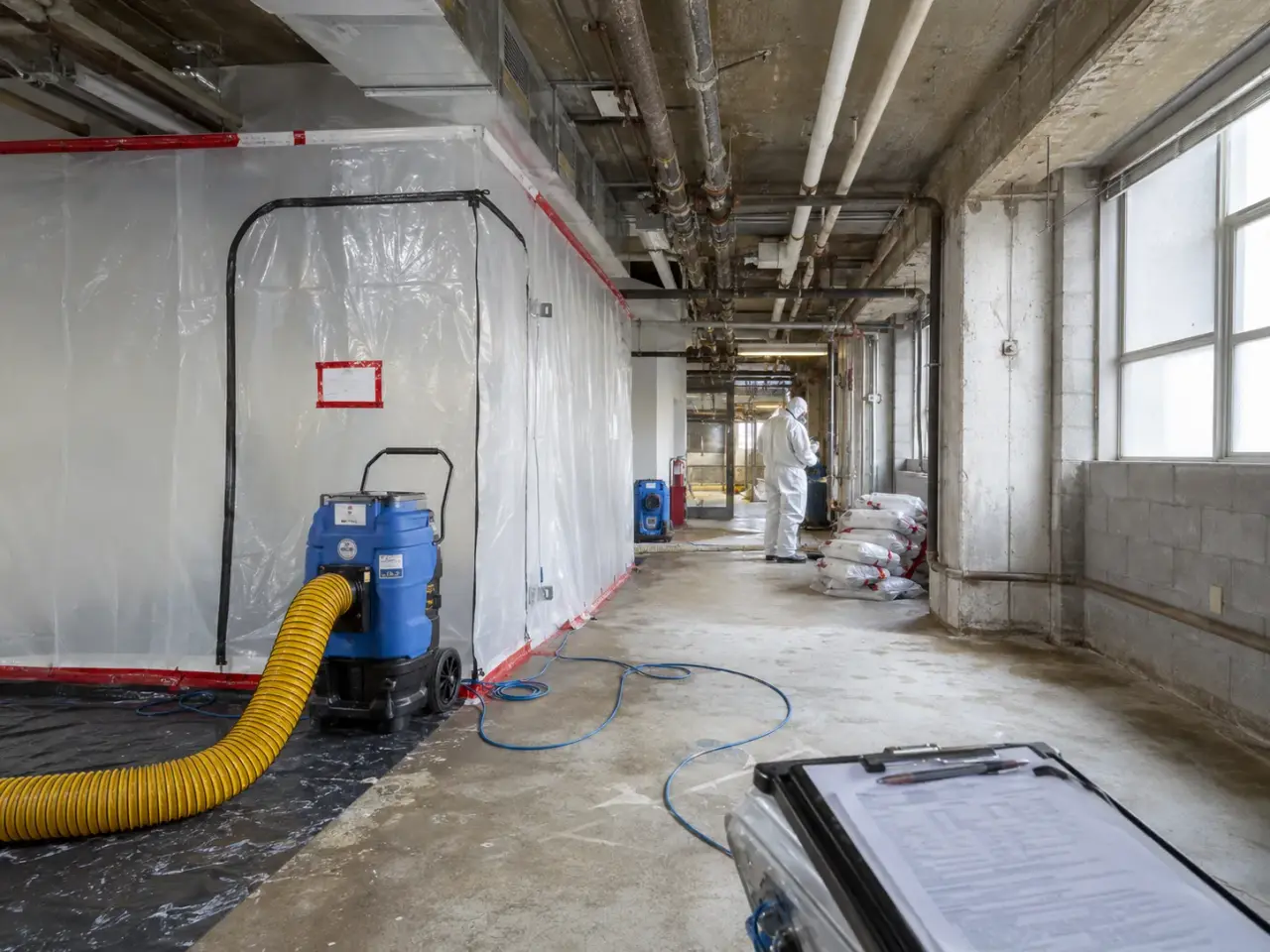
Designated substance abatement controls and removes materials containing substances specifically regulated under Ontario occupational-health law. Harrowgate performs the field work across the GTA, translating the owner’s assessment and control program into isolation, low-emission removal, exposure control, cleaning, verification, packaging, and lawful waste movement before construction continues.
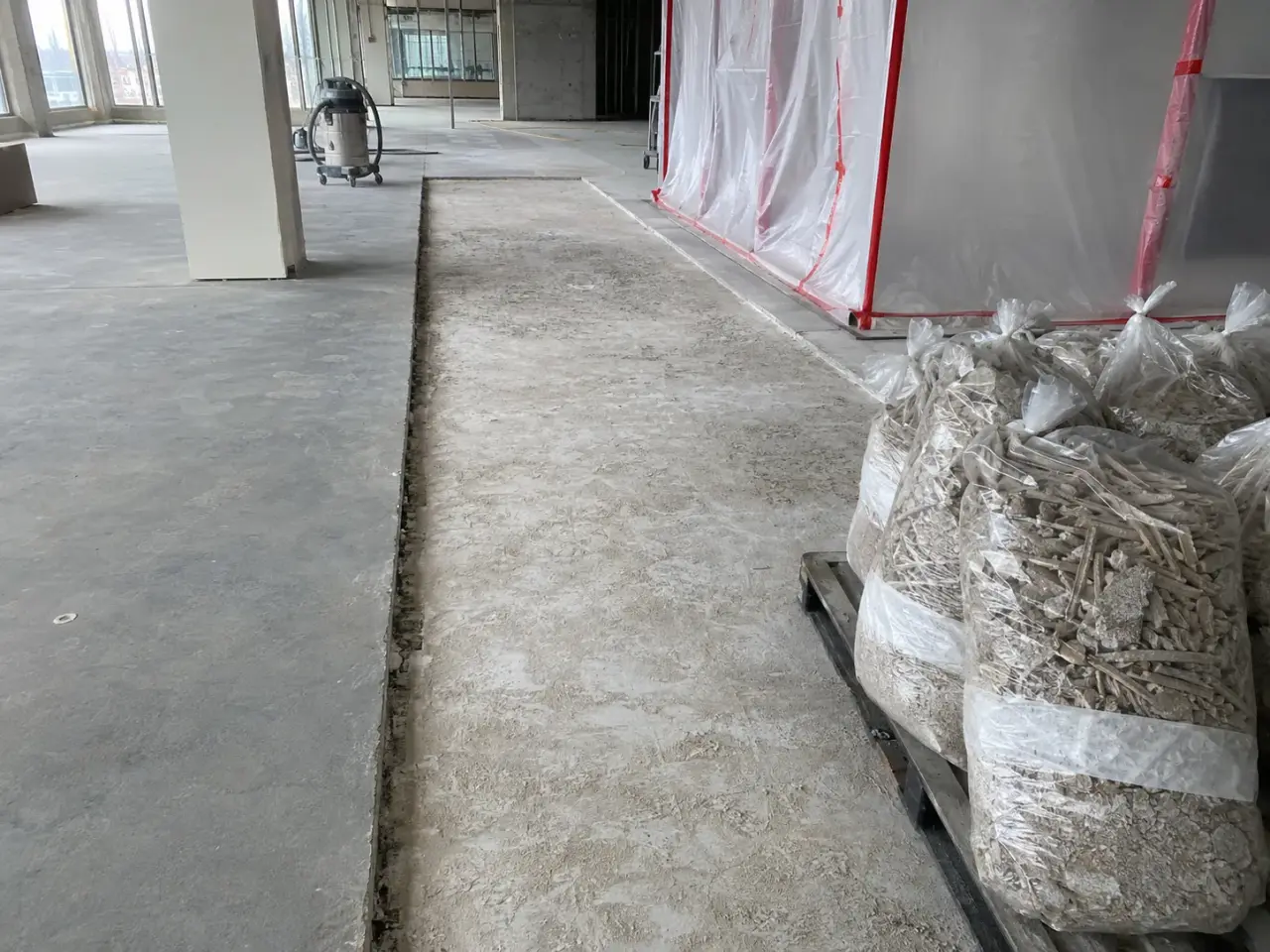
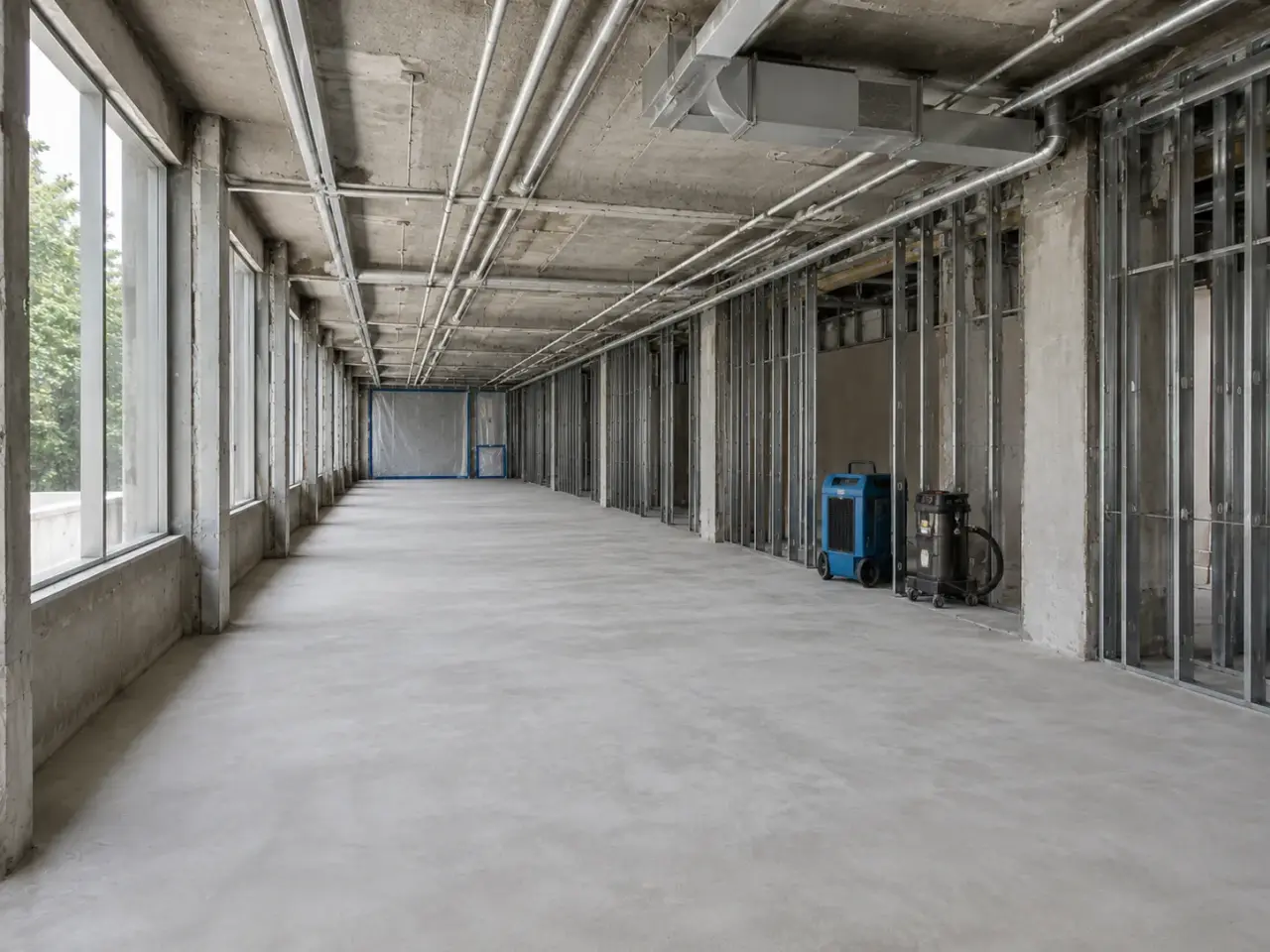
Designated-substance work can involve removal, enclosure, isolation, controlled cutting, surface decontamination, component recovery, or exposure-controlled disturbance. The chosen method follows the specific substance, airborne or contact route, material form, concentration, condition, quantity, task, tools, and workers who could be exposed. Asbestos uses its applicable construction and building requirements, while lead, silica, mercury, and other designated substances require their own assessment and control plan.
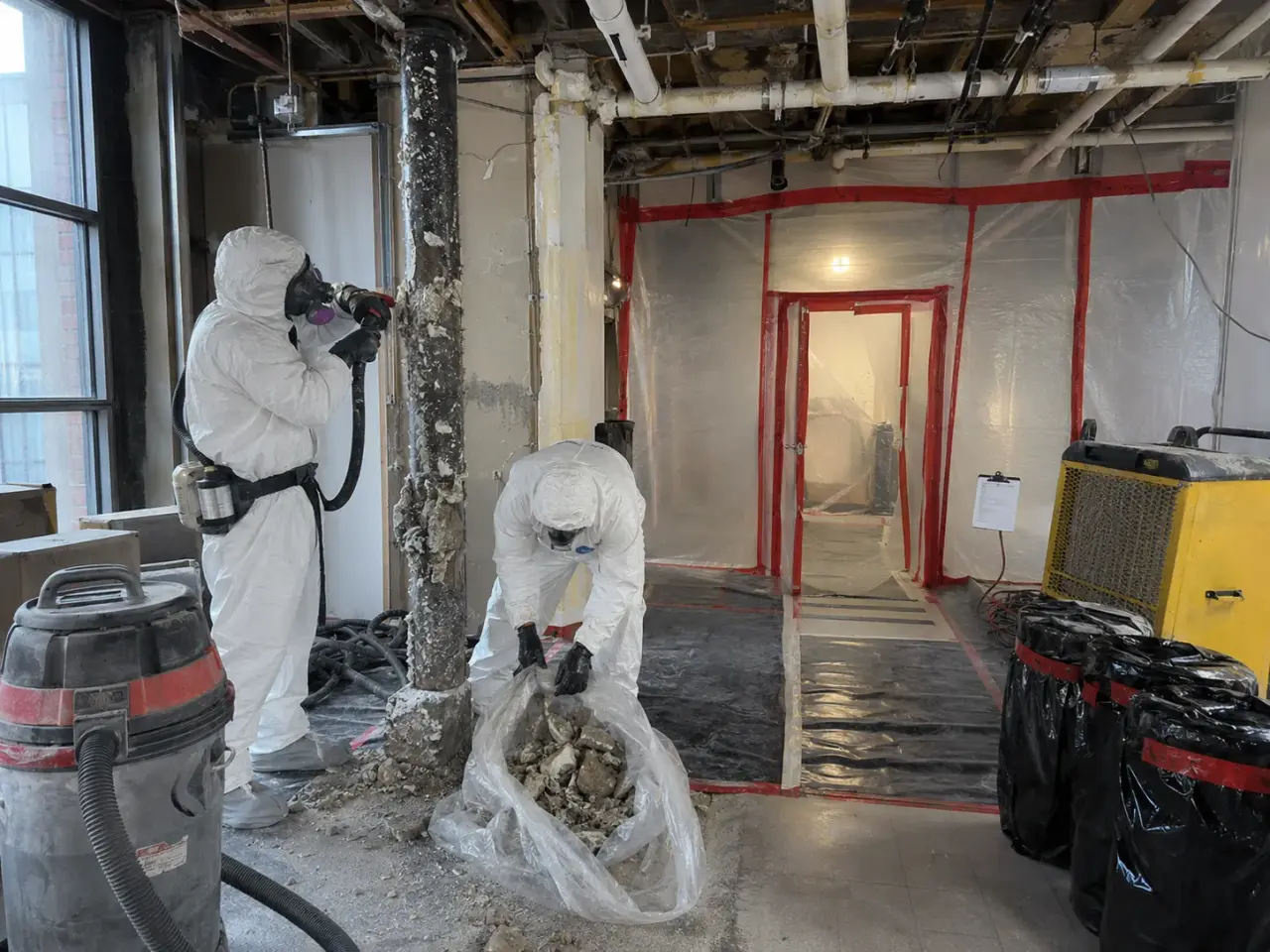
Step 1, The first field step is location control. We mark each surveyed item, confirm quantities against site conditions, photograph labels or coating boundaries, and establish a substance register for the work package. Shutdowns and isolations are completed before containment. The control area includes the removal surface, tool plume, access path, decontamination route, and package-transfer point, not just the visible patch.
Step 2, Lead coatings are commonly removed with wet scraping, chemical stripping, or HEPA-shrouded mechanical tools, depending on substrate and finish requirements. Mercury components are disconnected intact, protected from breakage, and packaged in compatible containers. Silica-bearing residue is wetted or vacuum-recovered with source capture. For chemical deposits, the method follows compatibility, vapour, skin-contact, and ignition hazards identified by the assessment.
Step 3, Exposure controls follow a hierarchy. We isolate the process, choose low-emission tools, use local exhaust or negative pressure where appropriate, restrict access, establish hygiene procedures, and apply respiratory and skin protection for remaining exposure. Air monitoring and surface checks are conducted at the frequency set by the control plan. Results feed back into production rather than being filed only at closeout.
Step 4, Detailed cleaning removes material from rough steel, concrete pores, ledges, cable trays, equipment bases, and enclosure surfaces. Waste includes removed product, substrate debris, filters, wipes, disposable protection, and contaminated water. Following consultant acceptance, the work zone is dismantled inward, remaining designated materials are updated on the project register, and the released area moves to demolition or reconstruction.
Step 5, Harrowgate closes each designated-substance zone through completed limits, detailed cleaning, exposure or clearance evidence where required, waste reconciliation, remaining-material records, and a documented construction release.
Designated-substance abatement follows the applicable Ontario exposure-control requirements, project assessment, substance-specific procedure, occupational health duties, and applicable local municipal requirements. Numbered regulations are intentionally not repeated as universal page guidance.
The assessment identifies routes and degree of exposure, affected workers, work methods, engineering controls, respirators and protective clothing, hygiene, training, monitoring, medical or specialist provisions, and emergency response required for the task.
Control methods remain substance-specific. A method selected for silica dust does not automatically control mercury vapour, lead residue, or asbestos fibres. Combined work is reviewed for interactions between wet methods, heat, chemicals, ventilation, and waste.
Closeout verifies that the designated disturbance limits are complete, the area is clean under the procedure, waste is accounted for, monitoring or clearance is accepted, and remaining substance information is returned to the owner.
Planning designated substance abatement? Talk it through with our team.
A generic hazardous-material plan fails when it ignores the specific exposure route. Local exhaust that captures lead dust may not be suitable for a volatile chemical, and wetting that controls silica may create contaminated water requiring separate recovery. Harrowgate uses a substance-by-substance task matrix and verifies that each control works under production conditions.
Scope gaps occur where coating continues behind clips, into deck flutes, under equipment, or through a wall penetration. We trace boundaries before pricing and make verification openings at likely transitions. When concealed material appears, the affected operation pauses, the register is updated, and controls extend before disturbance resumes.
Poor hygiene transfers contamination to clean areas through hands, footwear, clothing, and tools. Our clean and dirty zones, wash facilities, tool decontamination, sealed waste exit, and change procedures are established before production. Final acceptance includes the access route and equipment, not only the primary removal surface.
Completed on site to the engineered drawings, coordinated with concrete, servicing, and the surrounding work, then a clean, documented finish.
An employer assesses actual or potential worker exposure where a designated substance is present, produced, processed, used, handled, or stored in a covered workplace. For construction, owner-provided survey information must be reviewed before disturbance. The assessment guides the control program, monitoring, hygiene, work method, and any substance-specific requirements.
The method depends on coating condition, steel profile, access, and the required final finish. Harrowgate can use wet scraping, chemical stripping, or HEPA-shrouded mechanical preparation inside a controlled area. Chips, dust, slurry, filters, and protection are captured separately, and cleaned steel is presented for the specified visual or analytical acceptance.
Switches, lamps, thermostats, and instruments are located and disconnected intact wherever possible. Crews protect them from impact, use compatible closed packaging, and keep them separate from demolition debris. A breakage response, collection tools, ventilation decision, and waste route are established before removal begins, especially in occupied or process areas.
Concrete contains crystalline silica, but the required controls depend on the task and exposure potential. Cutting, grinding, breaking, or cleaning dry silica-bearing residue can create airborne dust. Harrowgate uses wet methods, source capture, isolation, access control, and respiratory protection as established by the assessment and Ontario construction requirements.
The project control plan establishes personal or area air monitoring, sampling frequency, action response, and record keeping. An occupational hygienist selects the method and interprets results. Harrowgate coordinates sampling with representative production tasks and adjusts engineering controls, work practices, crew access, or protective equipment when results indicate improvement is required.
Removed material, contaminated substrate, filters, wipes, wash water, and disposable protection are characterized under Regulation 347. Compatible packages are labelled and secured, incompatible streams stay separate, and subject waste moves with the required digital manifest to an authorized receiver. Load and receiving records are reconciled at project closeout.
A survey identifies substances and locations. The assessment applies that information to the actual task, material condition, quantity, tools, exposure routes, workers, and controls. A changed scope or unexpected material can require the assessment to be updated.
Only after the required detailed cleaning, inspections, monitoring or clearance, waste handling, and release are complete for that substance and area. Other hazardous materials in the demolition path must also be cleared.
Still have a question about designated substance abatement? Ask our team directly.
Commercial and heavy-civil construction delivered for developers, contractors, property managers, and municipalities.
Send drawings, a site plan, or a description of the scope. Harrowgate Group is licensed, insured, and WSIB-covered.
Licensed, Insured & WSIB-Covered, work managed and documented on every job
Tell us what you need and we’ll get you a quote.
Harrowgate Group provides designated substance abatement, delivered and installed with quote-ready support across Toronto and surrounding Ontario communities.
Companies We've Worked With
Harrowgate Group delivers commercial and heavy-civil construction for developers, contractors, institutions, municipalities, and property groups across Ontario.
 Popeyes
  Tim Hortons
  Subway
  University of Toronto
  Madison Group
  RioCan
  Women's College Hospital
  Starbucks
  Mazda
Mazda  TD Bank
  City of Toronto Popeyes Tim Hortons Subway University of Toronto Madison Group RioCan Women's College Hospital Starbucks Mazda TD Bank City of Toronto