
Built to spec
Built to your engineered drawings, survey, and the real site conditions, not a one-size-fits-all approach forced to fit.
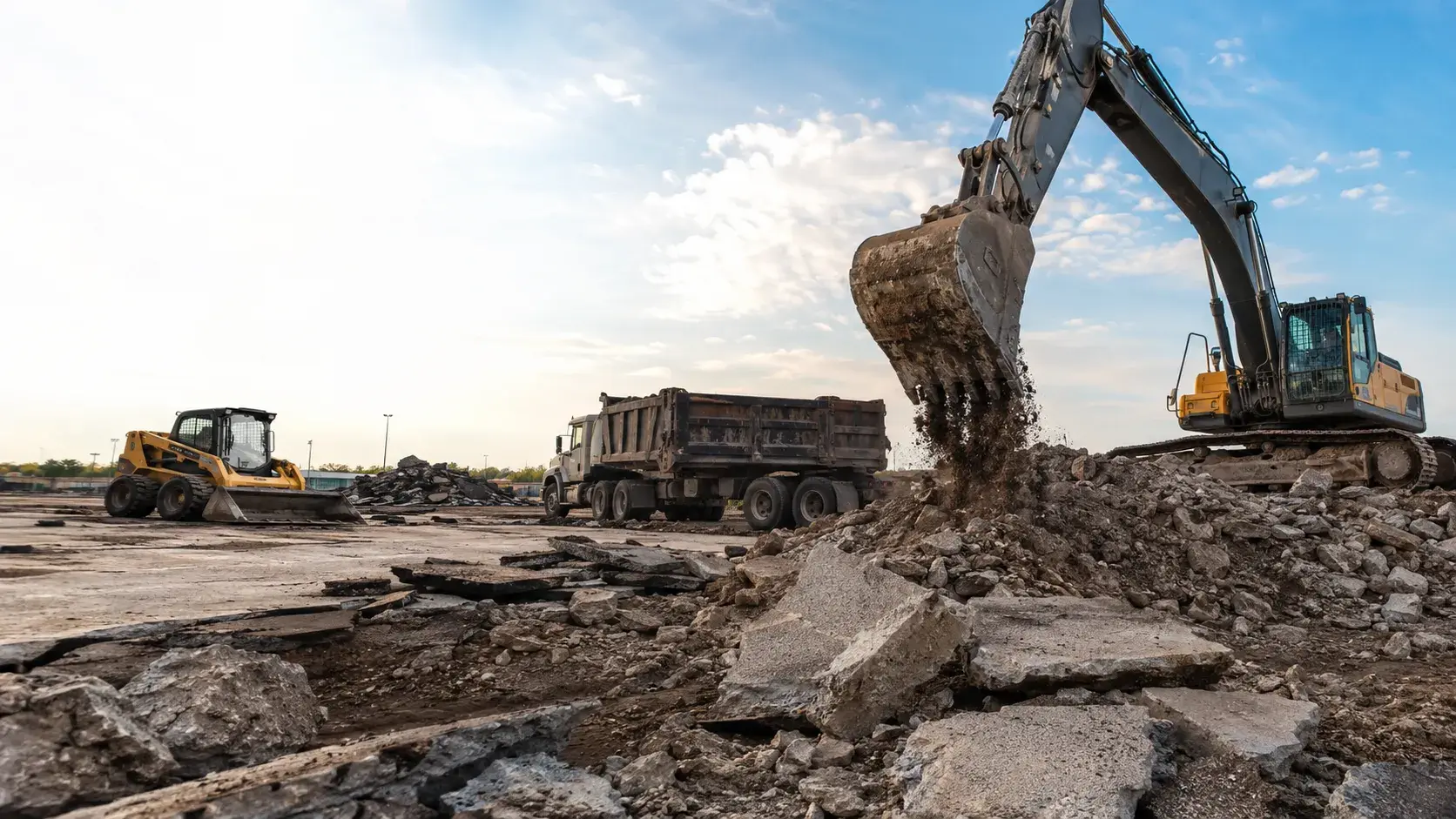
Concrete and Asphalt Removal in Ottawa is the breaking, removal, and disposal of slabs, pavement, and hardscape to clear a site.
Tell us what you need and we’ll get you a quote.
Licensed, insured & WSIB-covered · Free, no-obligation quote & on-site assessment.
Built to your engineered drawings, survey, and the real site conditions, not a one-size-fits-all approach forced to fit.
Durable materials and methods chosen for the load, traffic, and environment on site.
Send specs, drawings, or photos and get a free, no-obligation site visit and estimate with no guesswork.
Installation and site work completed in accordance with Ontario requirements.
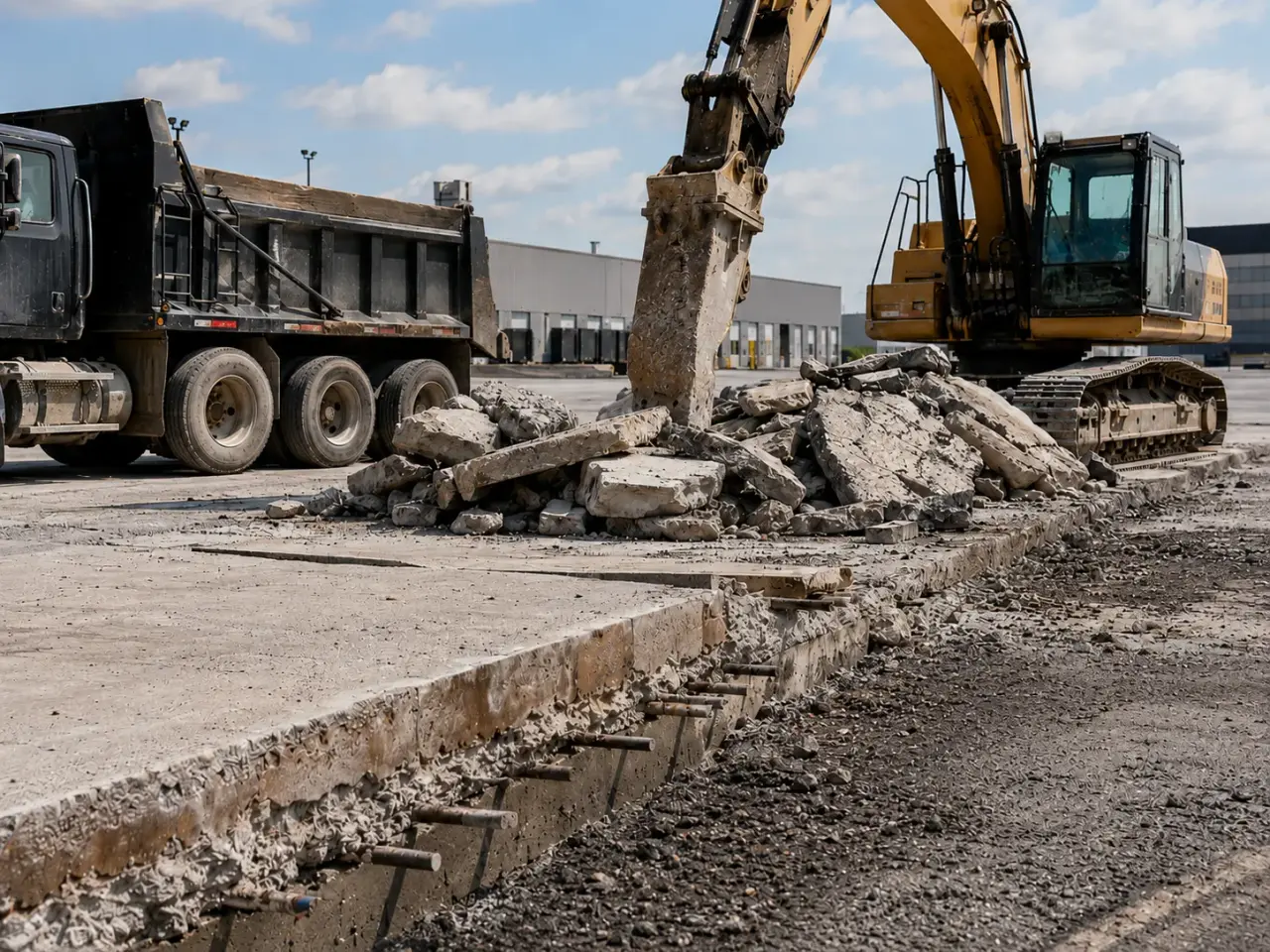
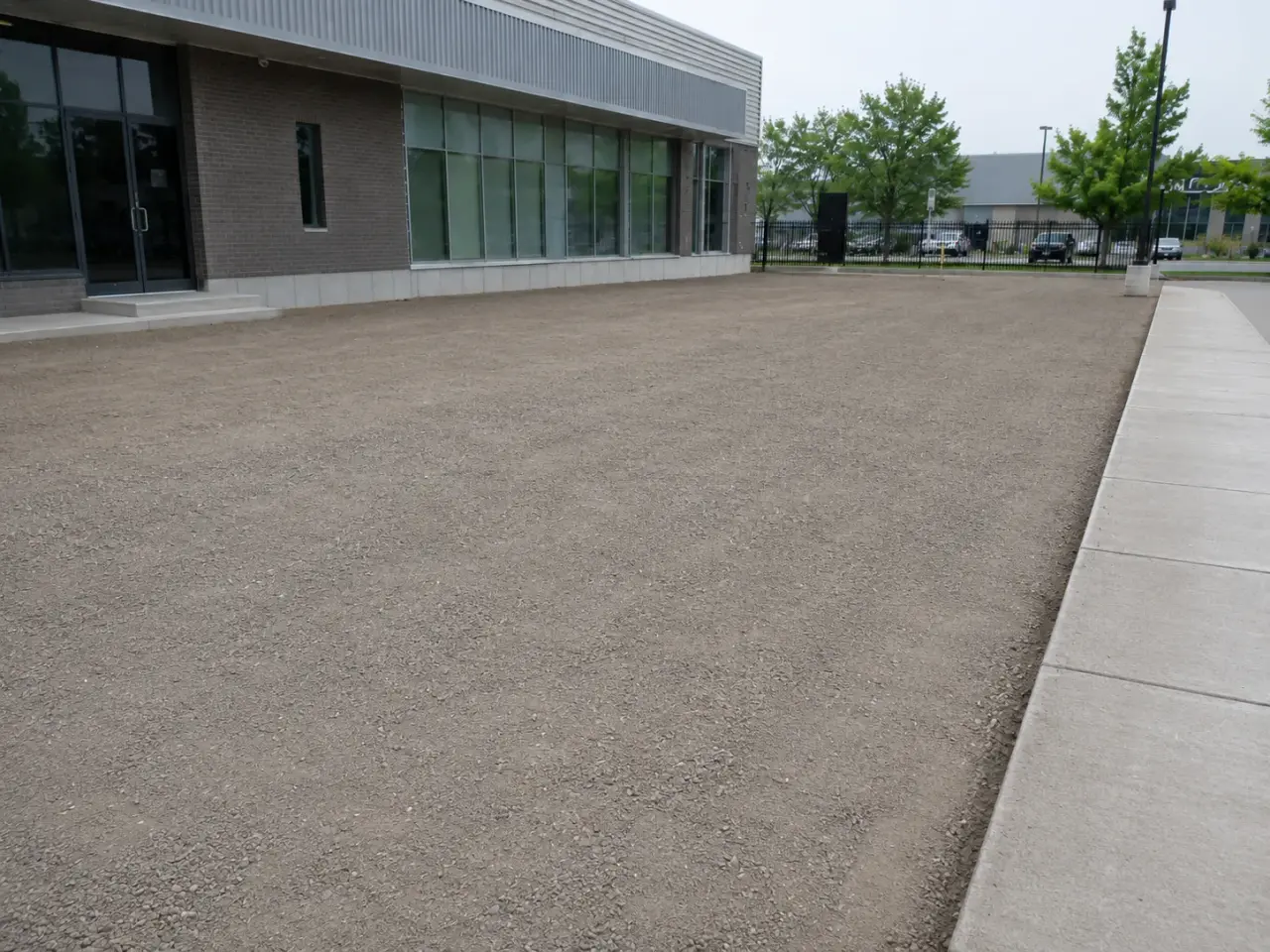
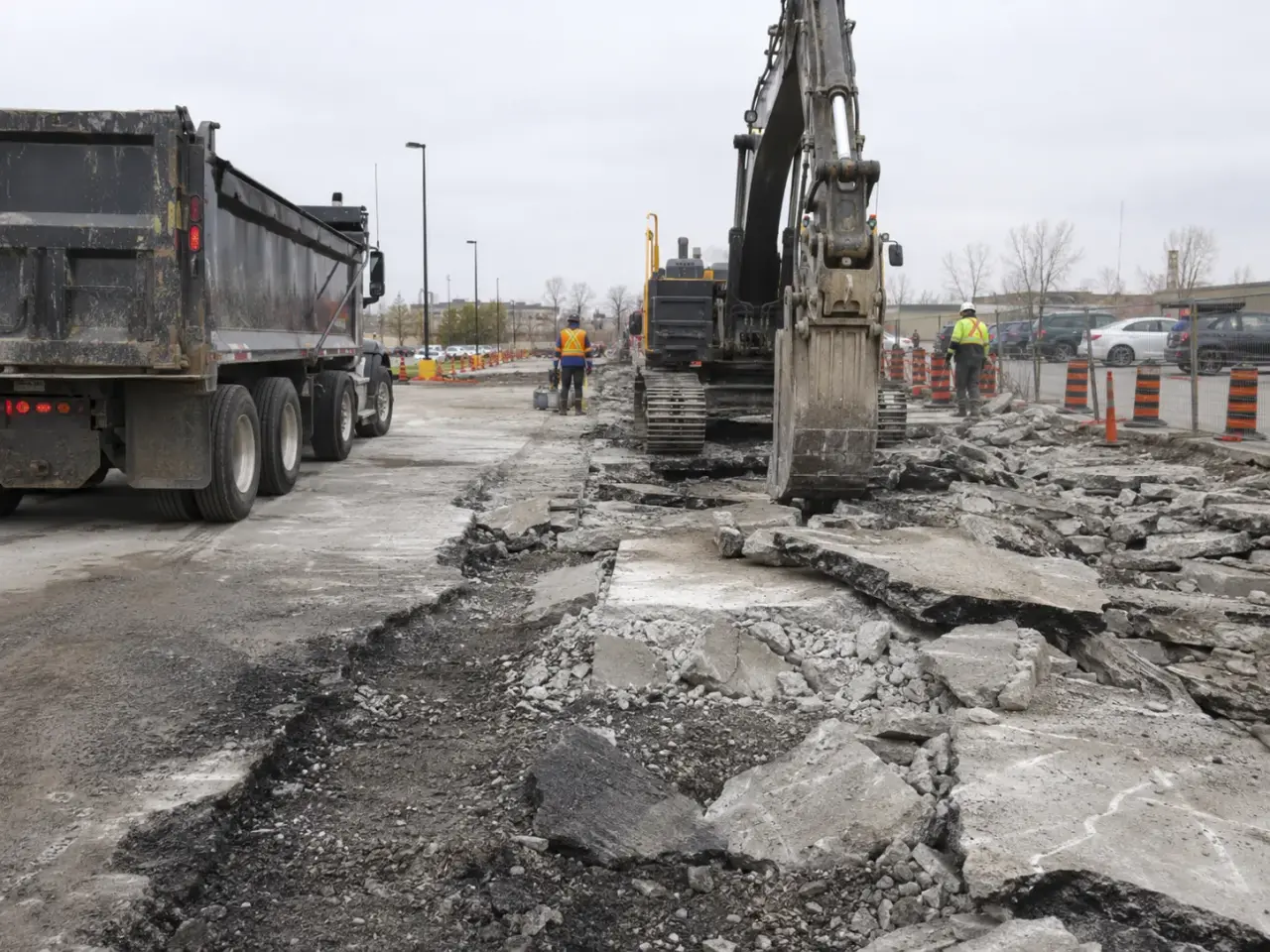
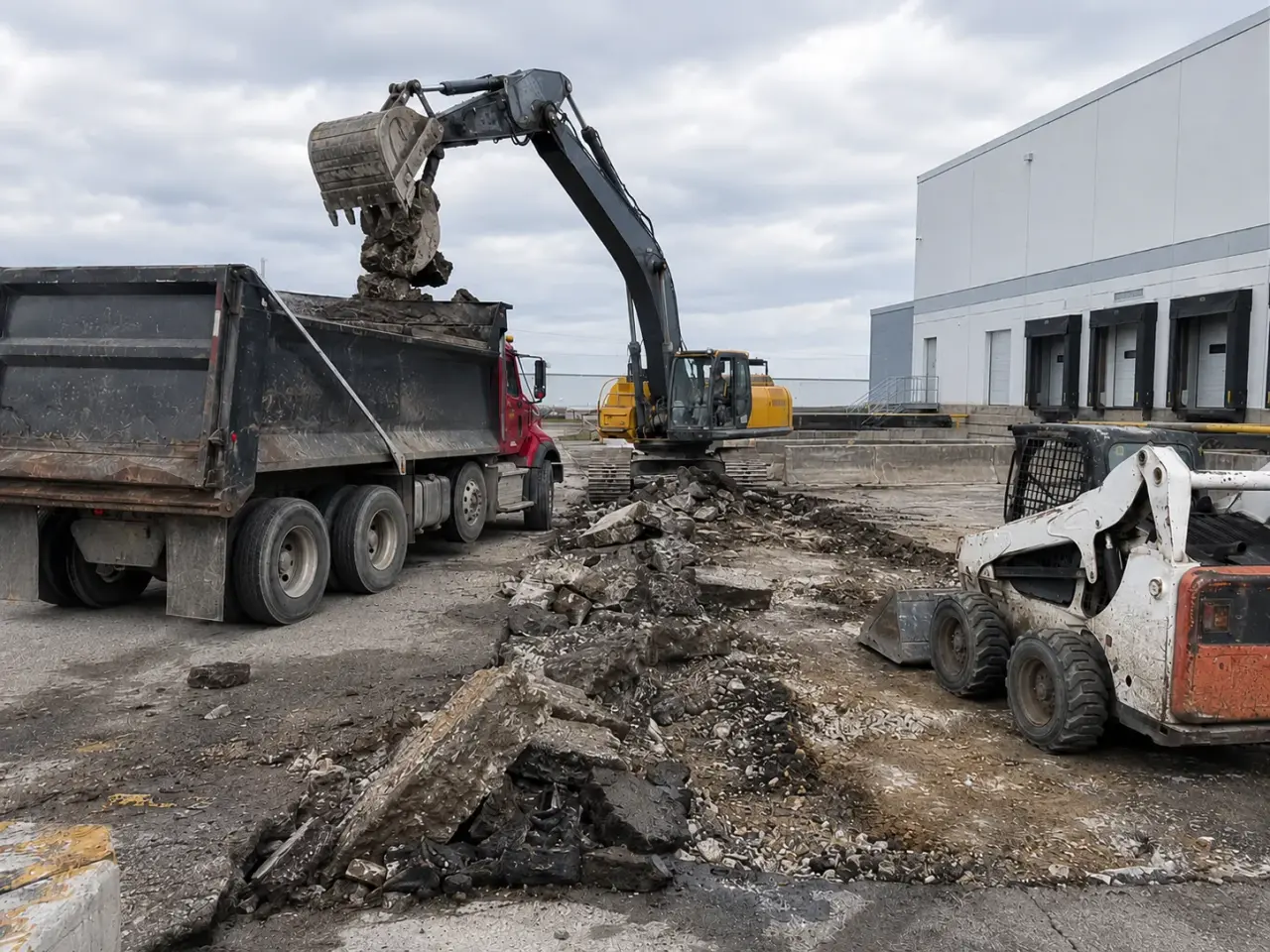
Cold milling removes asphalt to a controlled depth and profile over larger areas. Sawcutting creates clean limits around patches, trenches, structures, and retained pavement. Breakers and excavators remove full-depth asphalt, concrete slabs, curbs, foundations, and reinforced sections. Slab sawing, wire sawing, coring, lifting, and robotic removal reduce vibration or protect adjacent work. The method follows thickness, reinforcement, base condition, utilities, access, dust, noise, and the rebuilding geometry.
Step 1,
Step 2, Preconstruction starts with drawings, cores or test pits where needed, drainage elevations, public and private utility information, and a site walk. Ontario One Call receives the locate request for public infrastructure, and work waits for all notified members to respond. Private electrical feeds, lighting, site drainage, process services, and communications within the property also require field identification because they are not necessarily covered by the public locate package. We compare markings with paperwork and maintain valid locate information at the work face.
Step 3, Traffic staging comes next. We establish barriers, pedestrian routing, truck entry and exit, temporary plates or ramps where specified, and access windows for deliveries, emergency routes, docks, and tenant operations. Catch basins are protected from slurry and loose aggregate. Water for dust control is applied deliberately so it does not carry sediment into the drainage system.
Step 4, For asphalt, a cold planer removes a controlled thickness over broad, accessible areas. Full-depth pavement is saw-cut at tie-in limits, ripped or broken with an excavator attachment, loaded, and separated from excavated soil. Milling around castings, curbs, trench edges, and structures is finished with smaller equipment and hand-controlled tools. Vertical faces are kept intact for a durable joint. Where the surface will remain temporarily, edges are ramped or protected according to the traffic plan.
Step 5, Concrete is first cut into manageable panels. Slab thickness, reinforcing, dowels, nearby structures, and the lifting capacity of the excavator determine panel size. Hydraulic breakers fracture isolated slabs and thick pads, while saw cutting limits transmitted vibration and prevents breakout beyond the line. Reinforcing is cut after the panel is controlled. Curbs and sidewalks are separated at joints or saw-cut limits so adjacent units are not spalled by prying.
Step 6, Once hard material is removed, we excavate failed granular or unsuitable subgrade only to the approved depth. The formation is trimmed to line and grade, protected from rutting and precipitation, and reviewed for pumping, contamination, buried obstructions, or drainage failures. Concrete, reclaimed asphalt pavement, metal reinforcing, clean aggregate, soil, and suspect material stay in separate streams to preserve recycling and disposal options.
Planning concrete and asphalt removal in Ottawa? Talk it through with our team.
Milling is appropriate when a controlled surface thickness must be removed and the lower pavement remains suitable. Full-depth removal is required when cracking extends through the section, the base has failed, grades must change, or underground work is planned. Harrowgate uses drawings, cores, drainage, and observed condition to define the correct treatment limits.
We measure plan area and verify layer thickness using drawings, available cores, test pits, and exposed edges. The estimate distinguishes asphalt, concrete, reinforcing, granular base, soil, and unsuitable material because each has different production and destination costs. Actual quantities are tracked as work exposes variations that could not be seen from the surface.
Yes. Harrowgate phases lanes, maintains approved dock and emergency access, separates pedestrians from equipment, schedules noisy work and trucking, and installs temporary transitions or plates where specified. The workable phase size depends on traffic demand, safe equipment movement, drainage, utility crossings, and how quickly the exposed area can be reconstructed.
Harrowgate manages locate requirements for its excavation scope and confirms responses before breaking ground. Ontario One Call coordinates public infrastructure owner responses, while private services on the property require separate investigation. We retain the locate package at the work face, compare markings with paperwork, and expose critical crossings carefully before mechanical removal proceeds.
Reclaimed asphalt pavement, clean concrete, reinforcing steel, excavated soil, and suspect material are separated during loading. Asphalt and concrete can then move to suitable recycling facilities instead of becoming mixed demolition debris. Destination records and soil tracking are managed according to the project requirements and applicable Ontario excess-soil rules.
We saw-cut a clean boundary, break away from the retained edge, cut reinforcing before lifting panels, and limit heavy equipment on unsupported margins. Existing cracks and weak edges are recorded before work. If removal exposes deterioration beyond the planned limit, Harrowgate documents it for approval instead of burying a compromised joint beneath the new surface.
Work pauses at the affected area so the condition can be mapped, photographed, and reviewed with the civil, geotechnical, or environmental consultant. Soft material is not concealed under replacement aggregate. Suspect soil is segregated and managed using the approved sampling, tracking, reuse, or disposal process before the pavement structure is rebuilt.
Issued civil drawings, pavement cores, geotechnical reports, utility records, traffic constraints, permitted hours, restoration details, designated haul destinations, and known contamination information are most useful. Harrowgate also needs access dimensions, loading restrictions, required phasing, and the desired turnover grade. A site walk resolves constraints that plan measurements alone cannot show.
Milling suits controlled removal of defined asphalt layers where the underlying pavement or base remains suitable. Full-depth excavation is used where base failure, deep utility work, drainage change, severe distress, or complete pavement reconstruction requires access below the asphalt.
Often yes, when the material is sufficiently clean and separated from soil, reinforcing, coatings, regulated material, and waste. The project specifications and environmental condition determine whether it can be crushed, reused on site, or sent to an approved recycler.
Still have a question about concrete and asphalt removal in Ottawa? Ask our team directly.
Commercial and heavy-civil construction delivered for developers, contractors, property managers, and municipalities.
Send drawings, a site plan, or a description of the scope. Harrowgate Group is licensed, insured, and WSIB-covered.
Licensed, Insured & WSIB-Covered, work managed and documented on every job
Tell us what you need and we’ll get you a quote.
Harrowgate Group provides concrete and asphalt removal, delivered and installed with quote-ready support across Toronto and surrounding Ontario communities.
Companies We've Worked With
Harrowgate Group delivers commercial and heavy-civil construction for developers, contractors, institutions, municipalities, and property groups across Ontario.
 Popeyes
  Tim Hortons
  Subway
  University of Toronto
  Madison Group
  RioCan
  Women's College Hospital
  Starbucks
  Mazda
Mazda  TD Bank
  City of Toronto Popeyes Tim Hortons Subway University of Toronto Madison Group RioCan Women's College Hospital Starbucks Mazda TD Bank City of Toronto