Built to spec
Built to your engineered drawings, survey, and the real site conditions, not a one-size-fits-all approach forced to fit.
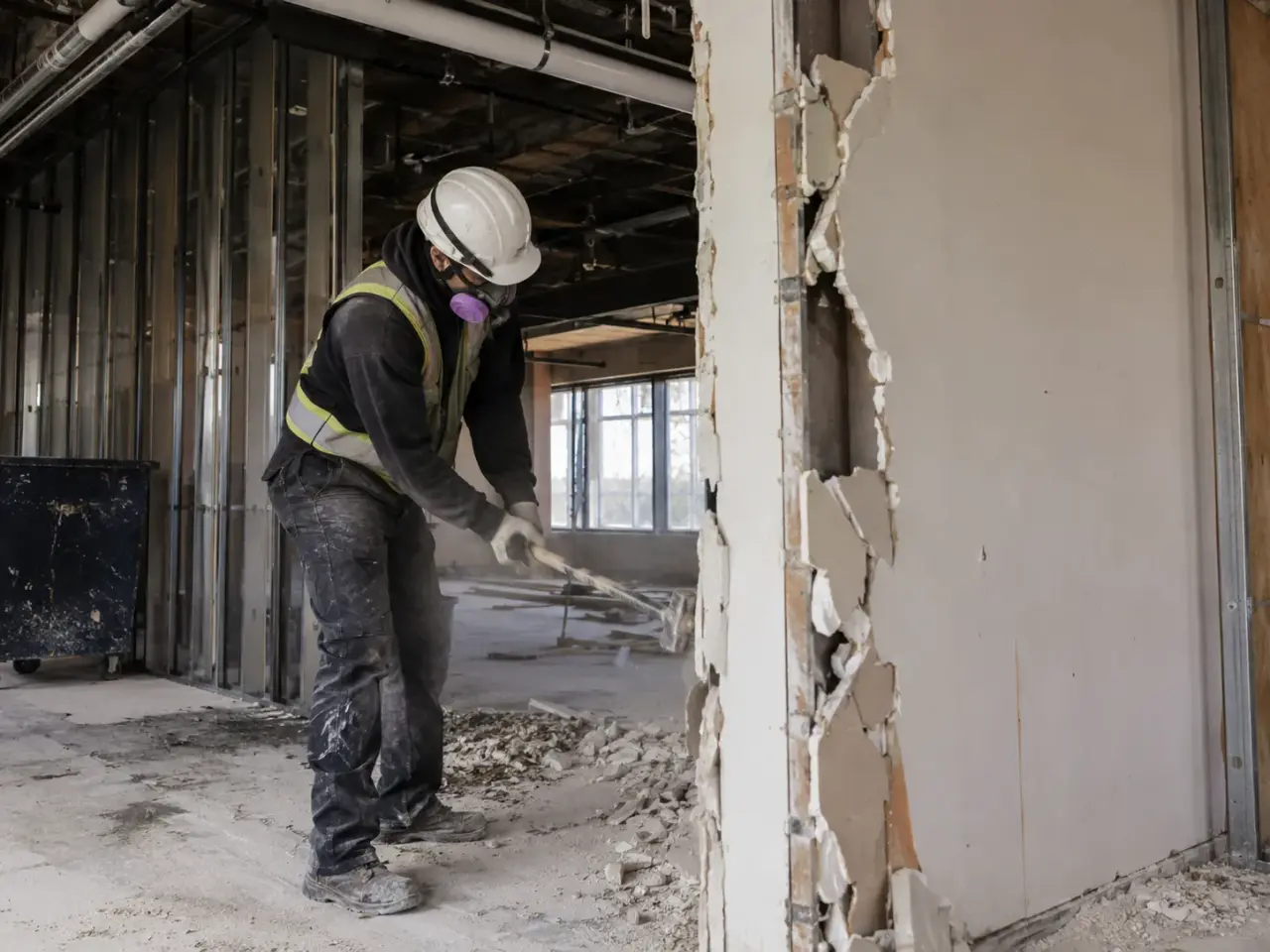
Selective Demolition in Niagara Falls is the precise, engineered removal of specific structural or non-structural elements while protecting the rest.
Tell us what you need and we’ll get you a quote.
Licensed, insured & WSIB-covered · Free, no-obligation quote & on-site assessment.
Built to your engineered drawings, survey, and the real site conditions, not a one-size-fits-all approach forced to fit.
Durable materials and methods chosen for the load, traffic, and environment on site.
Send specs, drawings, or photos and get a free, no-obligation site visit and estimate with no guesswork.
Installation and site work completed in accordance with Ontario requirements.
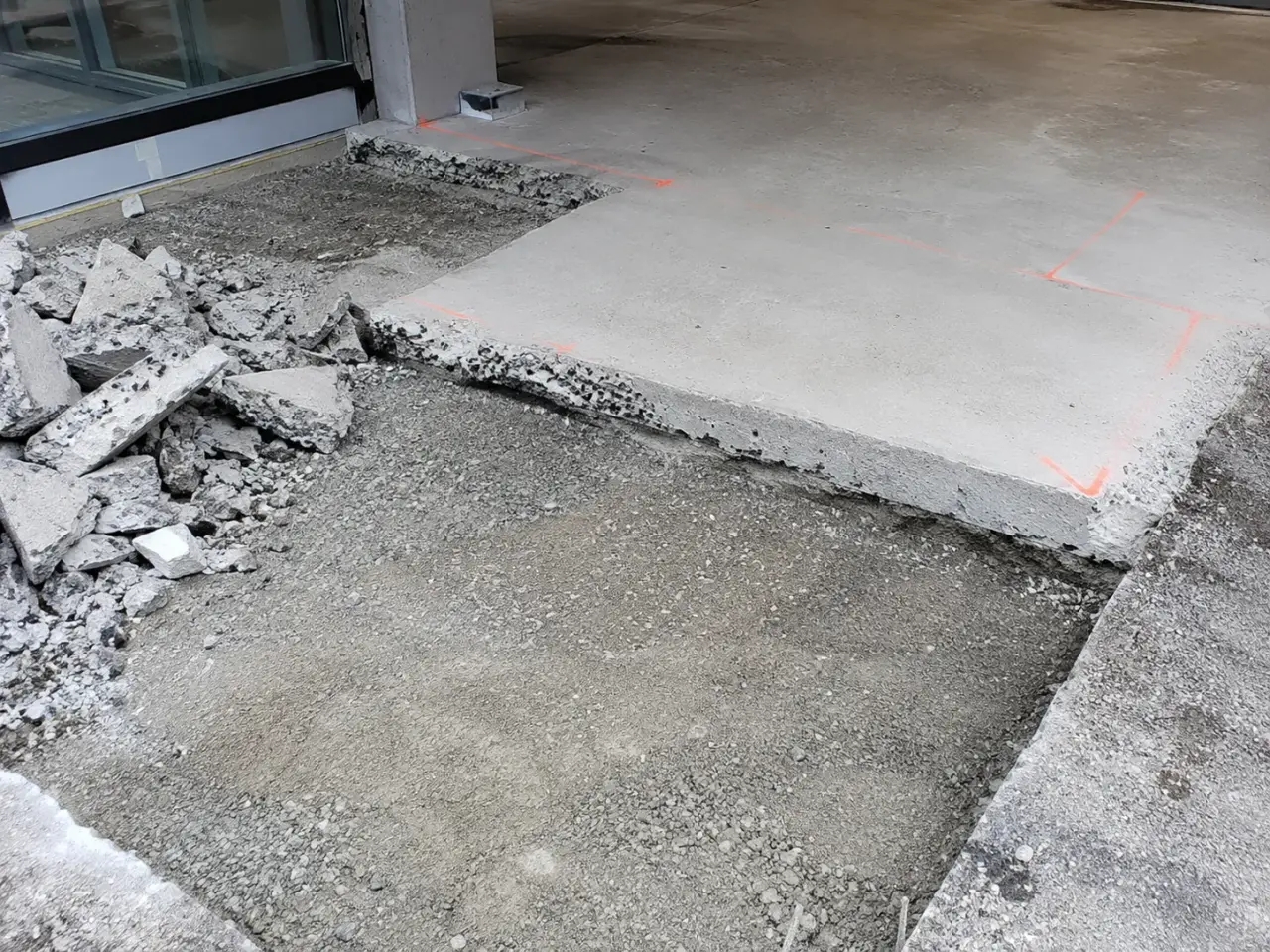
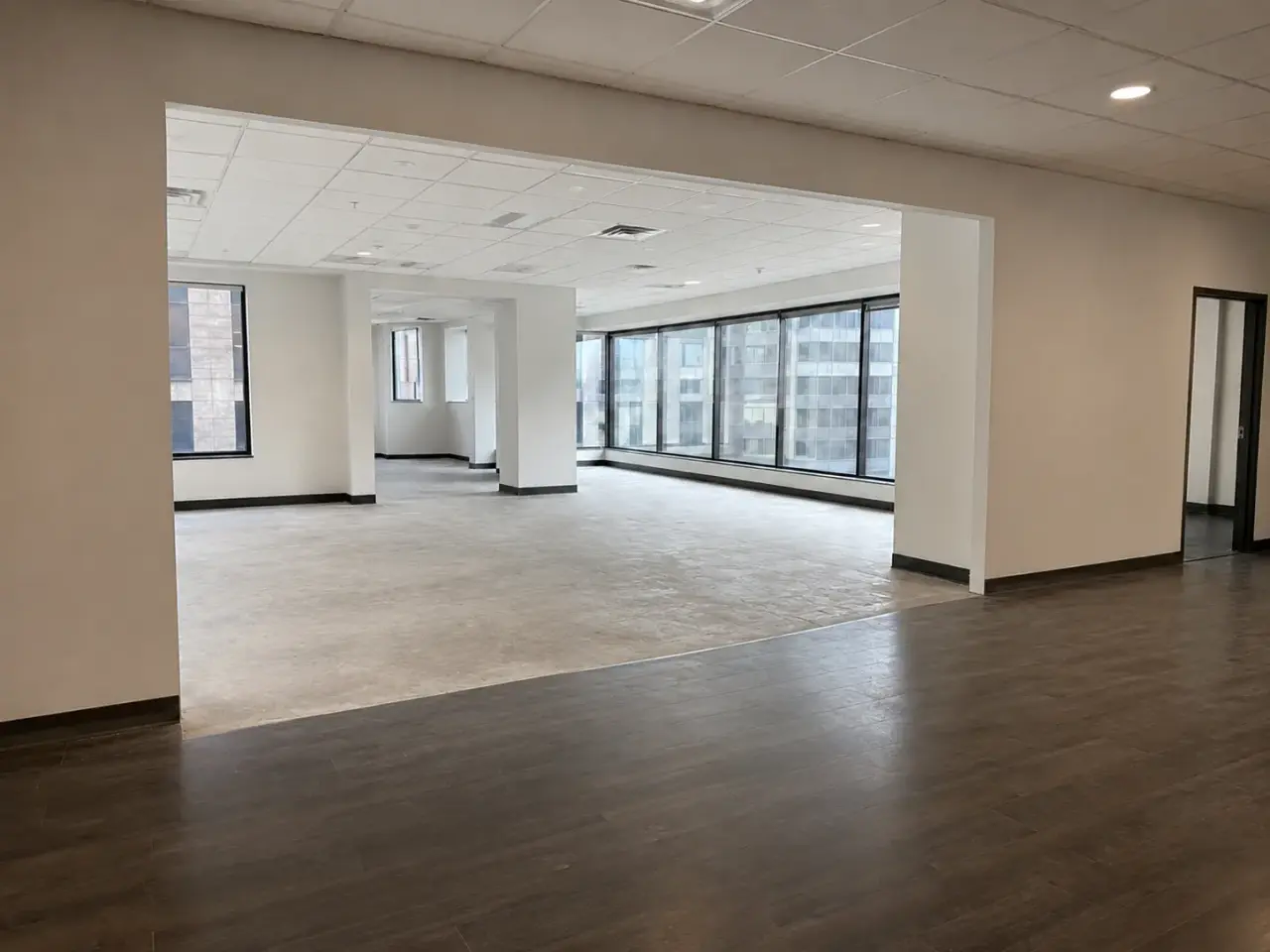
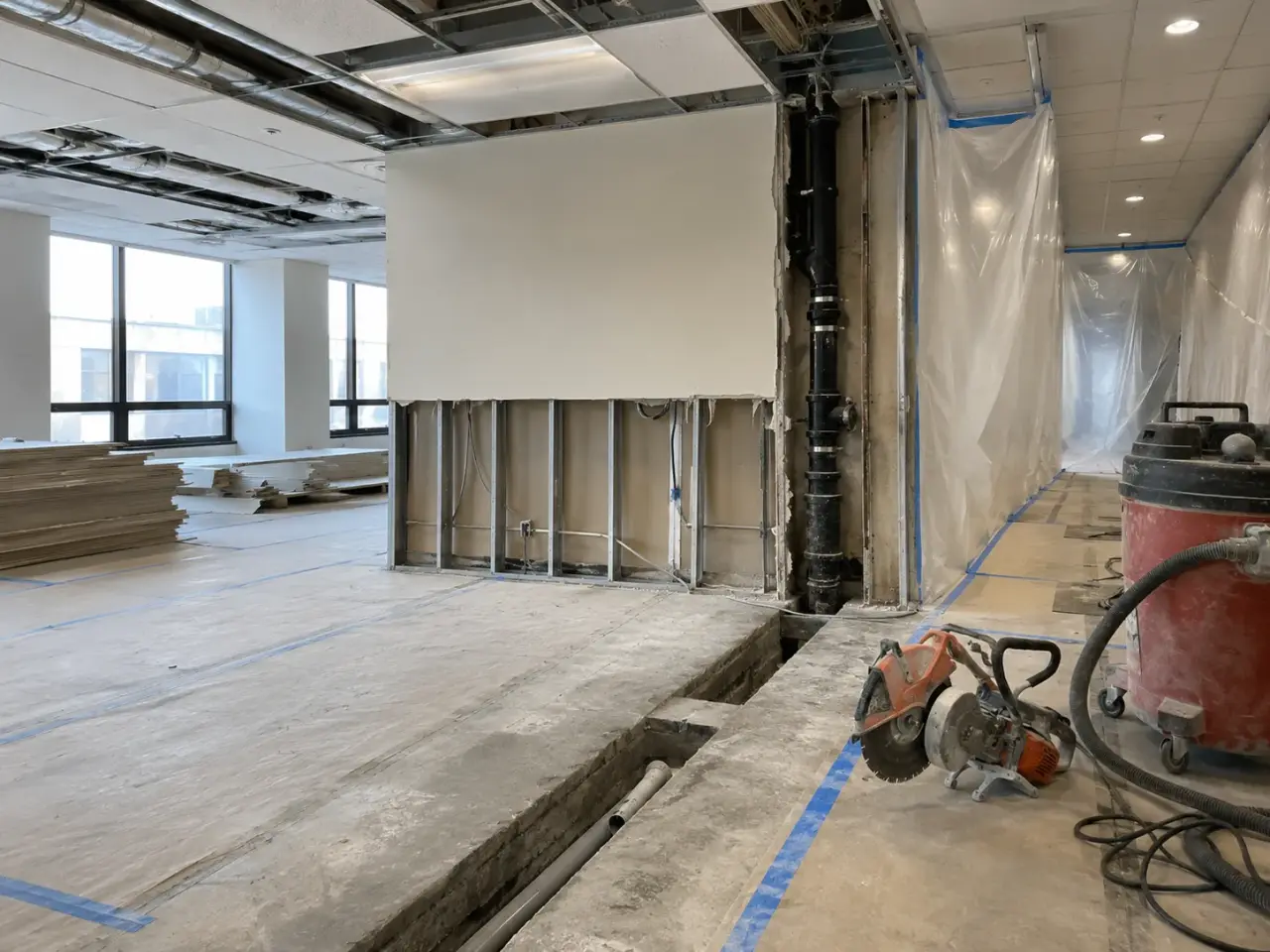
Hand dismantling preserves adjacent finishes and reveals concealed interfaces gradually. Sawcutting and wire sawing create accurate low-impact separation in concrete or masonry. Robotic breakers work in restricted or load-sensitive areas. Controlled lifting removes heavy sections without dropping debris on retained structure. Mechanical attachments increase production where exclusion and load capacity permit. The chosen combination follows retention limits, structure, vibration, dust, access, services, and the next construction detail.
Step 1,
Step 2, First, Harrowgate walks the area against the issued demolition documents and marks the limit of work. We verify ceiling plenums, wall cavities, slab penetrations, service risers, embedded conduits, post-tension or reinforcing information where applicable, and routes for carts, skid steers, bins, and lifting equipment.
Public utility locates are obtained where exterior breaking or excavation is involved, and private services are traced inside the property. Mechanical, electrical, fire protection, controls, communications, gas, and process lines are positively identified and isolated before their supporting construction is disturbed.
Step 3, Next, we install floor, wall, glazing, elevator, and equipment protection, plus rigid separation, negative-air arrangements, dust collection, and controlled access where the project requires them. We establish debris routes that do not cross clean production or public circulation without protection. In active plants, we coordinate lockout, shutdown windows, hot-work controls, overhead work, and lift paths with facility representatives. Noise and vibration-intensive work is assigned to approved windows.
Step 4, Dismantling generally proceeds in reverse order of construction. Fixtures and reusable items come out first, then finishes, ceilings, non-loadbearing walls, services confirmed dead, and finally structural or slab elements specifically released for removal. Hand tools, reciprocating saws, track saws, concrete saws, electric breakers, compact excavators, skid steers, material lifts, and rigging are selected according to the assembly and the exposure around it. Saw cutting defines a clean boundary and limits breakout damage. Small bites and supported lifts prevent uncontrolled collapse or load transfer.
Step 5, As surfaces open, we compare actual conditions with the documents. Unrecorded services, concealed fireproofing, unexpected reinforcing, corrosion, and deteriorated substrates are photographed and escalated before the next cut. At completion we remove fasteners and projections, make the area safe, segregate recyclable metals and clean mineral debris, and provide a swept, accessible work face for layout, scanning, remediation, or new construction.
Planning selective demolition in Niagara Falls? Talk it through with our team.
A complete quote identifies the removal limits, retained-work protection, service isolation assumptions, temporary support, equipment and access, debris handling, disposal, dust controls, working hours, and turnover condition. Harrowgate also lists required owner information, such as designated-substance reports, structural details, shutdown approvals, and any salvage items that require special handling.
Yes. Harrowgate phases work around approved access and shutdown windows, builds separation from occupied areas, controls dust and noise at source, protects air pathways and circulation routes, and removes debris through a defined route. The plan is coordinated with facility operations, life-safety requirements, security, and the construction schedule before intrusive work begins.
We review records, trace systems in the field, scan where appropriate, make test openings, and obtain positive confirmation of isolation before removing supports or surrounding construction. Services are disconnected, drained, capped, locked out, or protected according to the approved plan. Unidentified lines trigger a hold point, not an assumption based on appearance.
Yes, when salvage is identified in the contract scope. We label items, document condition, disconnect them using the planned sequence, and move them to the designated on-site handover or storage location. Salvage requires more time than waste removal because fasteners, finishes, wiring, rigging points, and packing must be handled without destructive shortcuts.
An interior strip-out usually removes most finishes and systems within a defined suite or floor. Selective demolition can be much narrower or more structural, such as one wall opening, part of a slab, a machine base, or a roof curb. Its defining requirement is precision at the interface between removed and retained construction.
We first reduce uncertainty through drawings, surveys, scanning, and agreed test openings. The quotation then states what is included and identifies assumptions for concealed construction, inaccessible services, hazardous material, and structural support. If an undocumented condition appears, we record it at a hold point so the project team can decide before additional work changes the scope.
Harrowgate removes loose debris, projections, and identified abandoned components, segregates waste streams, and leaves the area safe and accessible for review. The exact turnover can include saw-cut edges, capped services, exposed substrates, temporary protection, survey information, and photographs. Acceptance criteria are defined before work so the next construction activity can start efficiently.
Limits are transferred from issued drawings to field marks and checked against structure, services, finishes, and probes. Sawcuts, dismantling lines, support, and piece sizes are reviewed before removal, with hold points at concealed interfaces.
Work stops at a safe boundary, the item is protected and documented, and the responsible designer or owner determines whether it is retained, isolated, rerouted, supported, or added to the removal scope.
Still have a question about selective demolition in Niagara Falls? Ask our team directly.
Commercial and heavy-civil construction delivered for developers, contractors, property managers, and municipalities.
Send drawings, a site plan, or a description of the scope. Harrowgate Group is licensed, insured, and WSIB-covered.
Licensed, Insured & WSIB-Covered, work managed and documented on every job
Tell us what you need and we’ll get you a quote.
Harrowgate Group provides selective demolition, delivered and installed with quote-ready support across Toronto and surrounding Ontario communities.
Companies We've Worked With
Harrowgate Group delivers commercial and heavy-civil construction for developers, contractors, institutions, municipalities, and property groups across Ontario.
 Popeyes
  Tim Hortons
  Subway
  University of Toronto
  Madison Group
  RioCan
  Women's College Hospital
  Starbucks
  Mazda
Mazda  TD Bank
  City of Toronto Popeyes Tim Hortons Subway University of Toronto Madison Group RioCan Women's College Hospital Starbucks Mazda TD Bank City of Toronto