Built to spec
Built to your engineered drawings, survey, and the real site conditions, not a one-size-fits-all approach forced to fit.
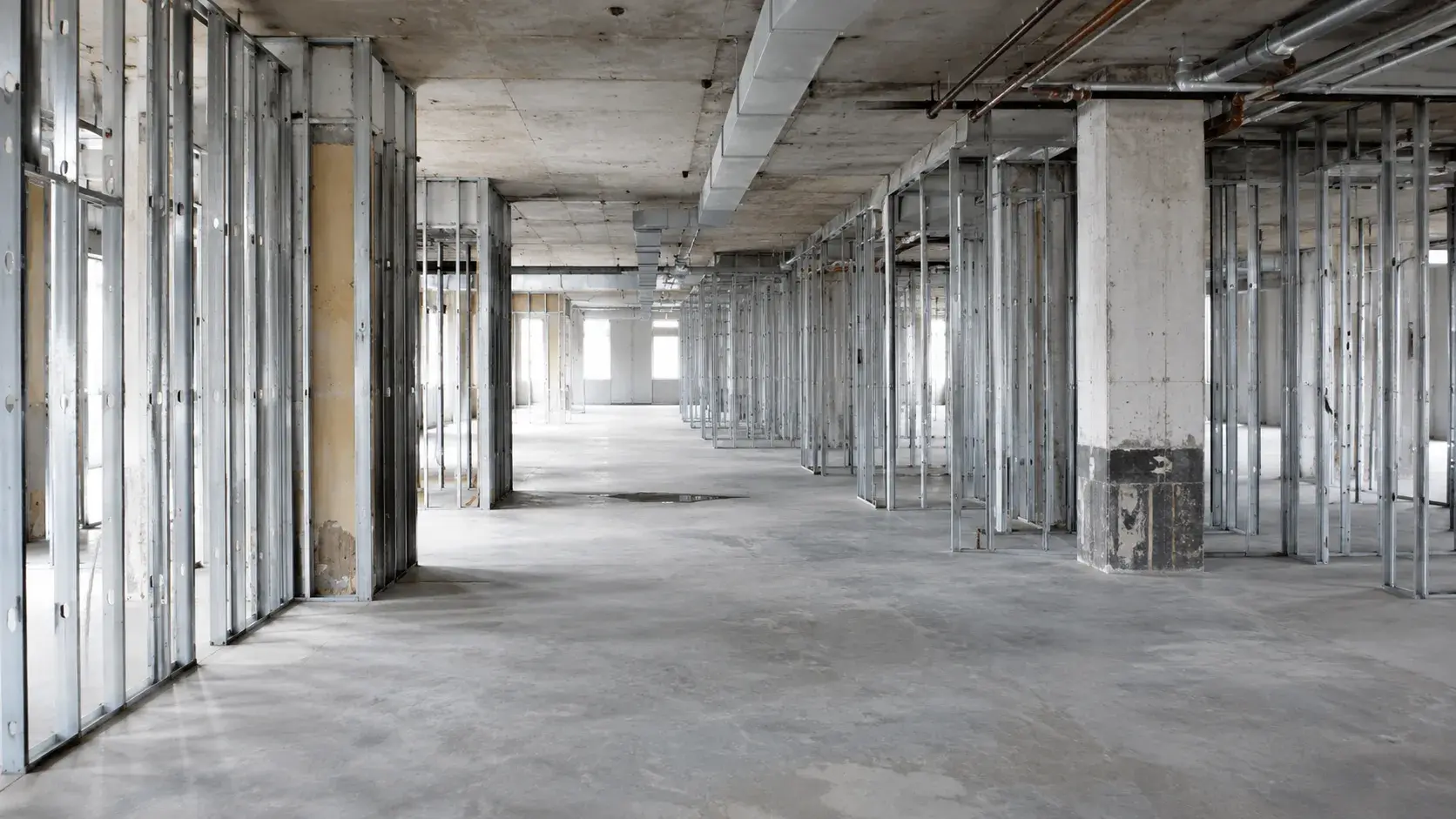
Mould Remediation in Etobicoke is the containment, removal, and correction of mould and moisture problems in commercial and institutional buildings.
Tell us what you need and we’ll get you a quote.
Licensed, insured & WSIB-covered · Free, no-obligation quote & on-site assessment.
Built to your engineered drawings, survey, and the real site conditions, not a one-size-fits-all approach forced to fit.
Durable materials and methods chosen for the load, traffic, and environment on site.
Send specs, drawings, or photos and get a free, no-obligation site visit and estimate with no guesswork.
Installation and site work completed in accordance with Ontario requirements.
Commercial mould remediation removes contaminated porous materials, cleans salvageable assemblies, controls airborne spread, and corrects the moisture condition that caused growth. Harrowgate performs the work across the GTA using scoped containment, negative air, HEPA cleaning, controlled demolition, drying, verification, and durable building repairs suited to occupied and operating facilities.
Small localized growth on cleanable non-porous material can sometimes be addressed with controlled cleaning after the moisture source is corrected. Porous gypsum, insulation, ceiling tile, and heavily colonized materials generally require controlled removal. Semi-porous wood and concrete are assessed for surface cleaning, abrasion, or removal from condition and depth. Containment, negative air, HEPA filtration, dust suppression, and personal protection scale with affected area, occupancy, HVAC interaction, and the accepted remediation plan.
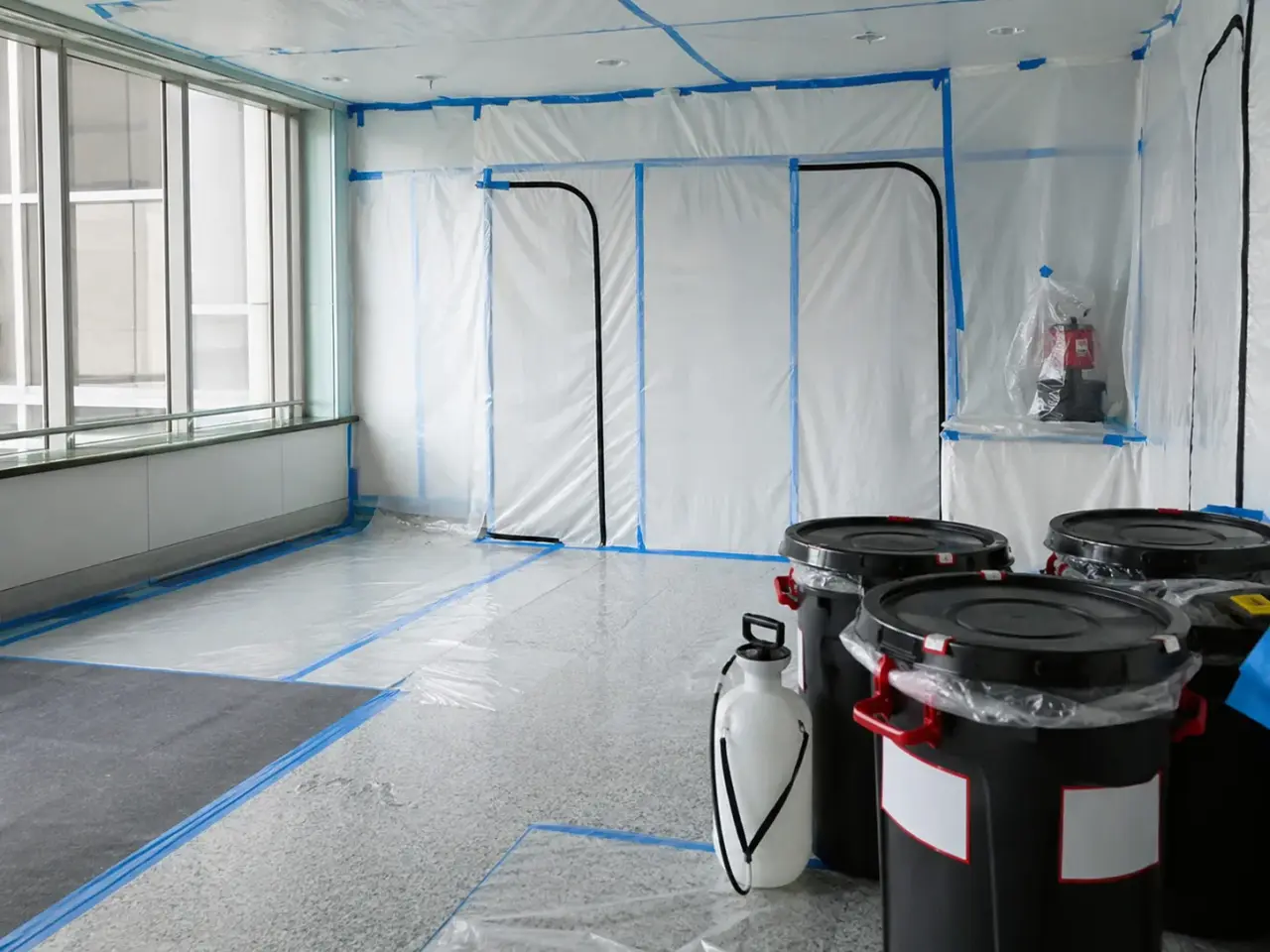
Step 1, We start with moisture mapping and a source investigation, not indiscriminate sampling. Infrared scanning, pin and pinless moisture meters, borescope inspection, drawings, roof or wall review, and selective openings establish the wet boundary and likely path. The remediation limit includes visible growth, water-damaged porous material, and concealed cavities affected by the same event. Clean reference areas and material moisture targets are recorded.
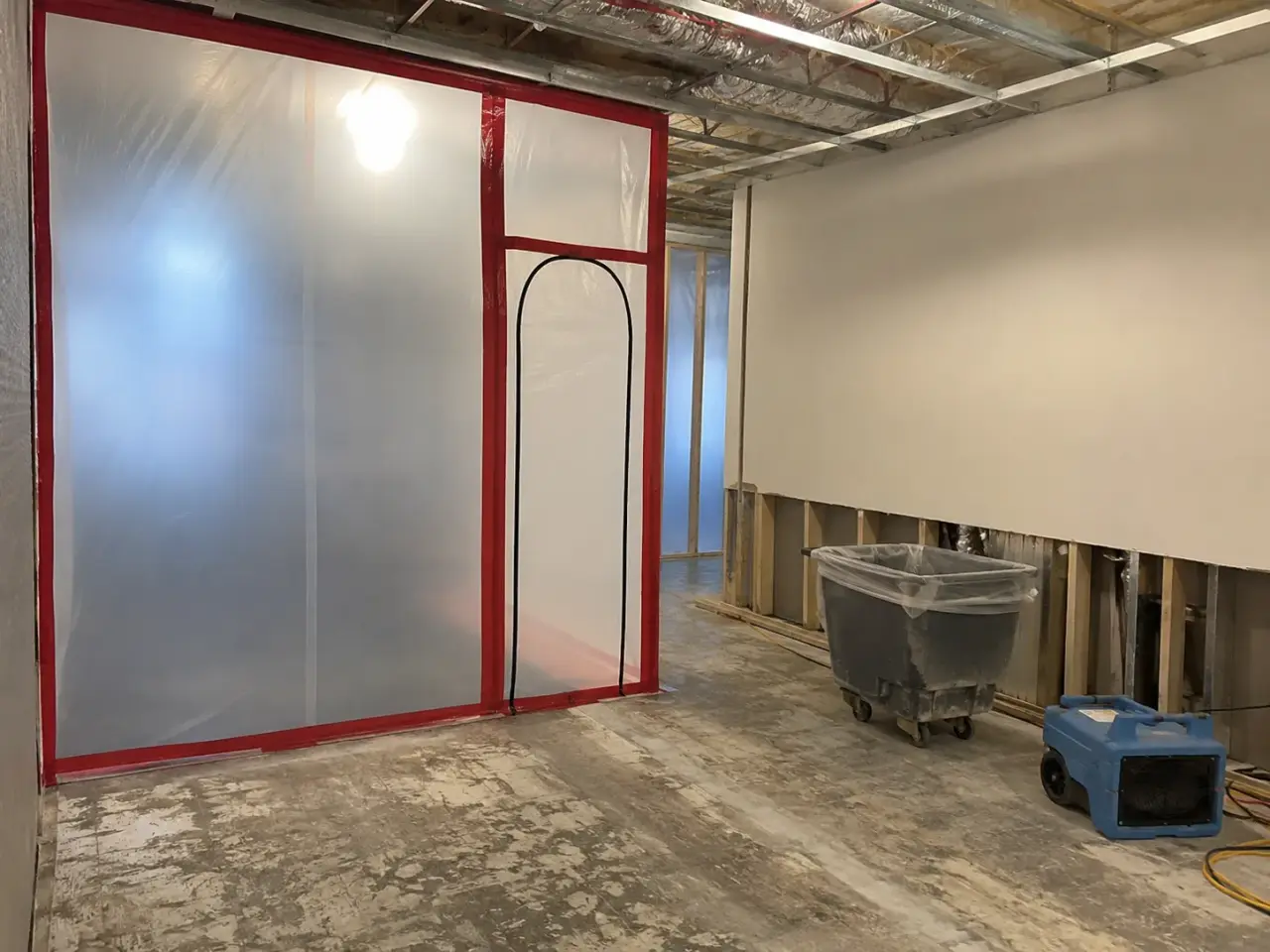
Step 2, Containment is sized to the contamination and occupancy risk. Critical barriers isolate openings, return-air paths, ceiling plenums, and penetrations. HEPA-filtered negative-air machines maintain inward airflow, while pressure and filter condition are checked during work. A clean entry, worker decontamination sequence, and sealed waste route prevent contaminated dust from crossing into occupied or previously cleaned spaces.
Step 3, Porous materials such as gypsum board, ceiling tile, insulation, and badly deteriorated wood products are cut out beyond the affected edge and bagged at the point of removal. Semi-porous framing is wire-brushed, scraped, sanded, or media-cleaned only where the substrate can be restored without damaging structure. Non-porous metal, concrete, and durable finishes are HEPA vacuumed and damp cleaned with a compatible agent.
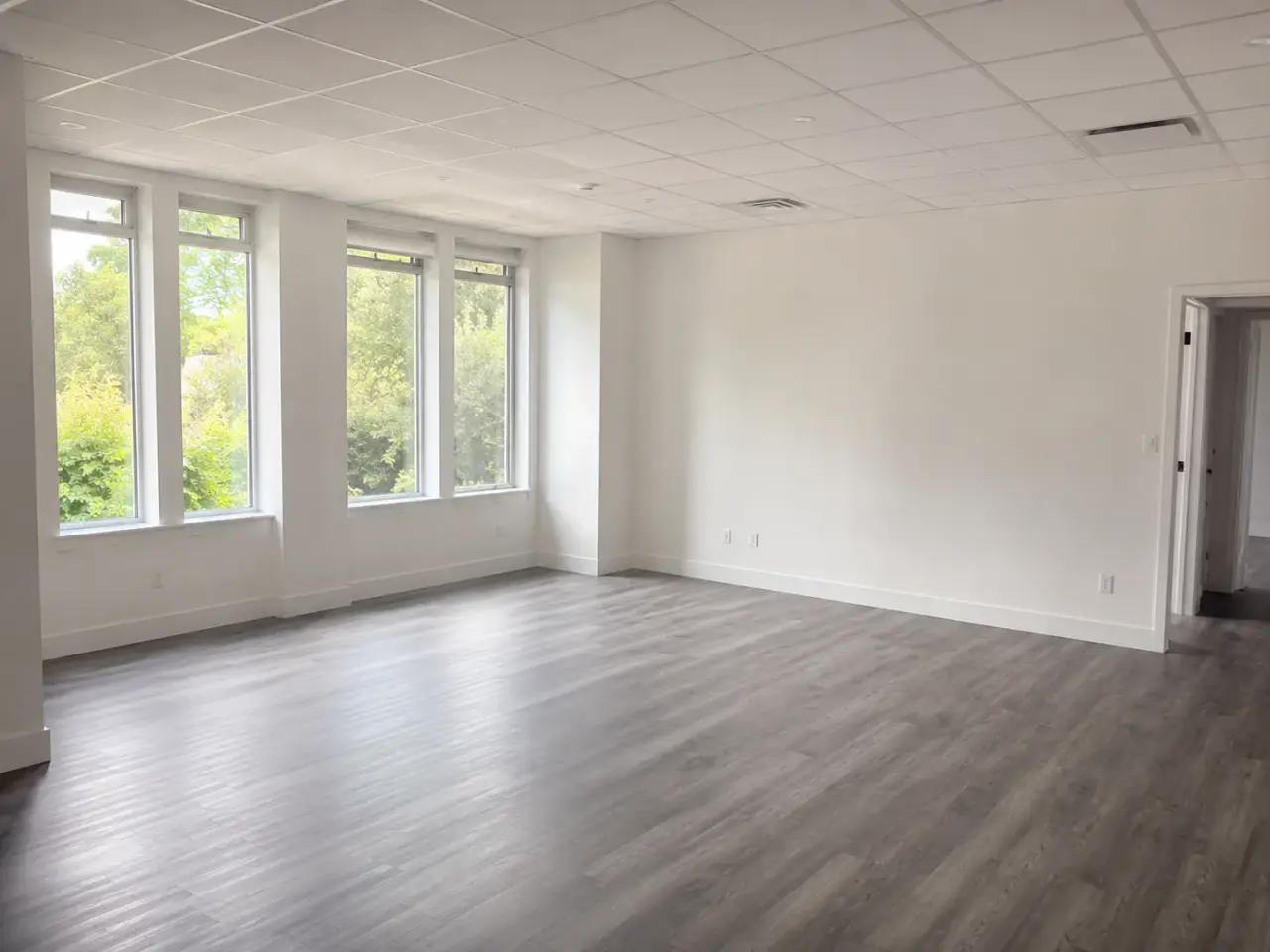
Step 4, Drying follows removal. Air movers and dehumidifiers are arranged to draw moisture out without pushing contamination beyond control. Cavities remain open until moisture readings are stable and the source repair has been tested. Final cleaning proceeds high to low, followed by visual inspection and any consultant-directed verification. Reinstatement uses assemblies that restore fire, acoustic, vapour, air, and drainage functions.
Step 5, Harrowgate closes the affected zone after removal, retained-surface cleaning, drying, source correction, waste removal, final housekeeping, and the specified post-remediation verification support reconstruction.
Planning mould remediation in Etobicoke? Talk it through with our team.
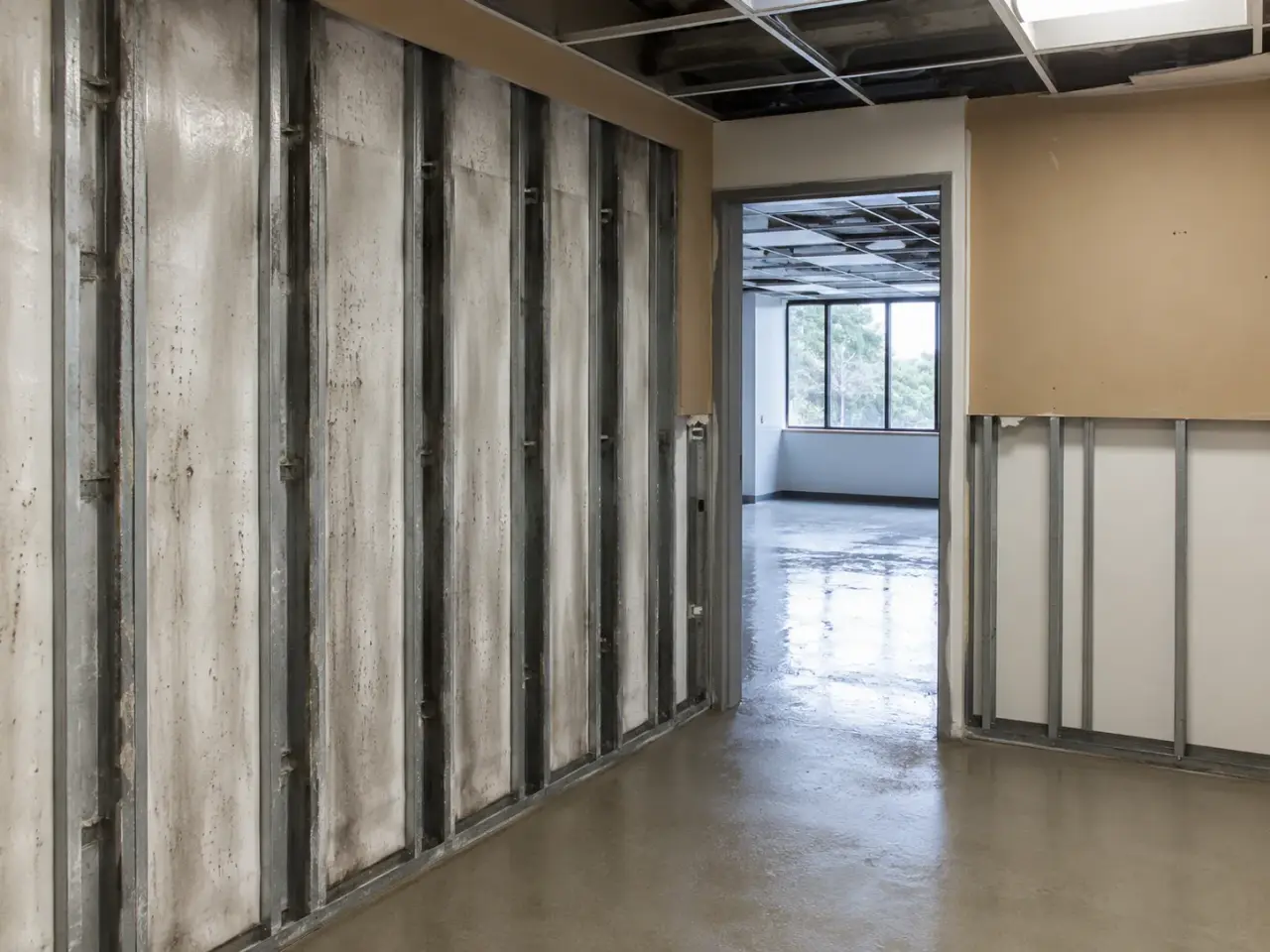
Completed on site to the engineered drawings, coordinated with concrete, servicing, and the surrounding work, then a clean, documented finish.
Mould growth requires persistent moisture. Commercial causes include roof leaks, failed wall joints, plumbing releases, wet insulation, foundation seepage, blocked drains, cold-surface condensation, uncontrolled humidity, and incomplete drying after a flood. Harrowgate locates the water path and affected assembly so remediation corrects the cause rather than only cleaning visible growth.
No. Porous materials that cannot be fully cleaned, such as contaminated gypsum board, ceiling tile, and insulation, are normally removed. Sound structural wood, concrete, metal, and other durable surfaces can often be retained after mechanical cleaning, HEPA vacuuming, damp wiping, and drying. The project protocol and substrate condition determine the decision.
We isolate the work with sealed barriers, protect HVAC openings, maintain inward airflow with HEPA-filtered negative-air units, and establish controlled entry and waste routes. Materials are cut carefully and bagged inside containment. HEPA-equipped tools, progressive cleaning, pressure checks, and final high-to-low cleaning keep contaminated dust inside the defined work zone.
Not always. Visible growth and water-damaged materials can often be scoped through inspection, moisture mapping, and selective openings. An occupational hygienist may specify air or surface sampling for complex, disputed, sensitive, or clearance-driven projects. Harrowgate follows the project protocol and keeps physical source removal, drying, and visual cleanliness as the core controls.
Acceptance depends on the material and a dry reference from an unaffected part of the same building. We record moisture readings over time and verify that the source repair is effective. Cavities are not closed while readings remain elevated, insulation is wet, or condensation conditions persist. Stable dry readings support the close-in decision.
Yes, when the contamination, access, and mechanical systems permit safe phasing. We use sealed work zones, negative air, protected access routes, scheduled noisy work, and defined handback points. The facility team coordinates occupant movement and HVAC operation while Harrowgate controls demolition, waste movement, cleaning, drying, and reconstruction within each phase.
Closeout should document the repaired moisture source, removed materials, cleaning method, drying readings, visual acceptance, consultant verification where specified, and reconstructed assemblies. Harrowgate also records concealed conditions and recommends access or maintenance measures for roofs, drains, sealants, plumbing, and humidity controls that could affect future building performance.
No. Non-porous and some semi-porous materials may be cleanable when their condition and the remediation plan support it. Heavily contaminated or water-damaged porous materials often require controlled removal because growth and residue can extend below the surface.
Mould growth depends on moisture. If leakage, condensation, humidity, flooding, or drainage remains uncontrolled, cleaned or replaced materials can become wet and support new growth. Source correction and drying protect the remediation result.
Still have a question about mould remediation in Etobicoke? Ask our team directly.
Commercial mould remediation removes contaminated porous materials, cleans salvageable assemblies, controls airborne spread, and corrects the moisture condition that caused growth. Harrowgate performs the work across the GTA using scoped containment, negative air, HEPA cleaning, controlled demolition, drying, verification, and durable building repairs suited to occupied and operating facilities.
Mould is a moisture problem expressed as a building-material problem. Roof and plumbing leaks, foundation seepage, wet insulation, condensation at cold surfaces, failed sealants, blocked drainage, high indoor humidity, and incomplete drying after a flood can all sustain growth. Cleaning the visible surface without addressing the water path leaves concealed reservoirs and causes repeat damage.
The Ontario Ministry of Labour identifies sustained or extensive visible mould on interior surfaces as unacceptable and directs employers to assess moisture causes, clean up, remediate contaminated materials, inspect periodically, and conduct preventive maintenance. Harrowgate turns that sequence into a construction scope that protects occupants, limits demolition, and restores the failed assembly.
Commercial and heavy-civil construction delivered for developers, contractors, property managers, and municipalities.
Send drawings, a site plan, or a description of the scope. Harrowgate Group is licensed, insured, and WSIB-covered.
Licensed, Insured & WSIB-Covered, work managed and documented on every job
Tell us what you need and we’ll get you a quote.
Harrowgate Group provides mould remediation, delivered and installed with quote-ready support across Toronto and surrounding Ontario communities.
Companies We've Worked With
Harrowgate Group delivers commercial and heavy-civil construction for developers, contractors, institutions, municipalities, and property groups across Ontario.
 Popeyes
  Tim Hortons
  Subway
  University of Toronto
  Madison Group
  RioCan
  Women's College Hospital
  Starbucks
  Mazda
Mazda  TD Bank
  City of Toronto Popeyes Tim Hortons Subway University of Toronto Madison Group RioCan Women's College Hospital Starbucks Mazda TD Bank City of Toronto