
Built to spec
Built to your engineered drawings, survey, and the real site conditions, not a one-size-fits-all approach forced to fit.
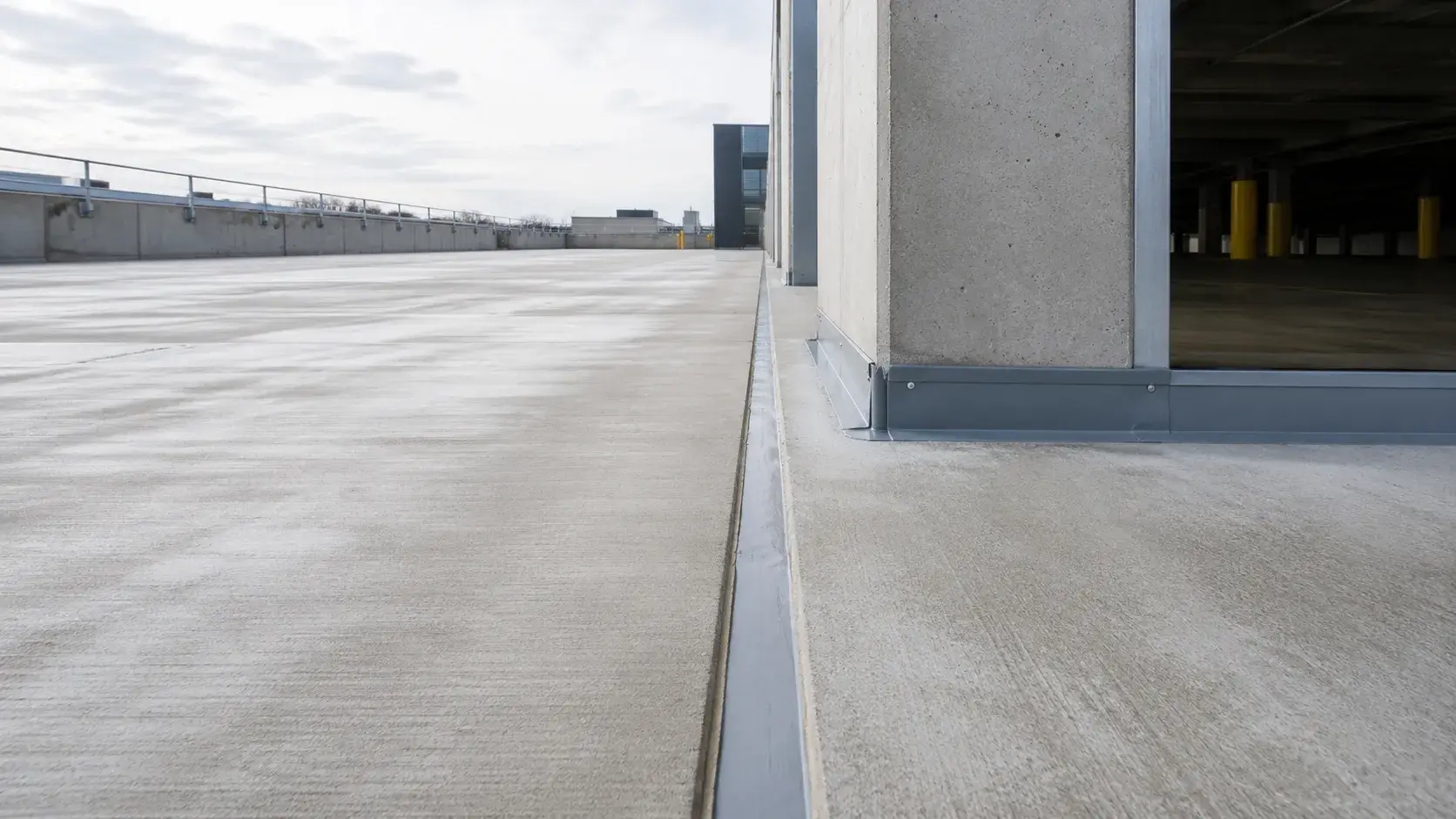
Joint Sealing in Oakville is the sealing of exterior, deck, and structural joints to keep water out and allow movement.
Tell us what you need and we’ll get you a quote.
Licensed, insured & WSIB-covered · Free, no-obligation quote & on-site assessment.
Built to your engineered drawings, survey, and the real site conditions, not a one-size-fits-all approach forced to fit.
Durable materials and methods chosen for the load, traffic, and environment on site.
Send specs, drawings, or photos and get a free, no-obligation site visit and estimate with no guesswork.
Installation and site work completed in accordance with Ontario requirements.
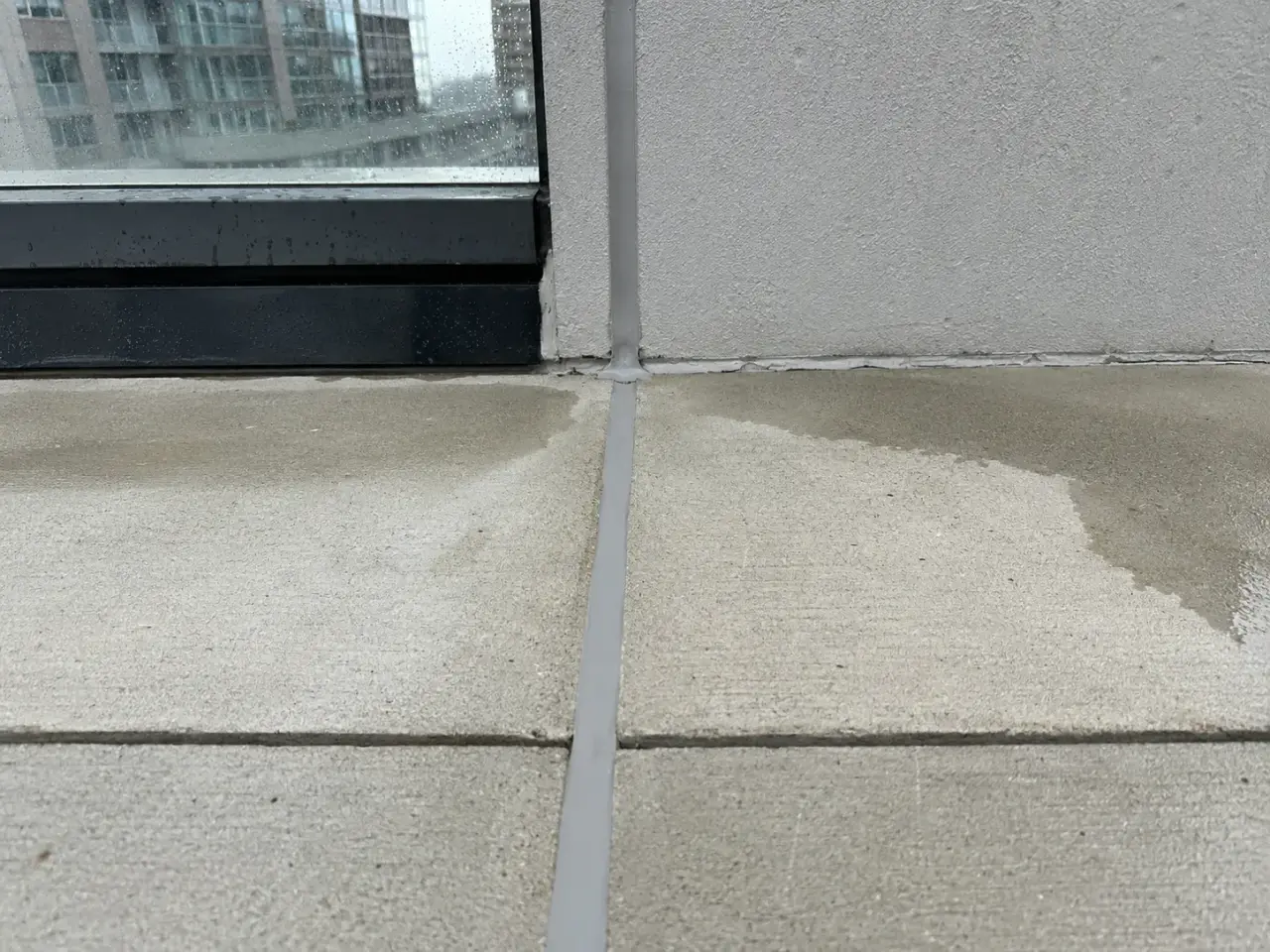
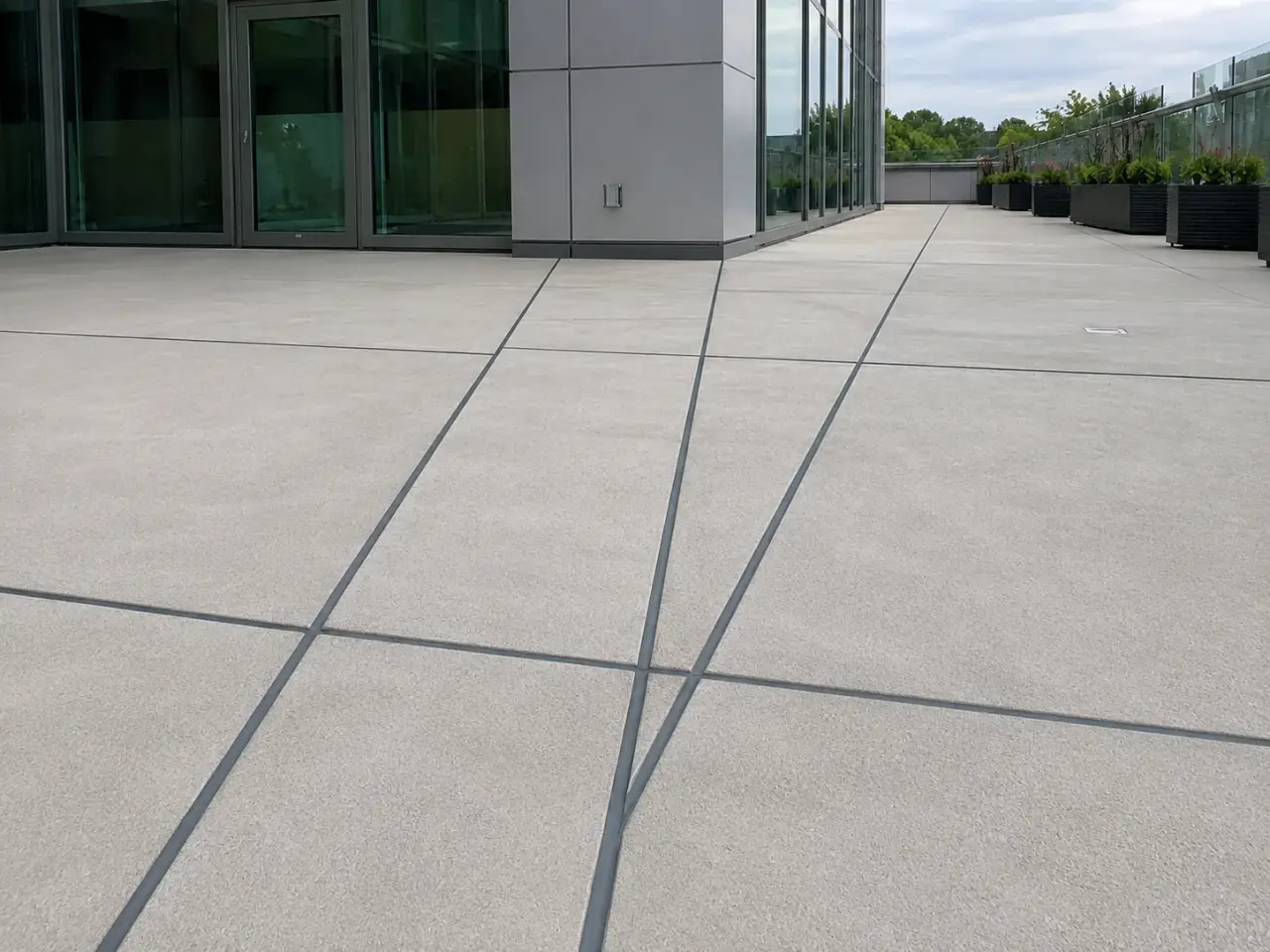
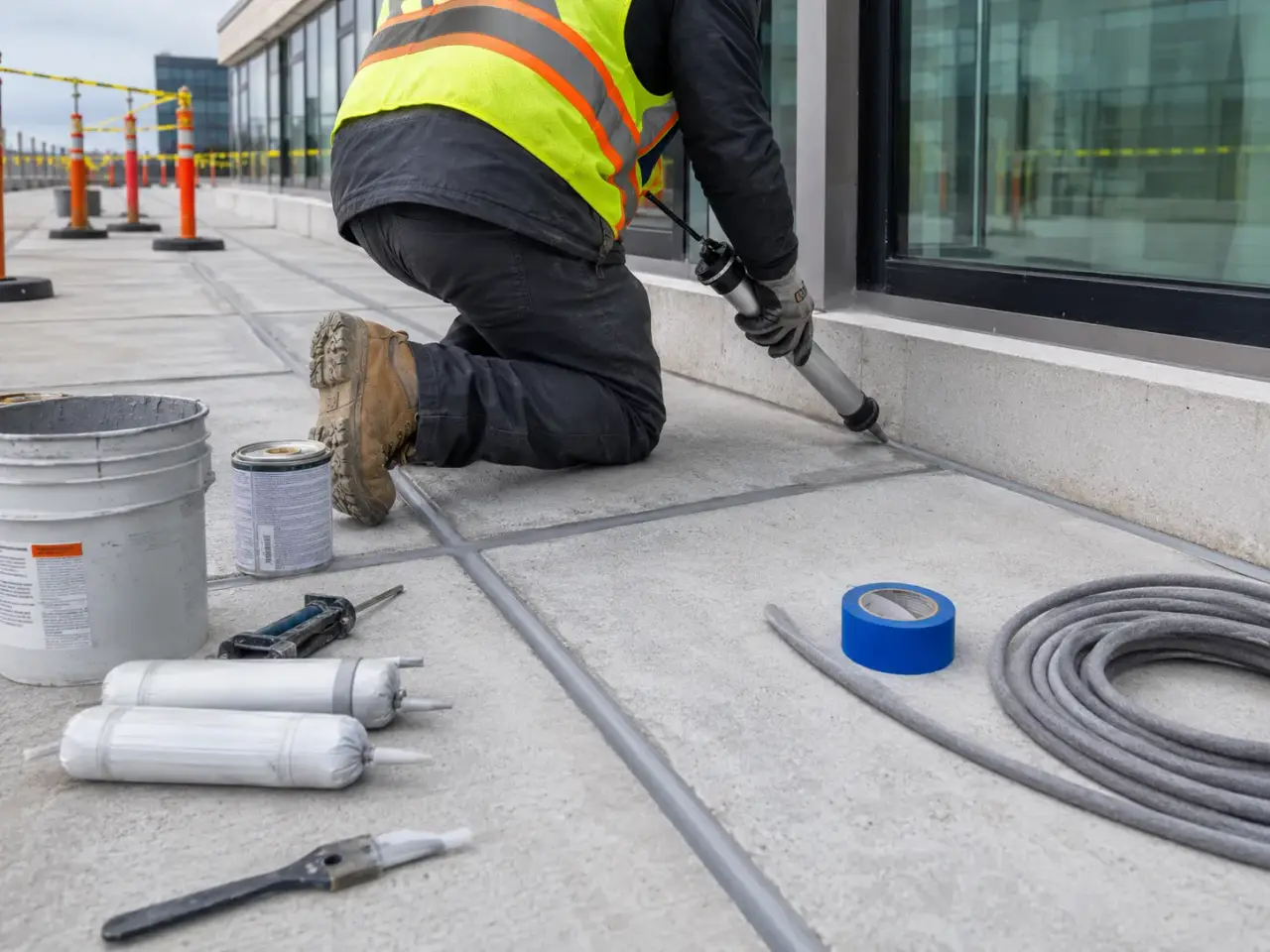
Sawed pavement reservoirs, formed concrete joints, facade joints, isolation joints, sanitary joints, submerged joints, and fire-resistance joints do not use one interchangeable sealant. Hot-pour asphalt materials serve selected pavement cracks and joints. Silicone, polyurethane, polysulfide, hybrid, and specialty systems provide different movement capability, hardness, chemical resistance, weathering, immersion tolerance, and adhesion. Preformed compression seals are considered where geometry and movement make a field-applied bead unsuitable.
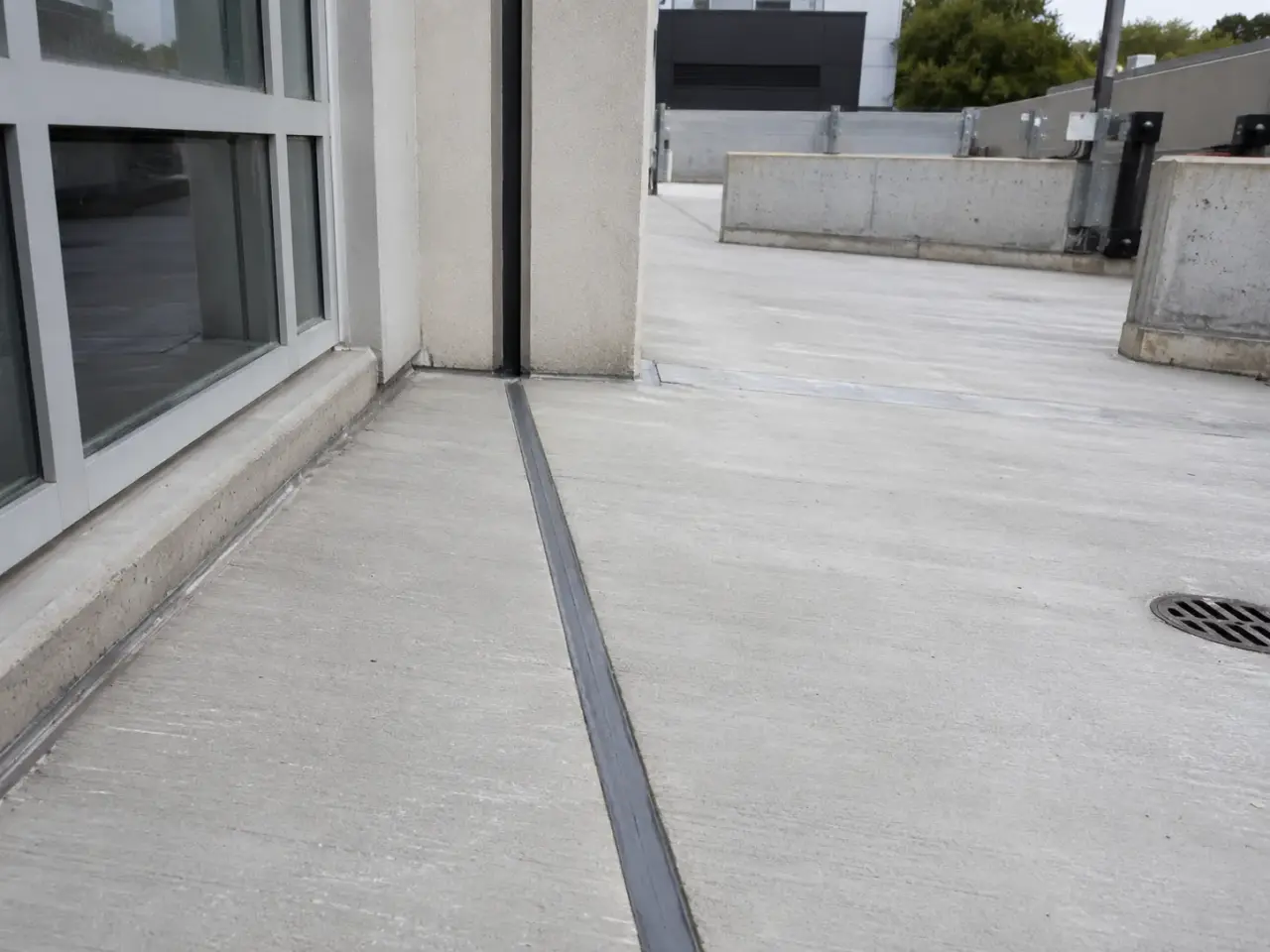
Step 1,
Step 2, Old material is cut and removed without damaging joint faces. Sawing, grinding, abrasive preparation, and vacuuming produce clean, dry, parallel bonding surfaces at the specified depth.
Step 3, Closed-cell backer rod or another approved bond breaker is installed without puncture or excessive compression to control depth and prevent three-sided adhesion. Primer is applied only where required.
Step 4, Sealant is placed continuously from the bottom up, tooled to full contact and the specified profile, then protected from water, dust, pedestrians, forklifts, or traffic through its cure period.
Step 5, Completed joints are checked for two-sided adhesion, continuous tooling, designed depth, clean terminations, and protected cure, then representative adhesion results and repaired locations are recorded before traffic, washing, or weather exposure resumes.
Planning joint sealing in Oakville? Talk it through with our team.
Sealant selection considers movement capability, hardness, tear resistance, fuel or chemical exposure, immersion, ultraviolet exposure, temperature, traffic, cure mechanism, and compatibility with concrete or adjacent membranes.
Commercial and Civil Joint Sealing requirement 2. Ontario civil work follows the applicable OPSS and contract requirements for joint preparation and sealing compounds. Building work follows the 2024 Ontario Building Code and project envelope details.
Commercial and Civil Joint Sealing requirement 3. Width-to-depth ratio, minimum and maximum depth, primer, backer diameter, installation temperature, and cure-to-service time follow the approved system data and project specification.
Commercial and Civil Joint Sealing requirement 4. For horizontal traffic joints, the sealant profile is recessed as detailed to protect it from tires and snow equipment. Armoured or expansion-joint systems are repaired as systems, not treated as simple caulk lines.
Applicable document set. applicable OPSS requirements for civil joints, the 2024 Ontario Building Code, project joint schedules, approved product data, manufacturer preparation limits, and consultant adhesion-testing requirements.
We survey the joint network, record widths and edge damage, identify active leaks and movement, and confirm whether failed concrete nosings or joint hardware require repair before resealing. Old material is cut and removed without damaging joint faces. Sawing, grinding, abrasive preparation, and vacuuming produce clean, dry, parallel bonding surfaces at the specified depth.
The governing document set is applicable OPSS requirements for civil joints, the 2024 Ontario Building Code, project joint schedules, approved product data, manufacturer preparation limits, and consultant adhesion-testing requirements. Width-to-depth ratio, minimum and maximum depth, primer, backer diameter, installation temperature, and cure-to-service time follow the approved system data and project specification.
The price responds to joint length and width, removal difficulty, edge repairs, substrate moisture, sealant chemistry, access, traffic control, temperature protection, primer, backer, and required cure window. Opening traffic before cure deforms or tracks the sealant. We define realistic closures, use suitable cure chemistry, and maintain protection until service criteria are met.
The controlling schedule factors are joint preparation rate, edge repairs, dry weather, substrate temperature, primer and sealant cure, traffic closures, access, and coordination with washing, coating, or paving. Old material is cut and removed without damaging joint faces. Sawing, grinding, abrasive preparation, and vacuuming produce clean, dry, parallel bonding surfaces at the specified depth.
Yes. We divide floors, facades, or pavements into short closures, maintain alternate routes, control odour and dust, and return each zone after the specified cure period. Opening traffic before cure deforms or tracks the sealant. We define realistic closures, use suitable cure chemistry, and maintain protection until service criteria are met.
We check joint dimensions, surface cleanliness, backer depth, primer use, batch and weather conditions, sealant continuity, tooling profile, adhesion test results, cure protection, and repaired edge condition. Sealant selection considers movement capability, hardness, tear resistance, fuel or chemical exposure, immersion, ultraviolet exposure, temperature, traffic, cure mechanism, and compatibility with concrete or adjacent membranes.
Provide joint plans or measured lengths, typical width and depth, substrate and exposure, photographs, existing material, leak or movement history, traffic loads, access, closure limits, and finish requirements. Old material is cut and removed without damaging joint faces. Sawing, grinding, abrasive preparation, and vacuuming produce clean, dry, parallel bonding surfaces at the specified depth.
Loss of adhesion usually points to contaminated or damp bond faces, missing or incorrect primer, installation outside temperature limits, early movement, or a joint geometry that places excessive strain on the bead. A field adhesion test and removal review are more useful than applying another surface layer.
A thin cap over failed material is rarely a durable repair because it cannot establish the required bond area or movement profile. Existing sealant and incompatible residue normally must be removed, the faces prepared, and new backing and sealant installed to the approved geometry.
Still have a question about joint sealing in Oakville? Ask our team directly.
Commercial and heavy-civil construction delivered for developers, contractors, property managers, and municipalities.
Send drawings, a site plan, or a description of the scope. Harrowgate Group is licensed, insured, and WSIB-covered.
Licensed, Insured & WSIB-Covered, work managed and documented on every job
Tell us what you need and we’ll get you a quote.
Harrowgate Group provides joint sealing, delivered and installed with quote-ready support across Toronto and surrounding Ontario communities.
Companies We've Worked With
Harrowgate Group delivers commercial and heavy-civil construction for developers, contractors, institutions, municipalities, and property groups across Ontario.
 Popeyes
  Tim Hortons
  Subway
  University of Toronto
  Madison Group
  RioCan
  Women's College Hospital
  Starbucks
  Mazda
Mazda  TD Bank
  City of Toronto Popeyes Tim Hortons Subway University of Toronto Madison Group RioCan Women's College Hospital Starbucks Mazda TD Bank City of Toronto