Built to spec
Built to your engineered drawings, survey, and the real site conditions, not a one-size-fits-all approach forced to fit.
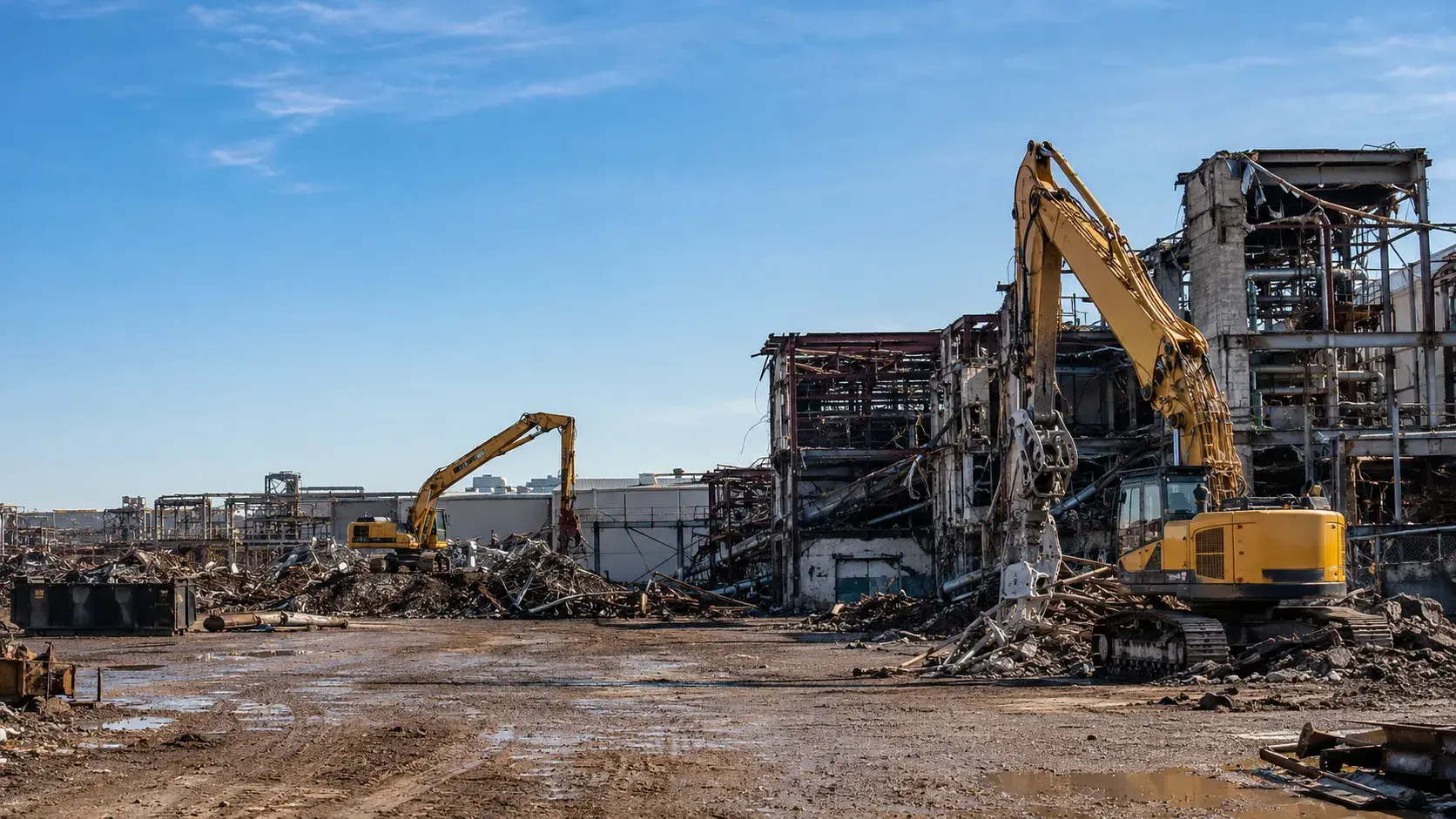
Industrial Demolition in Richmond Hill is the large-scale, heavy demolition of plants, structures, and industrial facilities under controlled methods.
Tell us what you need and we’ll get you a quote.
Licensed, insured & WSIB-covered · Free, no-obligation quote & on-site assessment.
Built to your engineered drawings, survey, and the real site conditions, not a one-size-fits-all approach forced to fit.
Durable materials and methods chosen for the load, traffic, and environment on site.
Send specs, drawings, or photos and get a free, no-obligation site visit and estimate with no guesswork.
Installation and site work completed in accordance with Ontario requirements.
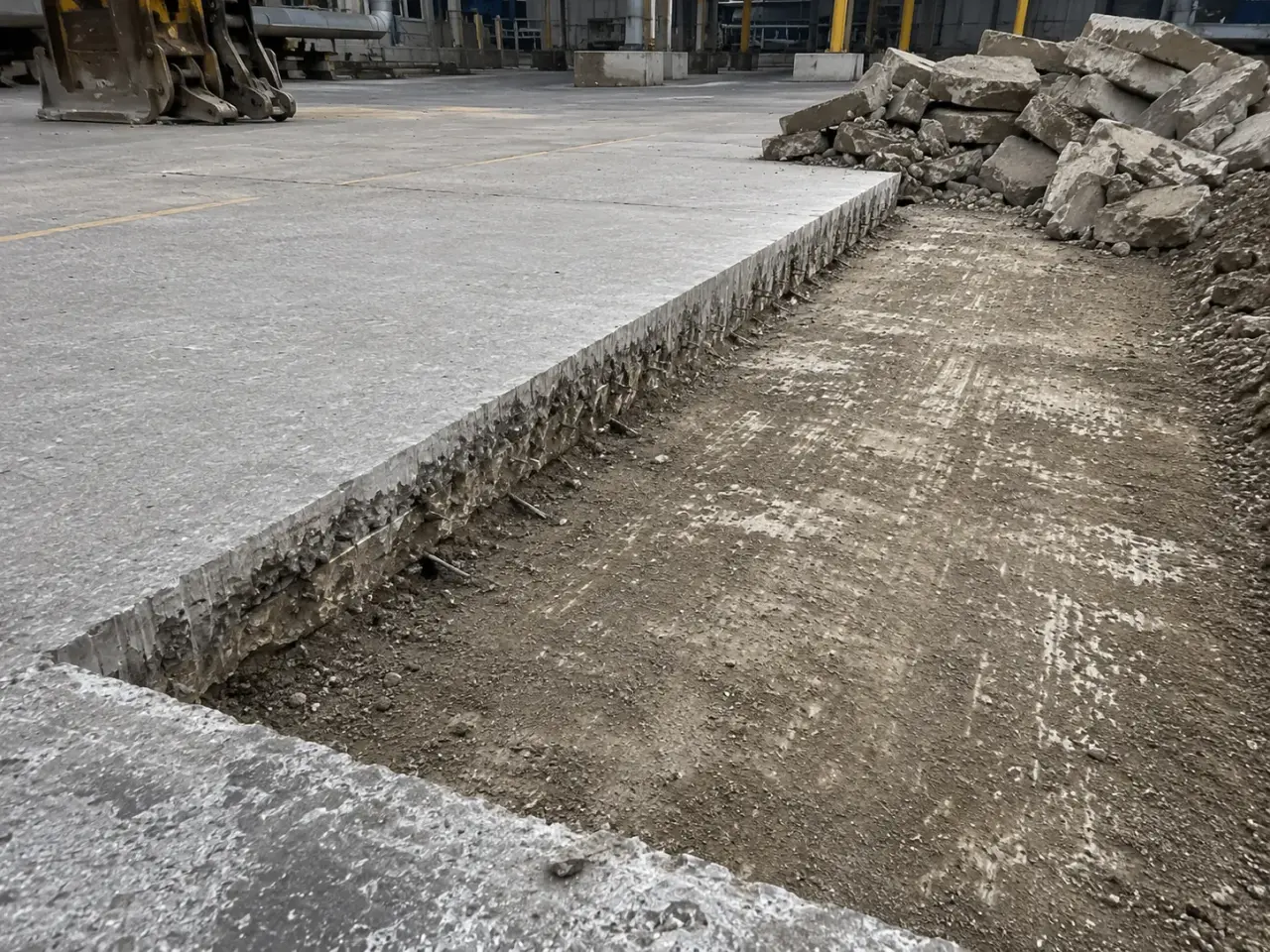
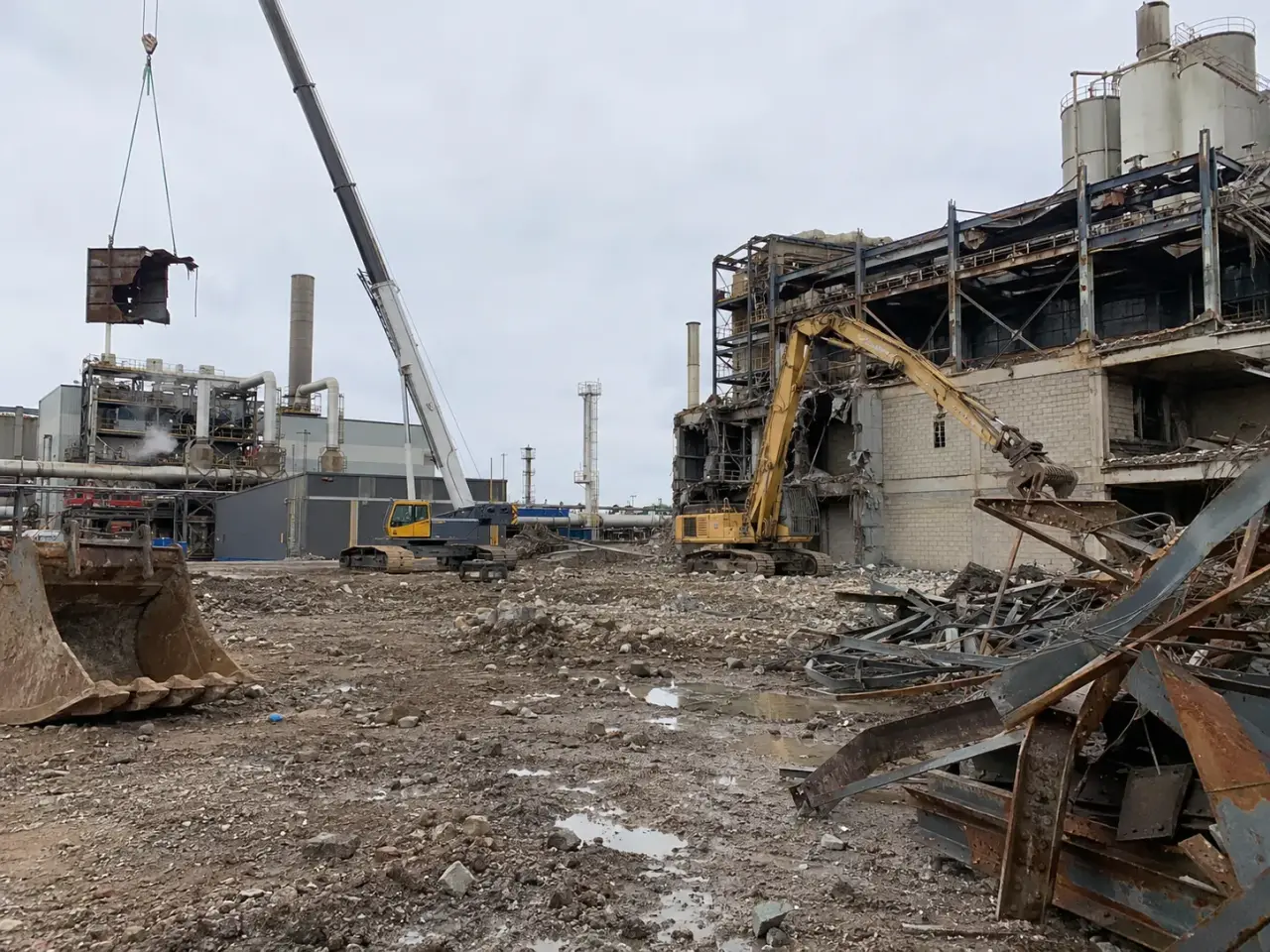
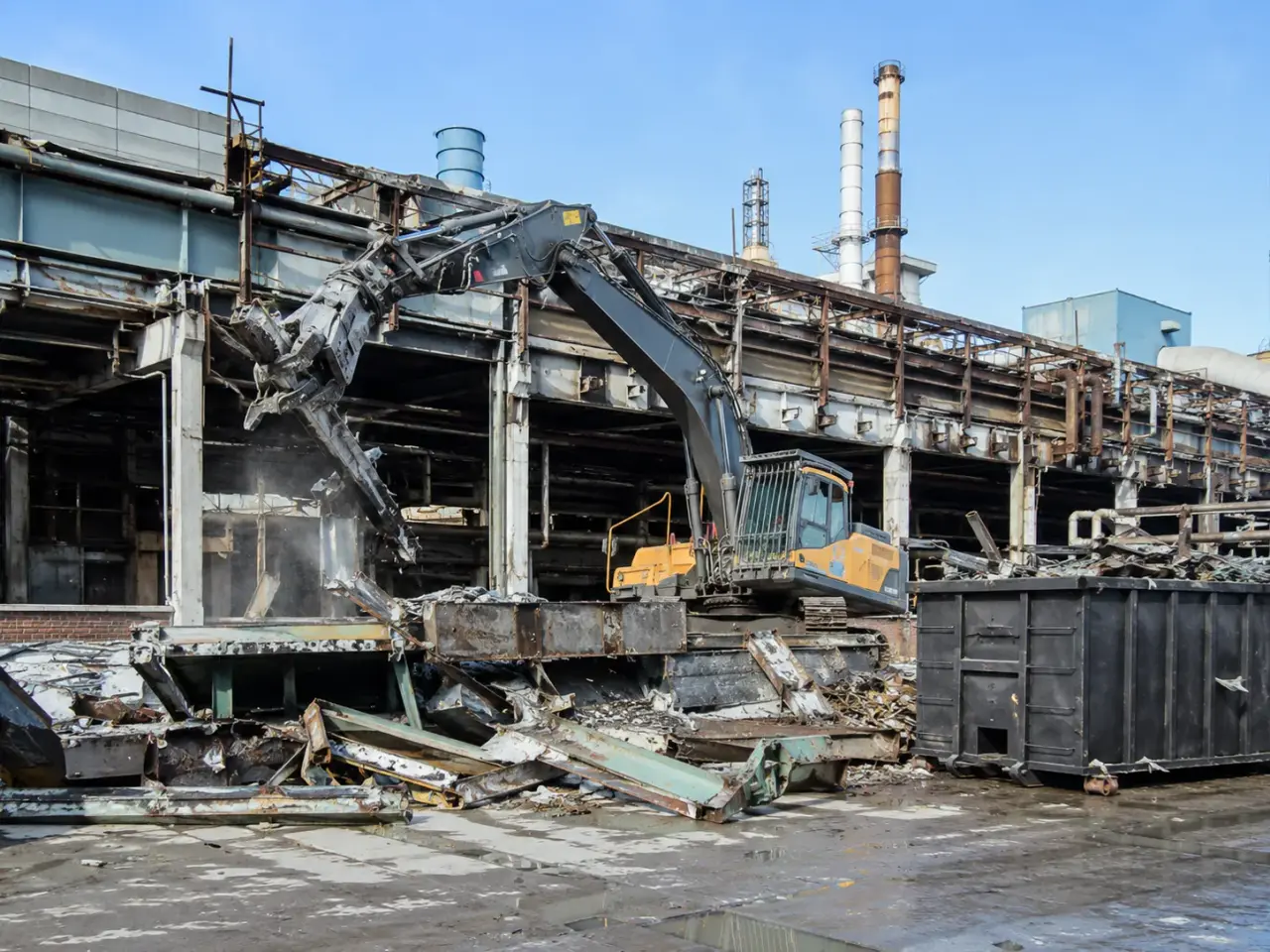
Mechanical demolition uses excavators and attachments where reach, exclusion space, floor or ground capacity, and structure permit. Piece-by-piece dismantling suits retained operations, valuable equipment, and sensitive interfaces. Sawcutting, wire sawing, robotic demolition, and controlled lifting reduce vibration or define precise sections. Top-down or engineered sequences protect unstable framing and load paths. Explosive methods require specialized design and controls and are not assumed for ordinary industrial removal.
Step 1,
Step 2, First, we establish the work zones, exclusion areas, haul routes, emergency access, dust controls, and interfaces with operating personnel. Harrowgate traces and labels process, electrical, gas, water, sewer, communications, fire-protection, pneumatic, hydraulic, and thermal systems.
Disconnection is verified at the work face, not assumed from a drawing. Trapped pressure is relieved, lines are drained and cleaned as required by the owner’s process information, and open ends are capped. Tanks, vessels, transformers, refrigeration equipment, batteries, lubricants, and chemical stores are identified before structural work starts.
Step 3, Second, we remove designated substances and other materials that cannot enter the general demolition stream. Reusable machinery is rigged out before the shell becomes unstable. We protect retained control rooms, substations, pipe bridges, foundations, and utility corridors with physical separation and clearly marked limits. Where the facility remains partly operational, shutdown work is divided into short, verifiable packages so production can restart without demolition debris or unknown system status.
Step 4, Third, the structure is reduced in the planned load path. Attachments, cladding, rooftop equipment, conveyors, and non-structural elements come off before primary frames unless the engineered method states otherwise. High-reach work proceeds within the machine’s rated geometry and a controlled drop zone. Steel members are sheared or cut into stable lengths. Reinforced concrete is processed progressively so columns, beams, walls, and slabs do not retain unplanned cantilevers. Prestressed, post-tensioned, fire-damaged, or heavily modified structures receive project-specific engineering before any cut releases stored force.
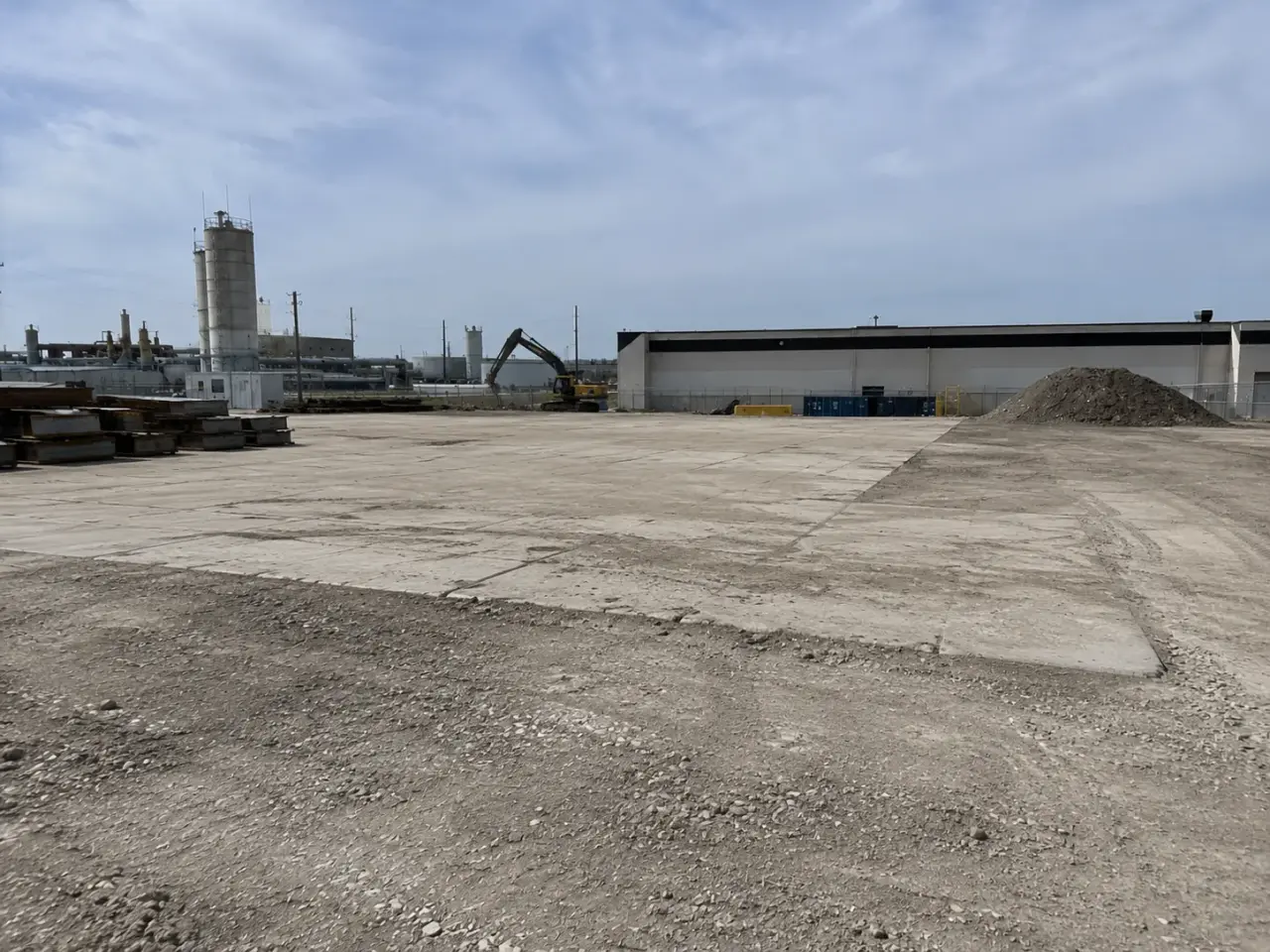
Step 5, Finally, we break machine bases and foundations to the specified depth, remove below-grade obstructions, sort ferrous and non-ferrous metals, process clean concrete separately, and load waste by destination. Survey checks confirm excavation depth and retained elevations. We leave the site in the contracted condition, which can include crushed-concrete stockpiles, rough grade, clean subgrade for investigation, or a prepared handoff to excavation and new construction.
Planning industrial demolition in Richmond Hill? Talk it through with our team.
A useful bid package includes current surveys, structural and process drawings, designated-substance reports, utility information, equipment inventories, retained-asset limits, shutdown windows, access restrictions, and the required final condition. Harrowgate also performs a site walk to verify construction types, machine access, overhead clearance, floor capacity concerns, and practical material-loading routes.
Yes. Harrowgate phases industrial demolition around operating boundaries using verified service isolations, physical separation, controlled access, dust and debris containment, scheduled noisy work, and documented turnover points. We coordinate each phase with facility operations and the project engineer so retained production, emergency routes, fire-protection coverage, and critical utilities remain protected.
Harrowgate manages the disconnection sequence with the owner, utilities, and authorized service personnel, then verifies safe status at the work face before demolition. Ontario construction rules require dangerous gas, electrical, and other services to be shut off and disconnected. Private process lines, stored pressure, thermal energy, and hydraulic systems also require documented isolation and release.
We create separate material streams before production demolition begins. Ferrous and non-ferrous metals are segregated, reusable equipment is removed intact when specified, clean concrete is isolated for recycling or on-site processing, and regulated materials remain separate. Scale tickets and load records support the owner’s waste reporting and reduce contamination that lowers recovery value.
The affected area is secured and work shifts to another released zone while the condition is identified. Harrowgate documents location, dimensions, markings, contents, and connections without spreading the material. We coordinate sampling or specialist direction with the owner and environmental consultant, then revise the removal method, waste classification, transport route, and schedule before resuming.
Duration depends on decommissioning, regulated-material removal, structure type, equipment access, operating constraints, foundation depth, sorting requirements, and trucking capacity. Harrowgate builds a logic-linked schedule around surveys, permits, shutdowns, clearance hold points, structural demolition, below-grade removal, and final grading. Early investigation produces a more dependable completion date than production-rate assumptions alone.
Yes, when the project specifications, environmental condition, gradation requirements, and available space support on-site processing. Harrowgate keeps unsuitable material and reinforcing steel out of the feed, controls crushing and stockpile locations, and coordinates testing required by the design team. Reuse planning starts before demolition so clean concrete is not mixed with other debris.
Yes, where the accepted plan can separate utilities, structure, people, dust, vibration, debris, fire protection, emergency access, and equipment movement. Work advances through released zones and defined turnover points rather than an open-ended shared area.
The owner and authorized specialists identify electrical, hydraulic, pneumatic, thermal, chemical, gravity, and pressure hazards. Systems are drained, purged, disconnected, locked out, and verified at the work face before dismantling reaches them.
Still have a question about industrial demolition in Richmond Hill? Ask our team directly.
Commercial and heavy-civil construction delivered for developers, contractors, property managers, and municipalities.
Send drawings, a site plan, or a description of the scope. Harrowgate Group is licensed, insured, and WSIB-covered.
Licensed, Insured & WSIB-Covered, work managed and documented on every job
Tell us what you need and we’ll get you a quote.
Harrowgate Group provides industrial demolition, delivered and installed with quote-ready support across Toronto and surrounding Ontario communities.
Companies We've Worked With
Harrowgate Group delivers commercial and heavy-civil construction for developers, contractors, institutions, municipalities, and property groups across Ontario.
 Popeyes
  Tim Hortons
  Subway
  University of Toronto
  Madison Group
  RioCan
  Women's College Hospital
  Starbucks
  Mazda
Mazda  TD Bank
  City of Toronto Popeyes Tim Hortons Subway University of Toronto Madison Group RioCan Women's College Hospital Starbucks Mazda TD Bank City of Toronto