Built to spec
Built to your engineered drawings, survey, and the real site conditions, not a one-size-fits-all approach forced to fit.
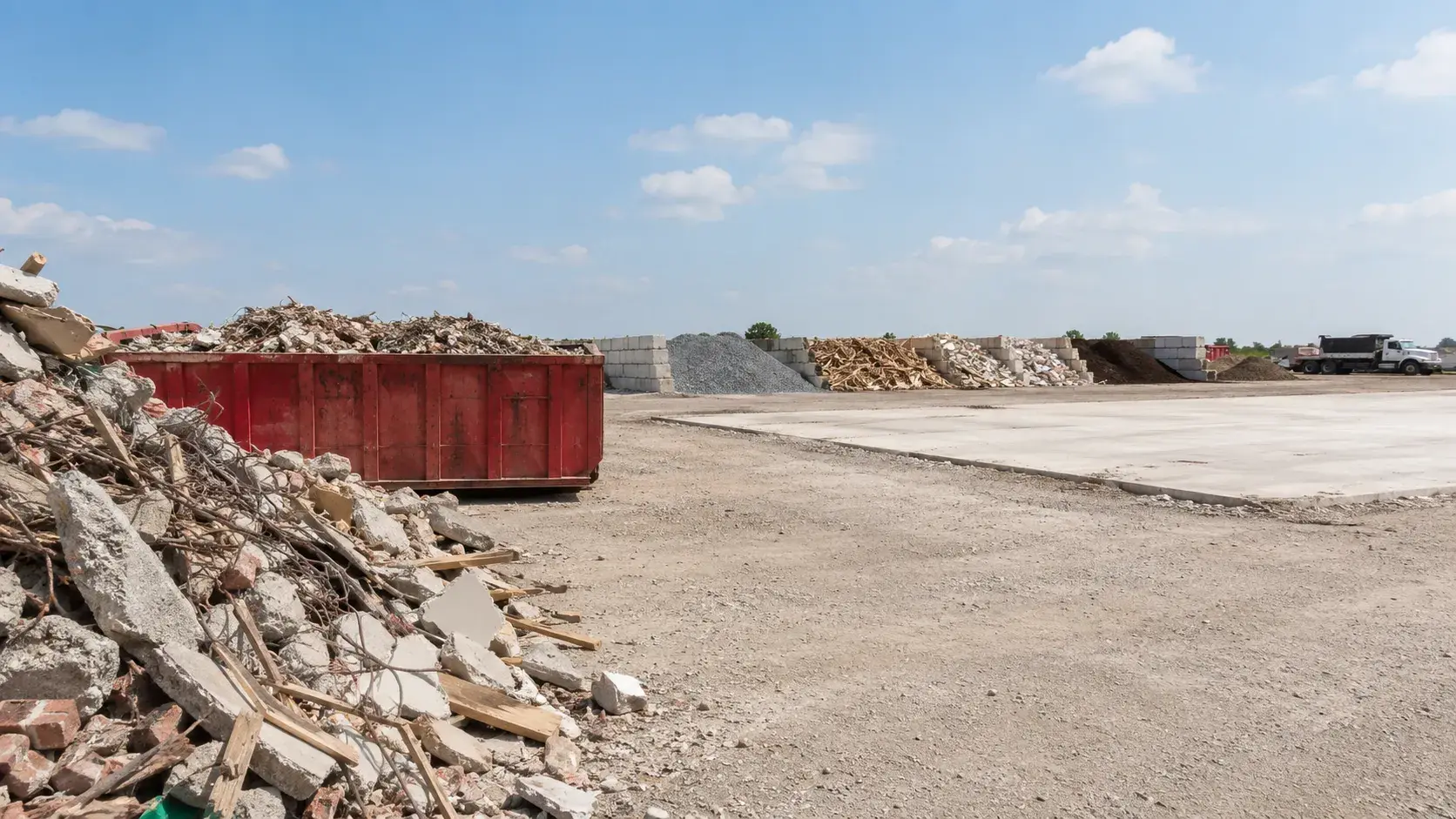
Debris Removal and Disposal in Oakville is the hauling, sorting, and disposal of demolition and construction debris to approved facilities.
Tell us what you need and we’ll get you a quote.
Licensed, insured & WSIB-covered · Free, no-obligation quote & on-site assessment.
Built to your engineered drawings, survey, and the real site conditions, not a one-size-fits-all approach forced to fit.
Durable materials and methods chosen for the load, traffic, and environment on site.
Send specs, drawings, or photos and get a free, no-obligation site visit and estimate with no guesswork.
Installation and site work completed in accordance with Ontario requirements.
Commercial debris removal is the controlled separation, loading, transport, recovery, and lawful disposal of construction materials from active project sites. Harrowgate performs the field work across the GTA, matching containers, equipment, labour, and haul cycles to the waste streams, access limits, and construction sequence.
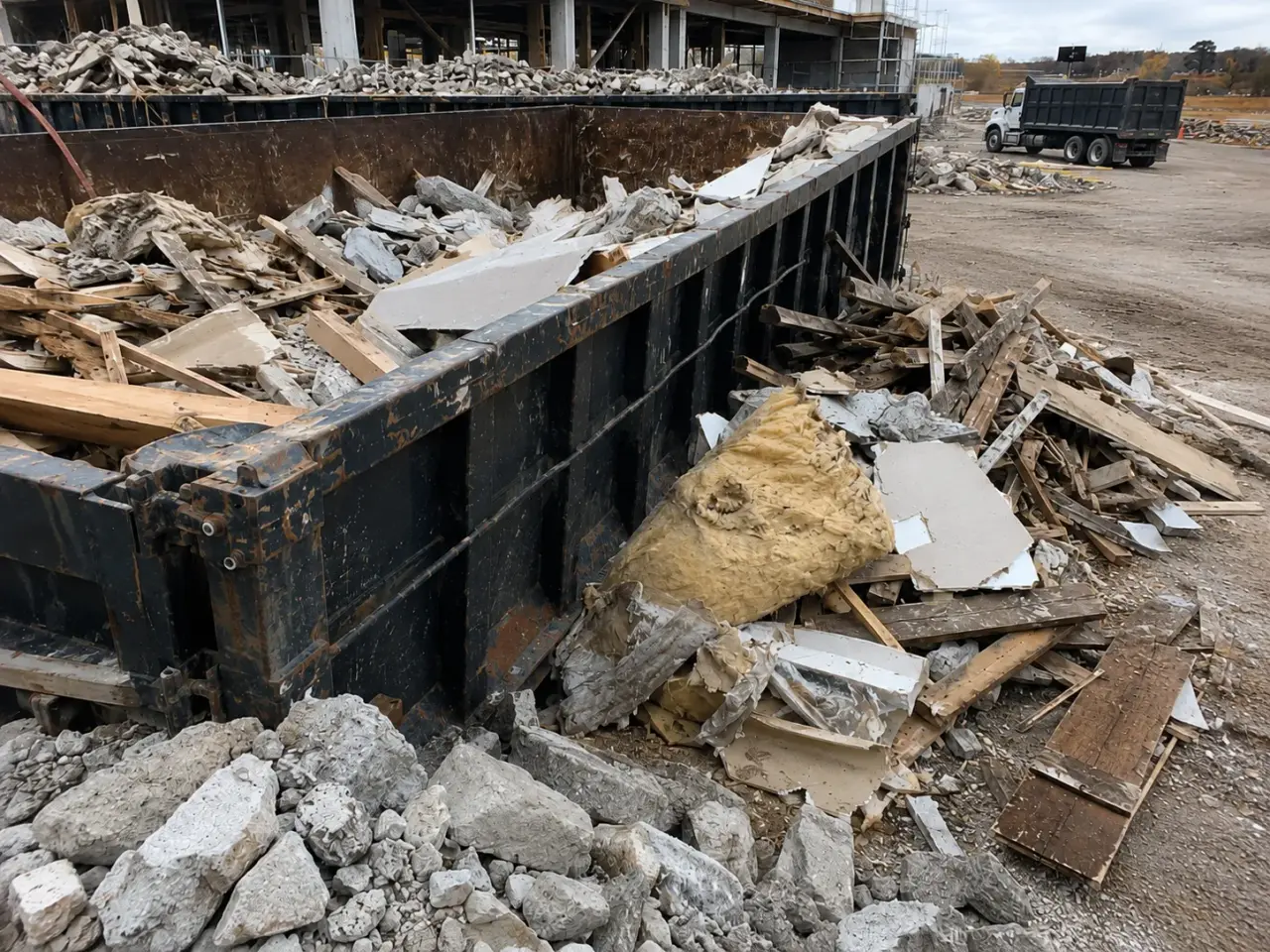
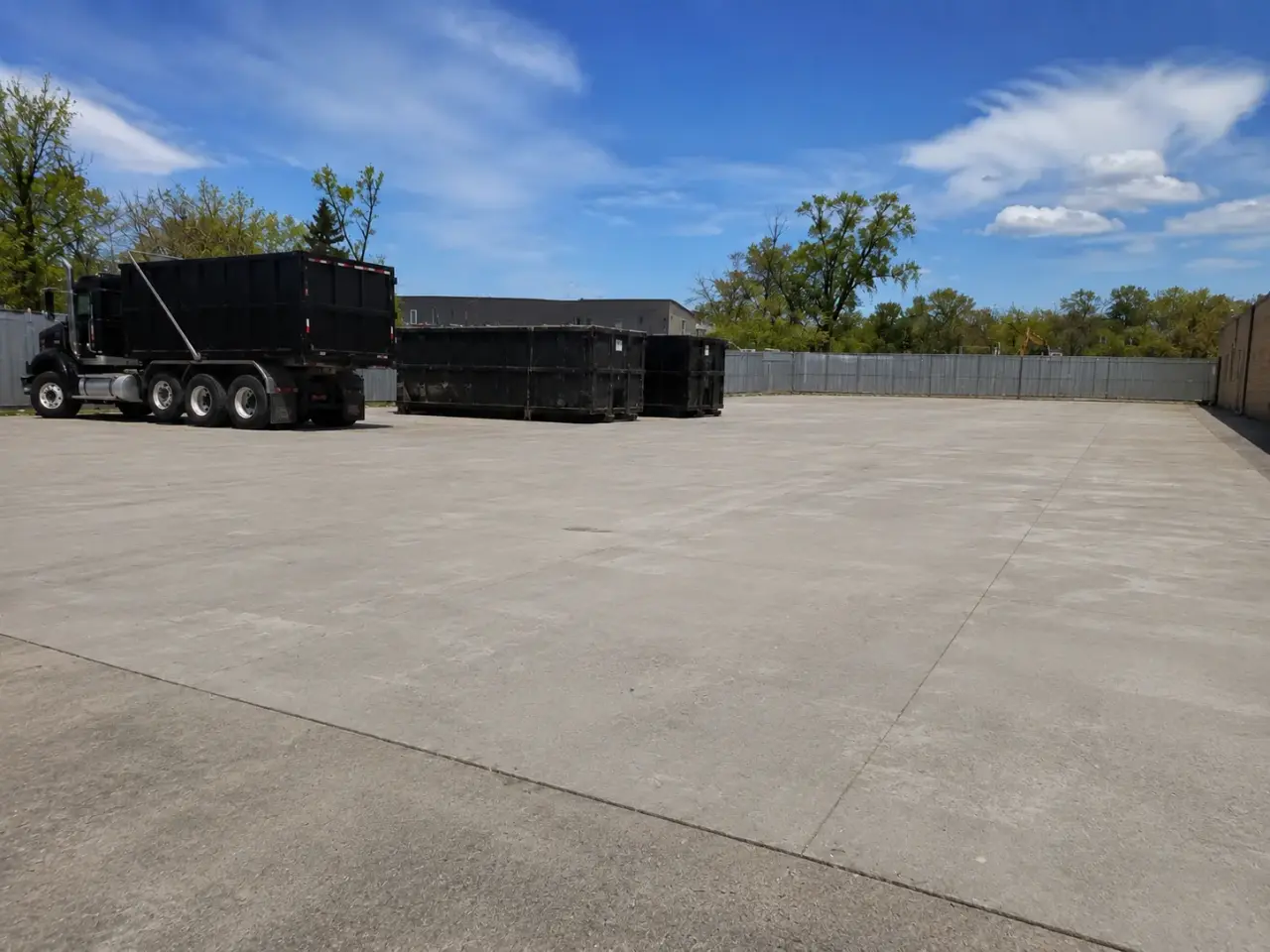
Source-separated loading preserves clean metal, concrete, asphalt, wood, gypsum, and reusable items as distinct streams. Mixed construction debris can be loaded to a sorting or transfer facility where site separation is impractical, but contamination can reduce recovery. Vacuum, sealed-container, lined-bin, or specialist handling is selected for wet, fine, dusty, odorous, sharp, heavy, or regulated material. Crushing and on-site reuse apply only where the material, space, environmental condition, specification, and testing support them.
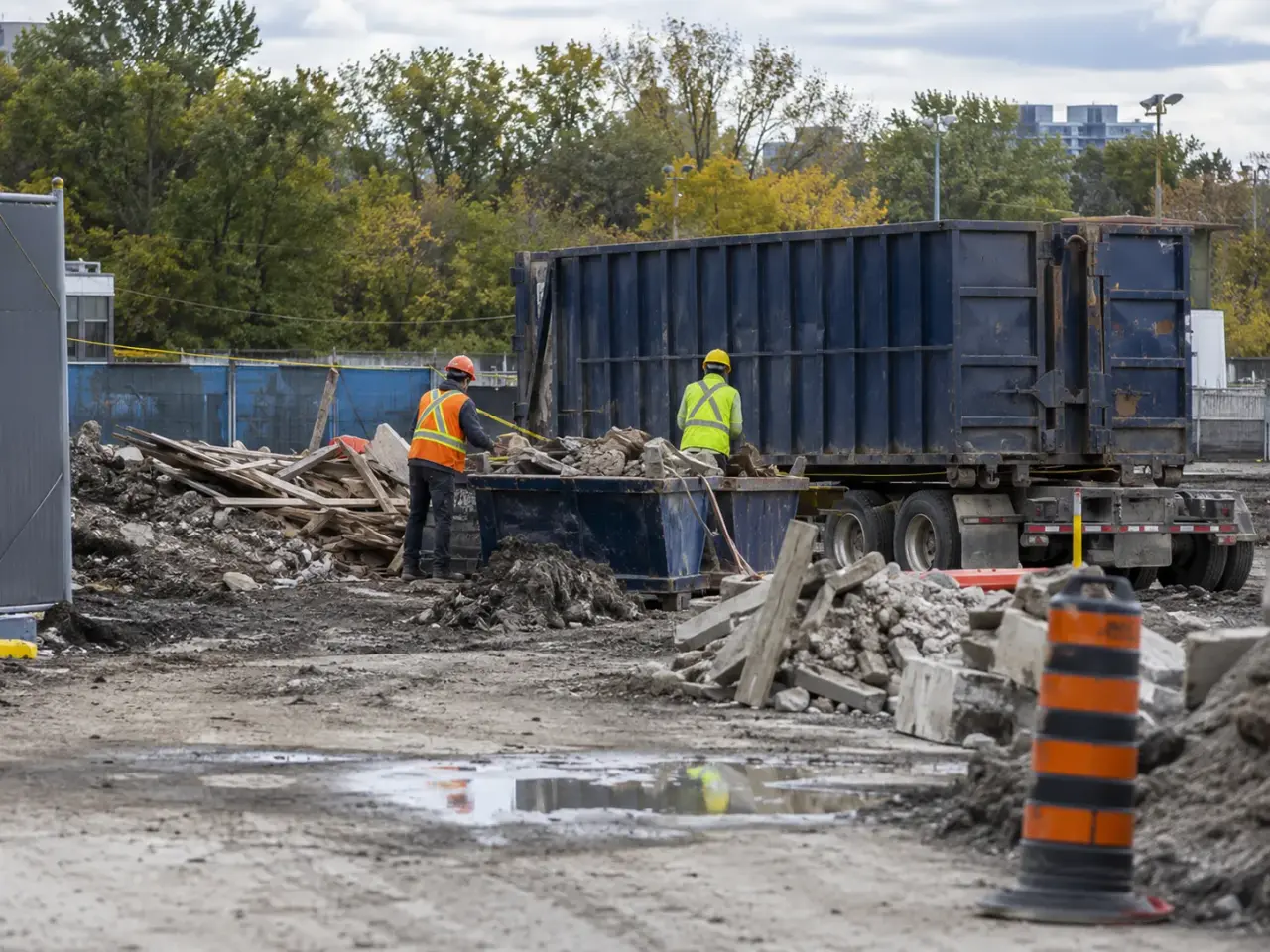
Step 1, We begin by walking the work area against demolition drawings, environmental reports, and the construction schedule. The field plan identifies each material stream, estimated volume and density, separation point, acceptable container, loading method, destination, and required record. Heavy mineral debris is kept apart from light mixed waste so bins are not overloaded and recoverable aggregate is not contaminated by drywall, insulation, wood, or garbage.
Step 2, At the source, crews sort materials into clearly marked zones or containers. Hand demolition feeds carts and chutes in interior work, while skid steers, excavators, hydraulic thumbs, breakers, and loaders handle exterior or structural debris. Water mist, local extraction, poly sheeting, temporary enclosures, and negative air are applied where dust migration could affect operations. Spotters control reversing equipment and protect pedestrians, utilities, doors, and finished surfaces.
Step 3, Haul cycles are planned around receiving-facility hours, road restrictions, crane picks, and gate capacity. Containers are loaded evenly, kept within weight limits, covered before travel, and exchanged before they obstruct production. Scale tickets and receiving records are reconciled to the project log by material and destination. This gives owners and construction managers a defensible record of what left the site and where it went.
Step 4, Closeout includes magnet sweeping where metal fragments are present, removing temporary stockpile protection, checking catch basins and haul roads, and resolving rejected or contaminated loads. Where material can be reused on the project, such as processed concrete aggregate, we coordinate testing, gradation, and placement requirements before it is diverted from disposal.
Step 5, Harrowgate reconciles removed areas, containers, material categories, weights or volumes where available, approved receivers, rejected loads, and final housekeeping. The owner receives a closeout that distinguishes reuse, recycling, regulated streams, and residual disposal.
Planning debris removal and disposal in Oakville? Talk it through with our team.
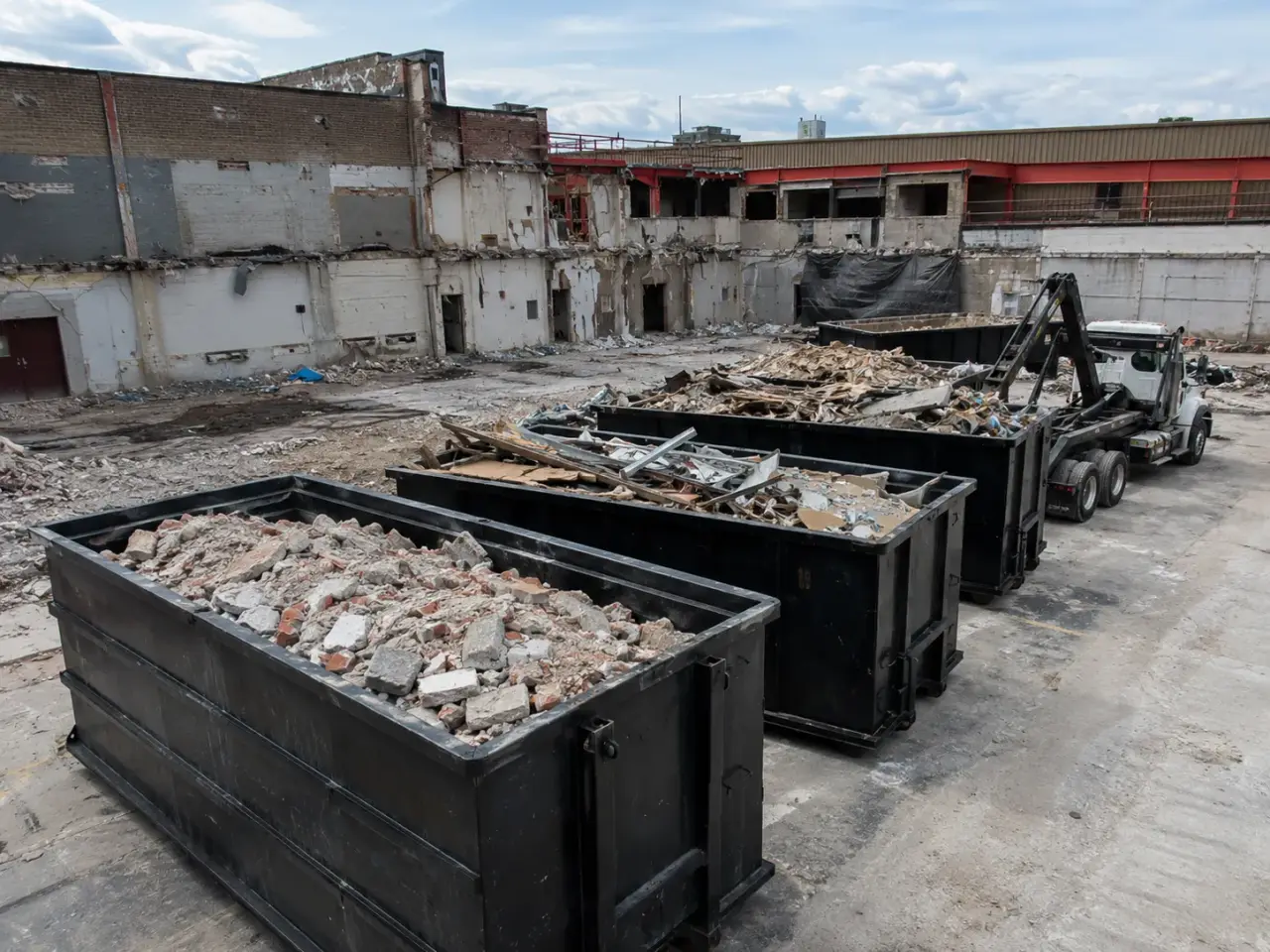
Clean site work and a tidy finish, coordinated with your engineers, the other trades, and the surrounding site conditions, built to the engineered drawings and the applicable codes.
We remove concrete, asphalt, masonry, metal, clean wood, gypsum, packaging, fixtures, excavated materials, and mixed construction debris from commercial, industrial, institutional, and heavy-civil sites. Each stream is reviewed before loading. Hazardous, designated, or asbestos-containing materials are isolated and handled under a separate compliant abatement or waste-removal plan.
We record container or truck identification, material stream, date, estimated or scaled quantity, carrier, and receiving destination as the project requires. Scale tickets and receiver records are reconciled to the load log. Excess soil and subject waste receive the additional characterization, tracking, registration, or digital manifest records required by Ontario rules.
Yes, suitable source-separated concrete and asphalt can be routed to an approved recycling facility or processed for engineered reuse when the project permits it. We keep reinforcing steel, soil, gypsum, wood, and regulated contaminants out of the feed, then coordinate gradation and material acceptance with the project engineer before any recycled aggregate is placed.
We phase the work by floor or zone, protect travel paths and elevators, use enclosed carts or covered containers, and schedule noisy loading around facility operations. Temporary containment, negative air, local extraction, and wet methods control dust where needed. Daily housekeeping and defined handback inspections keep occupied areas separated from the construction route.
Classification is based on the material, process history, environmental information, and required sampling, not on visual judgment. Harrowgate coordinates available reports and field findings with the client’s environmental consultant, then routes the material under applicable Ontario requirements. Unknown or suspect material is isolated and not mixed into an ordinary construction-debris load.
We match bin type to density, set fill lines for heavy debris, load evenly, and separate bulky low-density material from concrete or masonry. Crews inspect the stream during loading for prohibited items and contamination. Dispatch and destination acceptance are confirmed before pickup, reducing road-weight issues, receiver rejection, and unplanned handling charges.
Yes. Harrowgate builds container exchanges and truck cycles into the demolition or excavation production plan. This keeps work faces clear and prevents double handling. Harrowgate performs the removal, sorting, loading, haul coordination, road cleaning, and closeout as part of the same controlled construction sequence.
Yes, when space, material cleanliness, loading access, quantities, and receiver requirements support dedicated streams. Early separation protects value and keeps clean concrete, asphalt, metal, wood, and reusable items from contamination by soil, liquids, regulated material, or mixed waste.
Loading stops around the item, the area is secured, and markings, condition, location, leakage, and surrounding material are documented without opening or mixing it. The owner or qualified specialist determines classification, handling, packaging, and destination before work resumes.
Still have a question about debris removal and disposal in Oakville? Ask our team directly.
Commercial debris removal is the controlled separation, loading, transport, recovery, and lawful disposal of construction materials from active project sites. Harrowgate performs the field work across the GTA, matching containers, equipment, labour, and haul cycles to the waste streams, access limits, and construction sequence.
The scope starts with a material inventory rather than a generic bin. Concrete, asphalt, clean wood, metals, gypsum, packaging, soil, mixed demolition debris, and regulated materials have different destinations and handling requirements. We establish stockpile areas, contamination controls, truck routes, loading windows, and documentation before production begins. Hazardous or designated substances are isolated from ordinary debris and handled under their own approved work plan.
For occupied or constrained sites, removal is also a logistics operation. Dust, noise, falling-object exposure, public interfaces, elevator loading, floor capacity, gate queues, and fire routes can determine the method. We use enclosed carts, covered bins, skid steers, compact loaders, excavators, material handlers, dust suppression, and traffic control as conditions require, then leave work fronts broom clean and ready for the next operation.
Commercial and heavy-civil construction delivered for developers, contractors, property managers, and municipalities.
Send drawings, a site plan, or a description of the scope. Harrowgate Group is licensed, insured, and WSIB-covered.
Licensed, Insured & WSIB-Covered, work managed and documented on every job
Tell us what you need and we’ll get you a quote.
Harrowgate Group provides debris removal and disposal, delivered and installed with quote-ready support across Toronto and surrounding Ontario communities.
Companies We've Worked With
Harrowgate Group delivers commercial and heavy-civil construction for developers, contractors, institutions, municipalities, and property groups across Ontario.
 Popeyes
  Tim Hortons
  Subway
  University of Toronto
  Madison Group
  RioCan
  Women's College Hospital
  Starbucks
  Mazda
Mazda  TD Bank
  City of Toronto Popeyes Tim Hortons Subway University of Toronto Madison Group RioCan Women's College Hospital Starbucks Mazda TD Bank City of Toronto