Built to spec
Built to your engineered drawings, survey, and the real site conditions, not a one-size-fits-all approach forced to fit.
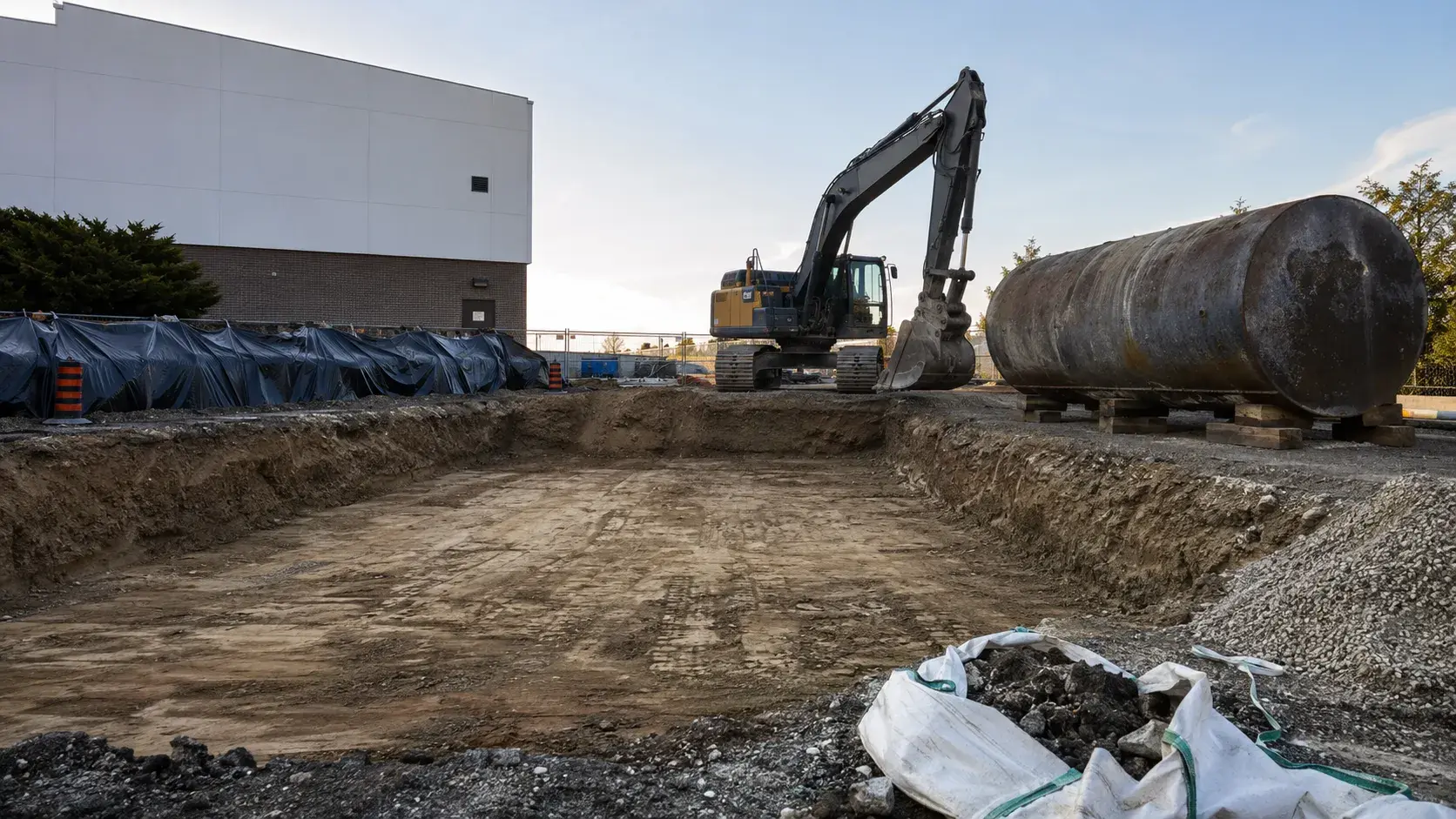
Harrowgate Group performs underground tank removal across Toronto, the GTA, and Ontario, coordinating fuel recovery, safe disconnection, excavation, tank lifting, environmental observation, impacted-soil handling, backfill, and documented site restoration for commercial, industrial, and redevelopment projects.
Tell us what you need and we’ll get you a quote.
Licensed, insured & WSIB-covered · Free, no-obligation quote & on-site assessment.
Built to your engineered drawings, survey, and the real site conditions, not a one-size-fits-all approach forced to fit.
Durable materials and methods chosen for the load, traffic, and environment on site.
Send specs, drawings, or photos and get a free, no-obligation site visit and estimate with no guesswork.
Installation and site work completed in accordance with Ontario requirements.
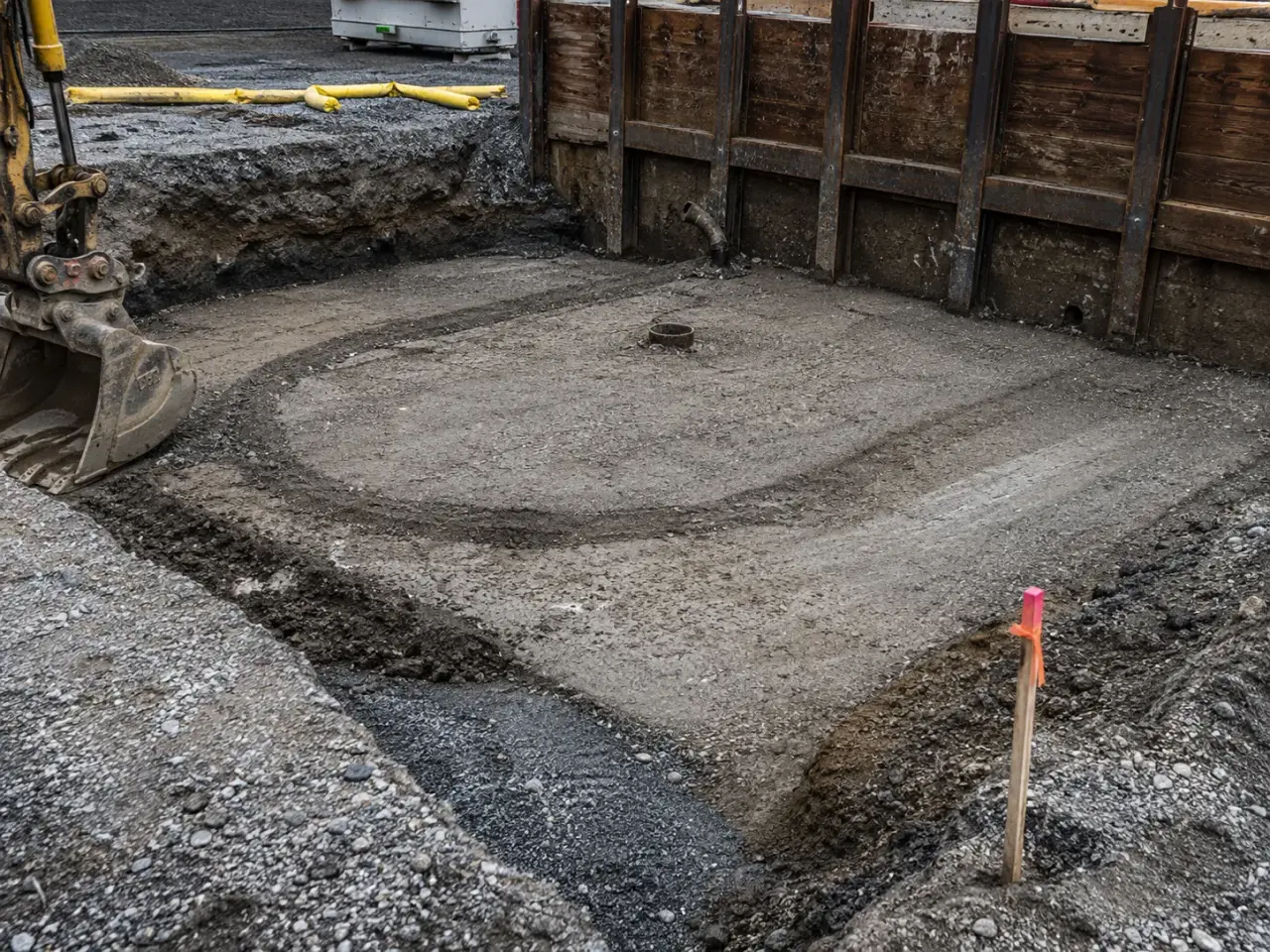
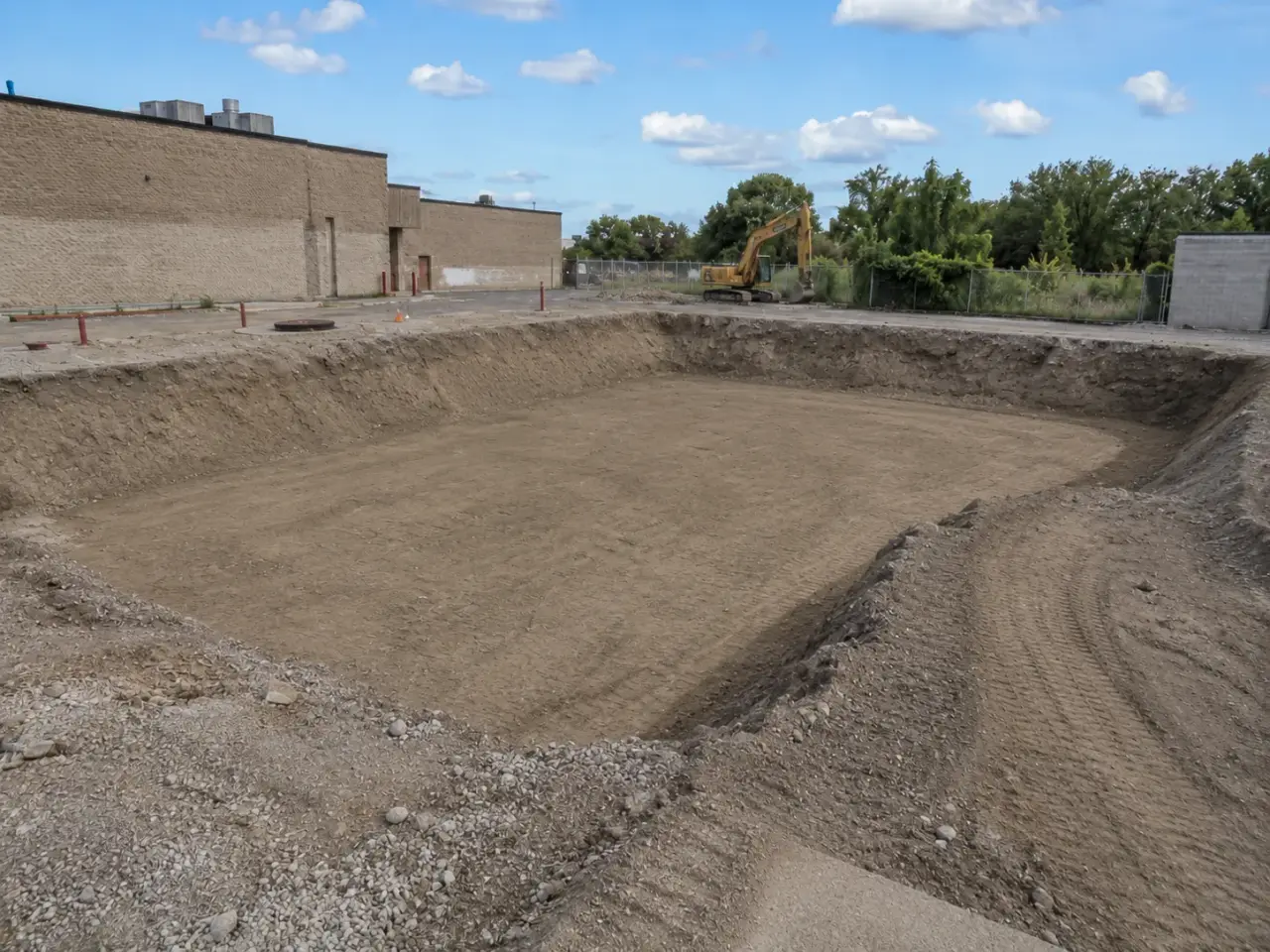
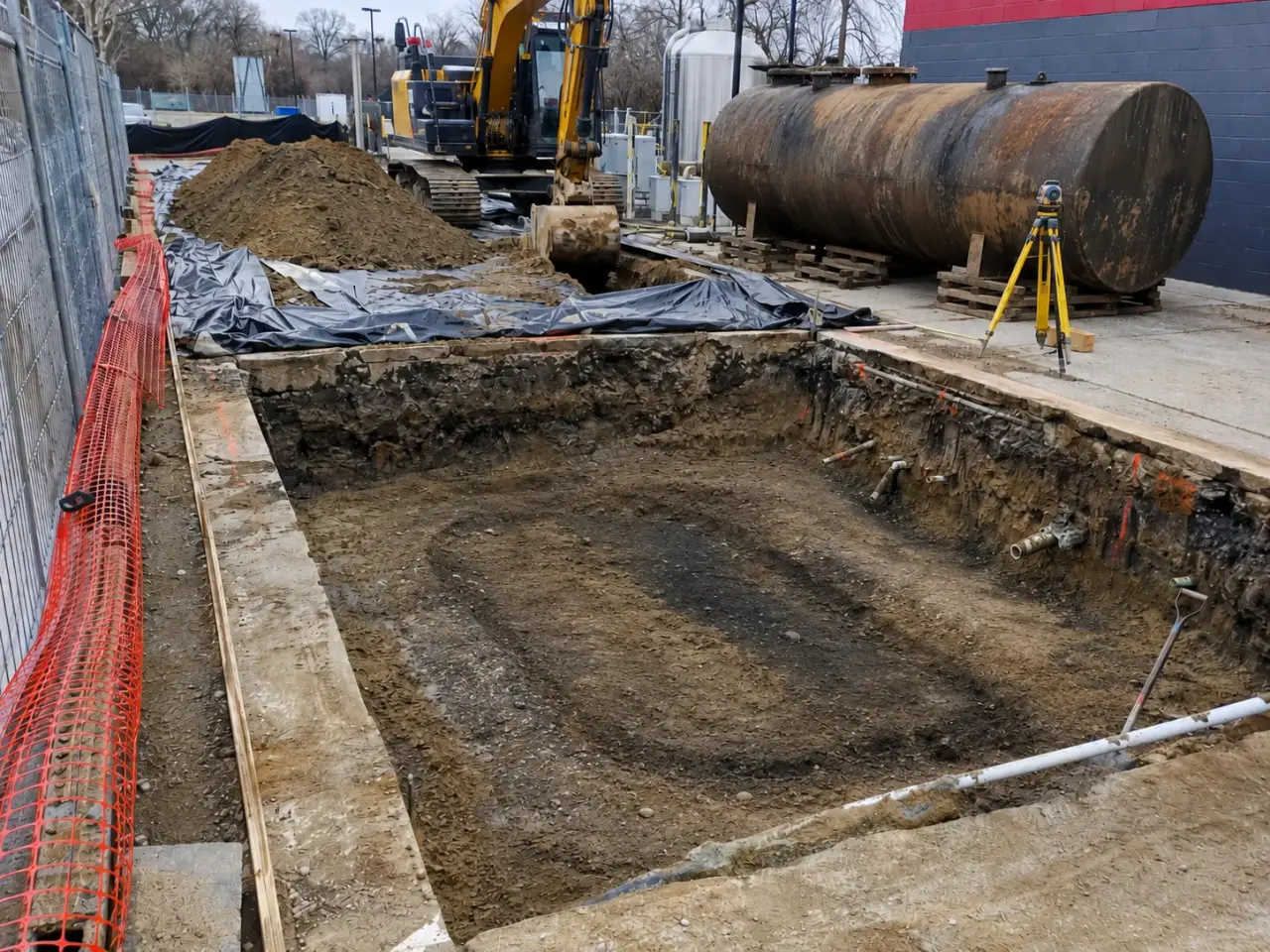
A planned clean closure removes product, vapour, sludge, piping, tank, affected appurtenances, and surrounding soil under controlled conditions. Removal following a suspected release adds environmental observation, sampling, groundwater management, and segregated soil handling. In-place closure is considered only when the accepted regulatory and engineering path permits it and removal would create greater risk. Tank lifting, cutting, or dismantling is selected from size, material, condition, residue, access, overhead clearance, and ignition risk.
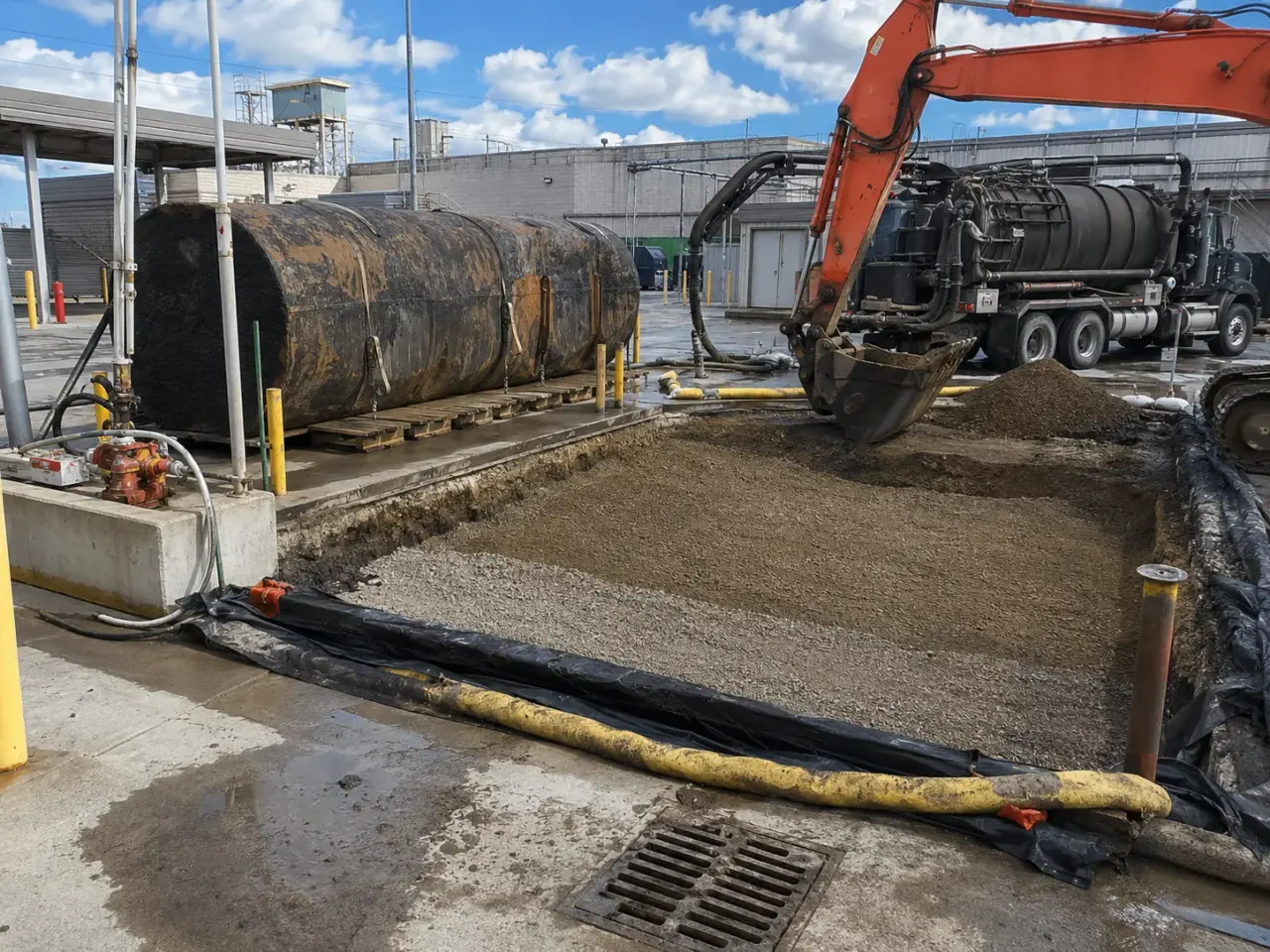
Step 1,
Step 2, We begin with available registrations, drawings, environmental reports, fuel records, tank and piping information, site access, proposed redevelopment grades, and TSSA requirements applicable to the stored product. The work plan identifies responsibilities for product transfer, vapour control, disconnection, lifting, inspection, sampling, soil destinations, dewatering, backfill, and reinstatement. Shutdown timing is coordinated where the tank still serves a generator, fleet, heating system, or process.
Step 3, Public locates are requested through Ontario One Call and all responses are received before excavation. Private electrical, controls, cathodic protection, product piping, drainage, and site services are traced separately. We establish the work zone, traffic controls, spill materials, exclusion area, equipment positions, and a lifting path that does not pass over workers or occupied areas. Pavement and concrete are saw-cut and removed into separate recyclable streams.
Step 4, Remaining product and sludge are recovered into suitable containers or a vacuum unit for an approved destination. The tank is isolated from its fill, vent, supply, return, and monitoring lines. The method for cleaning and making the tank safe for handling is defined for the product, tank condition, and regulatory requirements. Atmospheric testing continues at the required stages. No cutting, opening, or lifting step proceeds on an assumption that an apparently empty tank is safe.
Step 5, Excavation advances in controlled lifts. The operator stays outside the marked utility tolerance zones until required exposure has been completed. Depending on depth, soil, groundwater, adjacent foundations, and available space, the excavation uses sloping, benching, a trench box, or engineered support. Water is managed separately from product and suspect soil. We expose the top and sides without puncturing the shell, disconnect piping, uncover anchors or deadmen, and free the tank from bedding.
Step 6, Rigging points and crane or excavator capacity are checked against the tank size, residual contents, attached material, reach, and lifting radius. The tank is lifted under control and placed in the prepared inspection area. The environmental consultant observes the tank nest and directs confirmatory soil or groundwater sampling. We segregate stained soil, clean overburden, bedding, concrete, piping, and water so one affected material does not compromise every load.
Step 7, After sampling and regulatory release for the next step, the excavation is backfilled with the specified material in controlled lifts and compacted to the project requirement. Harrowgate restores granular base, concrete, or asphalt to the agreed limits, or leaves the excavation at redevelopment subgrade. The closeout package compiles tank information, photographs, quantities, destination records, field changes, and available environmental results.
Planning underground tank removal? Talk it through with our team.
Underground tank removal follows the issued environmental and civil plan, fire and safety controls, utility-owner procedures, applicable Ontario soil and waste requirements, and applicable local municipal requirements. The tank's contents, registration or owner information, piping, vents, fill points, electrical components, and decommissioning status are confirmed before excavation.
Product and sludge are recovered to approved containers and destinations. The tank is isolated, cleaned or rendered safe through the accepted procedure, and monitored where atmospheric or ignition hazards can exist. Cutting and lifting do not begin from an assumption that an apparently empty tank is free of vapour or residue.
Excavation controls soil stability, groundwater, utilities, adjacent foundations, traffic, and contamination spread. Clean overburden, potentially impacted soil, free product, tank water, groundwater, tank metal, piping, concrete, and other waste remain separated. An environmental qualified person directs sampling and professional interpretation where required.
The final excavation is inspected and sampled through the accepted plan, then backfill is placed and compacted in controlled lifts. Tank and soil records, manifests or receipts, photographs, laboratory data where applicable, field changes, surveys, compaction, and surface restoration form the closeout package.
TSSA states that underground storage tanks governed by Ontario's Liquid Fuels Handling Code and Fuel Oil Code must be removed within two years of disuse. If removal is not feasible, leaving a tank in place requires a formal variance and environmental-assessment path. Harrowgate plans physical removal as the standard project outcome.
Useful records include tank registration, size, product, construction, last use, remaining inventory, piping layout, environmental reports, utility plans, groundwater information, access limits, and required restoration. Harrowgate also checks truck and crane access, adjacent foundations, operating constraints, expected sampling, soil destinations, and whether the site is entering a Record of Site Condition process.
Yes, but product and sludge must first be recovered and directed to an approved destination using the planned fuel-handling process. The tank is isolated, cleaned, and tested for safe handling before lifting. An apparently empty gauge does not establish that the tank is free of liquid, residue, or hazardous vapour.
Harrowgate segregates the affected material, protects the excavation, and works to the environmental qualified person's sampling and delineation direction. Soil is characterized and sent to an appropriate reuse, treatment, or disposal destination under the approved Ontario process. We track excavation limits and loads so clean overburden is not mixed with impacted soil.
The retained environmental consultant or qualified person directs and documents soil and groundwater sampling. Harrowgate exposes safe sample locations, maintains the excavation, provides equipment for additional test pits or approved delineation, and holds backfill until release. This separation preserves the consultant's independent environmental conclusions while keeping field work efficient.
Only through the applicable TSSA variance and environmental-assessment process when removal is not feasible. Filling a tank without that review does not satisfy the stated Ontario removal requirement. Physical removal also exposes the tank nest for observation and sampling, which is often essential for redevelopment, financing, and environmental due diligence.
After required inspection and sampling hold points are released, Harrowgate places the specified approved backfill in controlled lifts and compacts it for the future use. Restoration can include granular base, concrete, asphalt, or a redevelopment subgrade. Testing, grades, drainage, and tie-ins are defined by the engineer and project documents.
Duration depends on regulatory coordination, tank size and contents, utility clearance, access, excavation support, groundwater, environmental sampling, soil destinations, and restoration. A straightforward removal can progress quickly once prerequisites are complete. Multiple tanks, impacted soil, analytical hold points, deep shoring, or continued facility operation require a phased schedule with explicit decision points.
An environmental qualified person or other authorized professional establishes the sampling program and interprets results for the applicable environmental process. Harrowgate provides safe excavation access, segregation, handling, records, and restoration without replacing that professional conclusion.
Only under an accepted cleaning, atmospheric, ignition-control, and cutting procedure. Tank contents, vapours, residues, coatings, material, nearby utilities, and lifting access must be understood first. Whole-tank lifting is preferred where practical and safe.
Still have a question about underground tank removal? Ask our team directly.
Commercial and heavy-civil construction delivered for developers, contractors, property managers, and municipalities.
Send drawings, a site plan, or a description of the scope. Harrowgate Group is licensed, insured, and WSIB-covered.
Licensed, Insured & WSIB-Covered, work managed and documented on every job
Tell us what you need and we’ll get you a quote.
Harrowgate Group provides underground tank removal, delivered and installed with quote-ready support across Toronto and surrounding Ontario communities.
Companies We've Worked With
Harrowgate Group delivers commercial and heavy-civil construction for developers, contractors, institutions, municipalities, and property groups across Ontario.
 Popeyes
  Tim Hortons
  Subway
  University of Toronto
  Madison Group
  RioCan
  Women's College Hospital
  Starbucks
  Mazda
Mazda  TD Bank
  City of Toronto Popeyes Tim Hortons Subway University of Toronto Madison Group RioCan Women's College Hospital Starbucks Mazda TD Bank City of Toronto