
Built to spec
Built to your engineered drawings, survey, and the real site conditions, not a one-size-fits-all approach forced to fit.
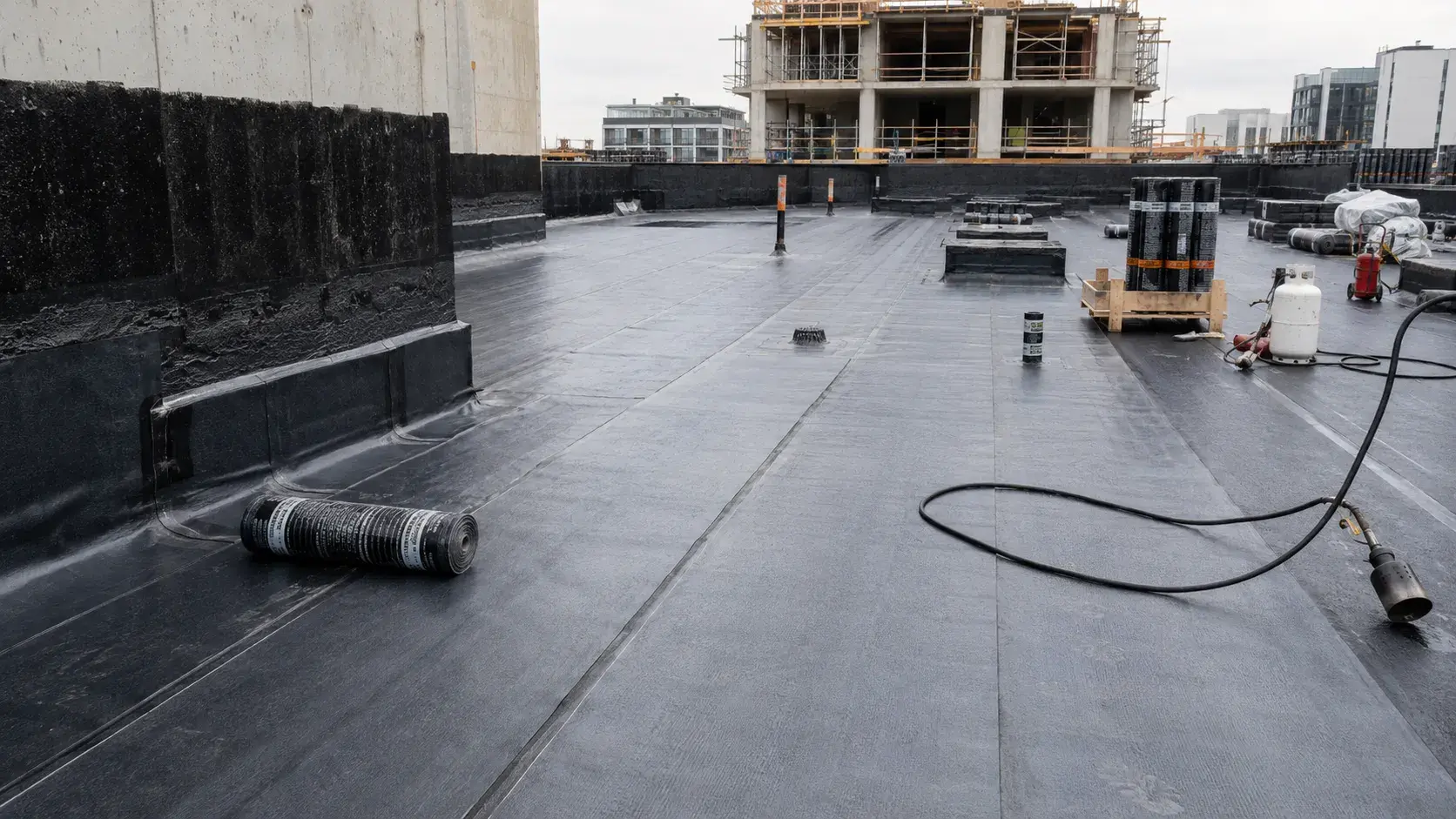
Sheet and Torch-On Waterproofing in Scarborough is membrane waterproofing applied in sheets or torch-applied for durable below-grade and deck protection.
Tell us what you need and we’ll get you a quote.
Licensed, insured & WSIB-covered · Free, no-obligation quote & on-site assessment.
Built to your engineered drawings, survey, and the real site conditions, not a one-size-fits-all approach forced to fit.
Durable materials and methods chosen for the load, traffic, and environment on site.
Send specs, drawings, or photos and get a free, no-obligation site visit and estimate with no guesswork.
Installation and site work completed in accordance with Ontario requirements.
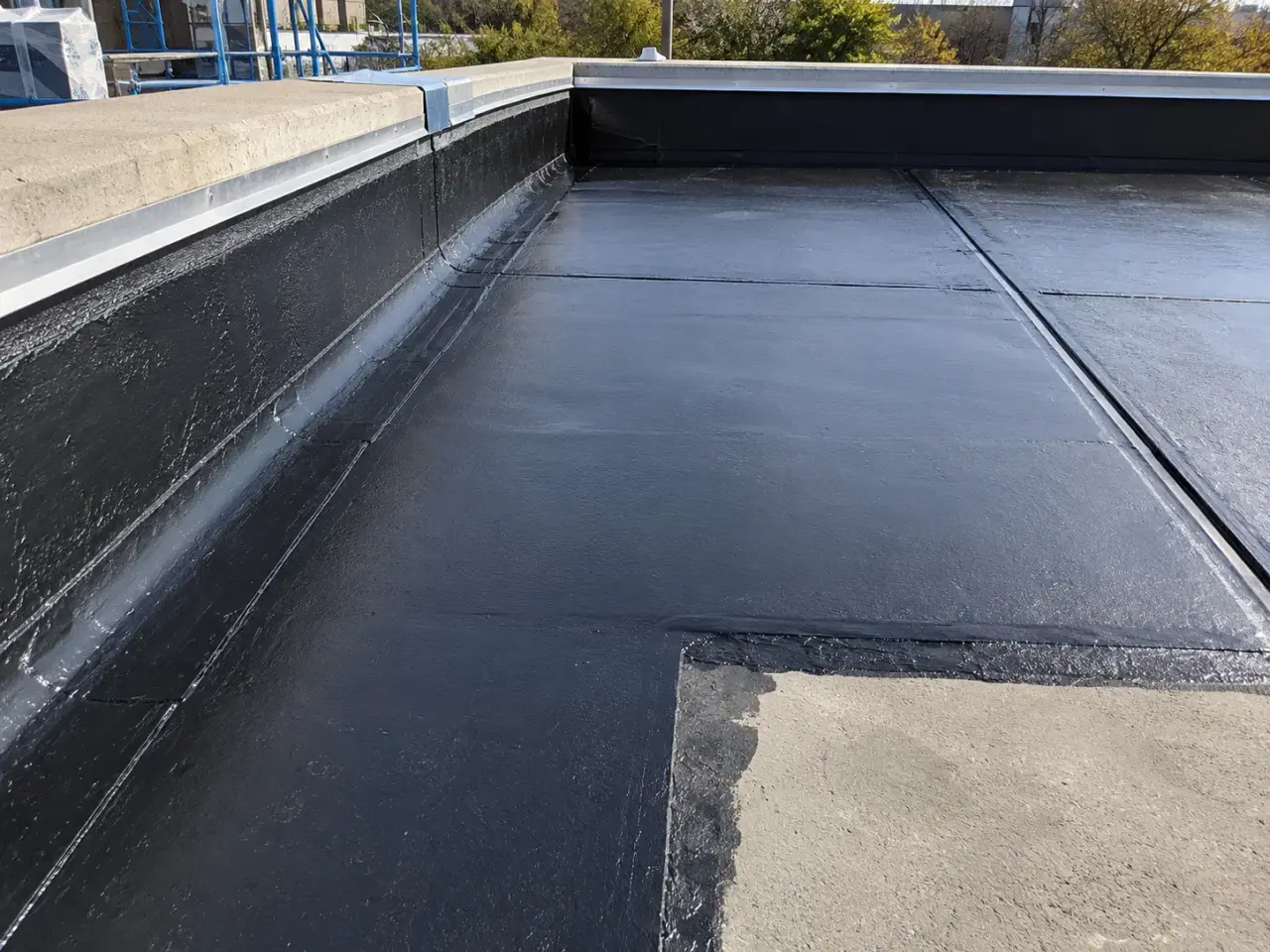
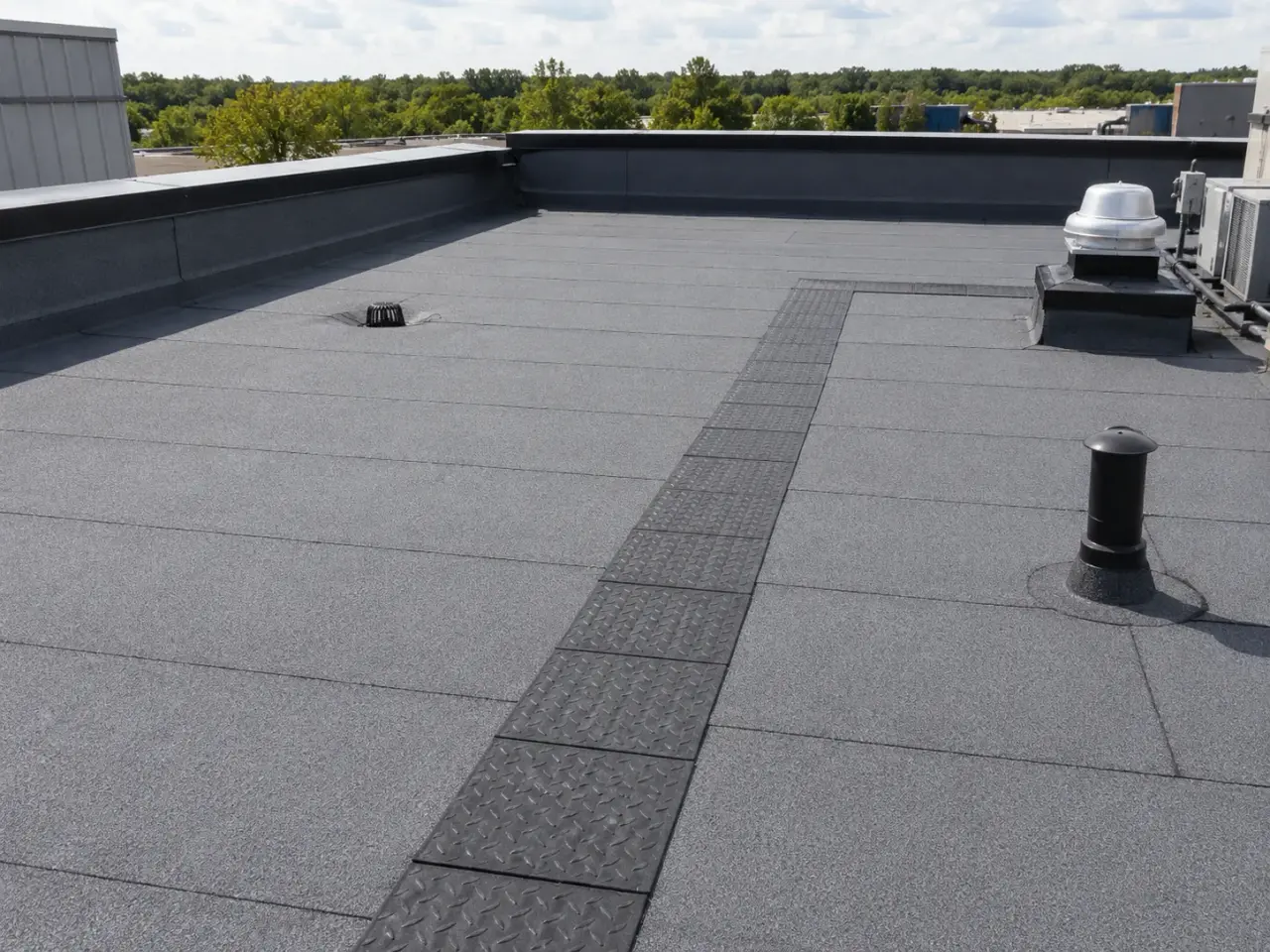
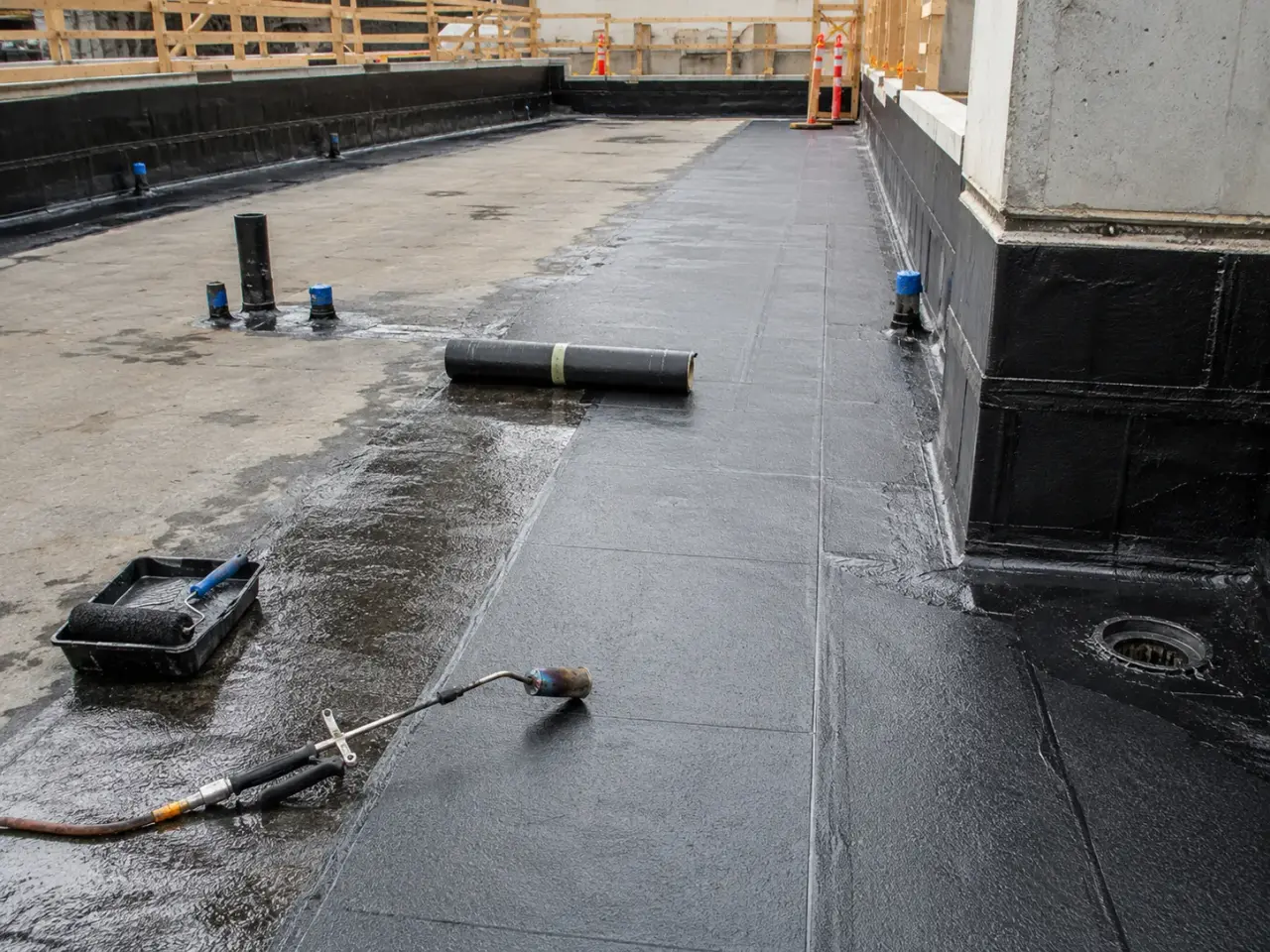
Self-adhered sheets, mechanically fixed or bonded sheets, hot-applied sheets, and torch-on modified bitumen suit different substrates, fire risks, temperatures, and exposures.
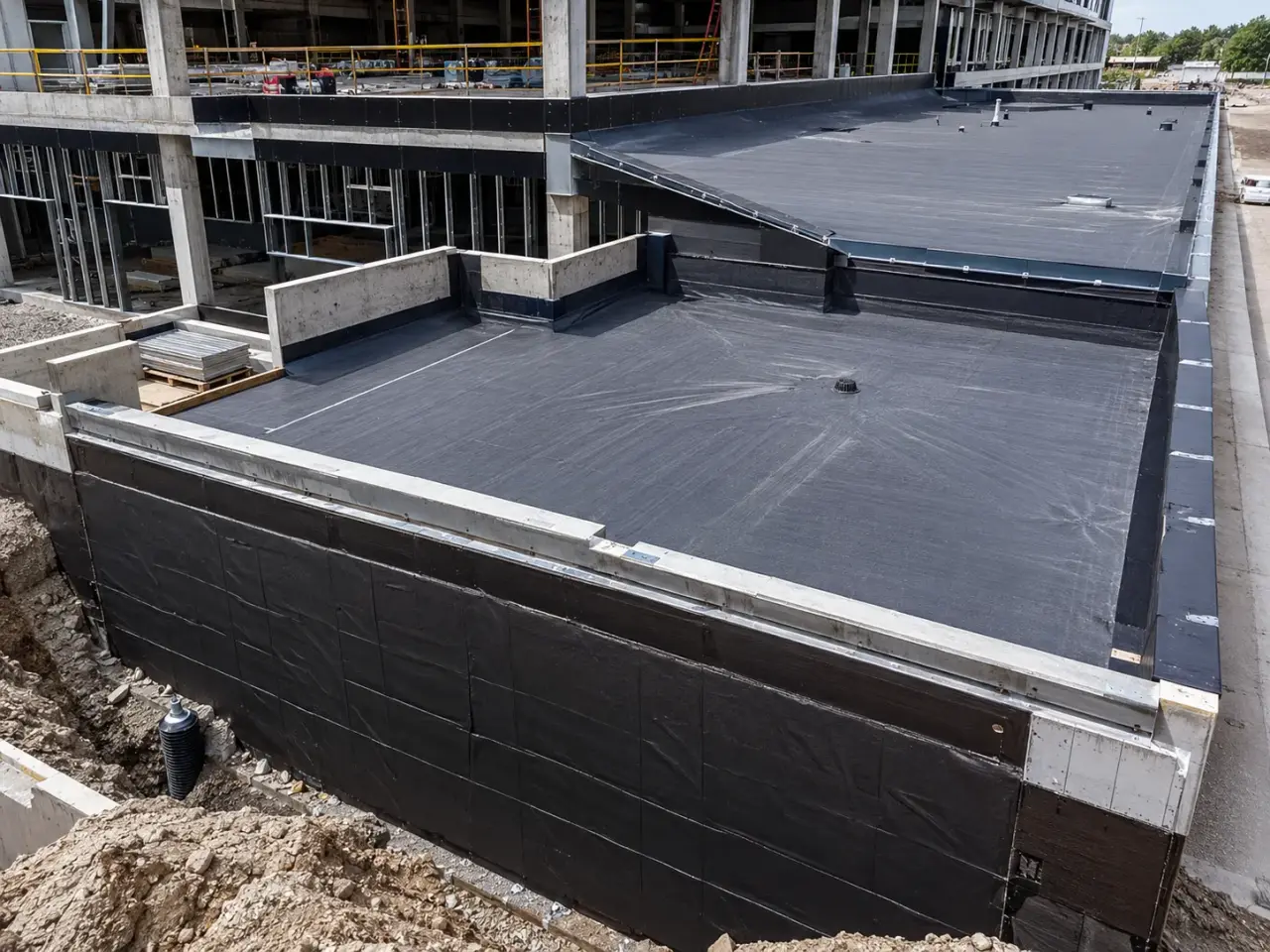
Step 1, Harrowgate builds sheet waterproofing from a smooth compatible substrate through sequenced rolls and closed seams. We plan sheet direction, stagger joints, reinforce details, inspect every lap, terminate the membrane mechanically or within the designed assembly, and protect it immediately after acceptance.
Step 2, Substrate and layout planning. Concrete fins, holes, honeycombs, laitance, sharp corners, old bitumen, oil, and moisture are corrected before priming. Sheet widths and roll lengths are planned around drains, corners, slopes, and access so end laps do not cluster. Work begins at the low point or designed drainage sequence and maintains positive shingle laps where applicable.
Step 3, Primer and detail sheets. Compatible primer is applied evenly and allowed to reach the required tack. Corners, cracks, construction joints, wall-footing lines, drains, pipes, and terminations receive pre-cut reinforcement or flashing sheets. Inside and outside corners are formed without fishmouths, and relief cuts are covered by the required additional layer.
Step 4, Self-adhered sheet placement. Release film is removed progressively while the sheet is aligned without stretching. The membrane is pressed from centre outward and rolled firmly, especially at side and end laps. Air pockets, wrinkles, and contaminated adhesive are cut out and patched with the required extension beyond the defect. Cold-weather grade and primer follow approved limits.
Step 5, Torch-applied placement. For approved hot-work areas, the substrate and rolls are staged under the project hot-work controls. Heat is applied uniformly to the roll and substrate to produce the specified melt and continuous bitumen bead without scorching reinforcement or overheating the sheet. Seams are offset between plies, and sensitive substrates receive the designed separation or base layer.
Step 6, Seams, terminations, and penetrations. Side and end laps follow the approved width, with end joints staggered. T-joints are rolled or heated carefully to avoid capillary openings. Upper edges use termination bars, counterflashings, reglets, or protected transitions. Pipe collars, drain flanges, curbs, and expansion joints connect to compatible manufactured or reinforced details.
Step 7, Inspection, testing, and protection. Seams are probed after cooling where appropriate, and surfaces are reviewed for blisters, fishmouths, voids, punctures, and exposed reinforcement. Flood or electronic testing is completed where specified and compatible. Protection board, drainage composite, cover board, pavers, asphalt, concrete, or soil is installed without dragging across exposed sheets.
Step 8, Harrowgate records sheet type, lot, primer, lap dimensions, weather, substrate, seam method, detail locations, inspection, and repairs. Photographs capture T-joints, corners, drains, penetrations, and terminations before protection. Hot-work documentation and final fire checks are completed under site requirements, and overburden crews receive protected access routes and fastening restrictions.
Planning sheet and torch-on waterproofing in Scarborough? Talk it through with our team.
Self-adhered membrane uses factory-applied adhesive activated by pressure and approved primer, reducing open-flame work. Torch-on modified bitumen is heat-welded to the substrate or base sheet and forms fused seams. Substrate, temperature, geometry, fire risk, exposure, overburden, and the consultant's approved assembly determine which system is appropriate.
Common self-adhered rubberized asphalt foundation sheets are about 1.5 mm thick, while torch-applied modified-bitumen sheets are often around 3 to 4 mm per ply. Multi-ply assemblies add layers. Thickness is only one attribute. Reinforcement, laps, puncture resistance, low-temperature flexibility, bond, and protection are also required.
Lap width is product and orientation specific. Some Canadian self-adhered sheets use roughly 65 mm side and end laps, while modified-bitumen end laps can be wider. Harrowgate marks the required overlap, staggers ends, rolls or fuses every seam, and follows the approved system instead of applying one generic lap dimension.
Only after the project team checks combustible construction, air intakes, access, fire detection, permits, monitoring, and site hot-work restrictions. Some locations require a self-adhered or cold-applied alternative. Where torch work is approved, Harrowgate uses controlled staging, protection, trained application, fire watch, and final area checks.
Applicators visually review bond and continuous bitumen or adhesive contact, roll or tool laps, and probe cooled seams where appropriate. T-joints, corners, patches, and end laps receive focused inspection. Flood or electronic integrity testing can be added where compatible. Defects are cut back or patched onto clean sound membrane.
Ordinary field sheet cannot be stretched flat across a joint expected to move. The assembly requires a designed loop, bellows, reinforced flexible transition, joint cover, or manufactured system that connects to the waterproofing on both sides. Harrowgate installs the engineered detail and keeps the joint mechanically independent from the field membrane.
Provide plans, sheet and primer specification, ply count, substrate, lap and flashing details, cracks and joints, drains, penetrations, upper terminations, testing, protection, drainage, overburden, winter conditions, hot-work restrictions, and phasing. Harrowgate measures field rolls and detail sheets separately and includes access, inspection, and protection.
Pressure and inspection confirm continuous adhesion and expose fishmouths, contamination, cold seams, or voids before protection covers them.
Combustible assemblies, concealed voids, occupied risk, restricted fire controls, or incompatible substrates can require a non-flame method under the design.
Still have a question about sheet and torch-on waterproofing in Scarborough? Ask our team directly.
Commercial and heavy-civil construction delivered for developers, contractors, property managers, and municipalities.
Send drawings, a site plan, or a description of the scope. Harrowgate Group is licensed, insured, and WSIB-covered.
Licensed, Insured & WSIB-Covered, work managed and documented on every job
Tell us what you need and we’ll get you a quote.
Harrowgate Group provides sheet and torch-on waterproofing, delivered and installed with quote-ready support across Toronto and surrounding Ontario communities.
Companies We've Worked With
Harrowgate Group delivers commercial and heavy-civil construction for developers, contractors, institutions, municipalities, and property groups across Ontario.
 Popeyes
  Tim Hortons
  Subway
  University of Toronto
  Madison Group
  RioCan
  Women's College Hospital
  Starbucks
  Mazda
Mazda  TD Bank
  City of Toronto Popeyes Tim Hortons Subway University of Toronto Madison Group RioCan Women's College Hospital Starbucks Mazda TD Bank City of Toronto