
Built to spec
Built to your engineered drawings, survey, and the real site conditions, not a one-size-fits-all approach forced to fit.
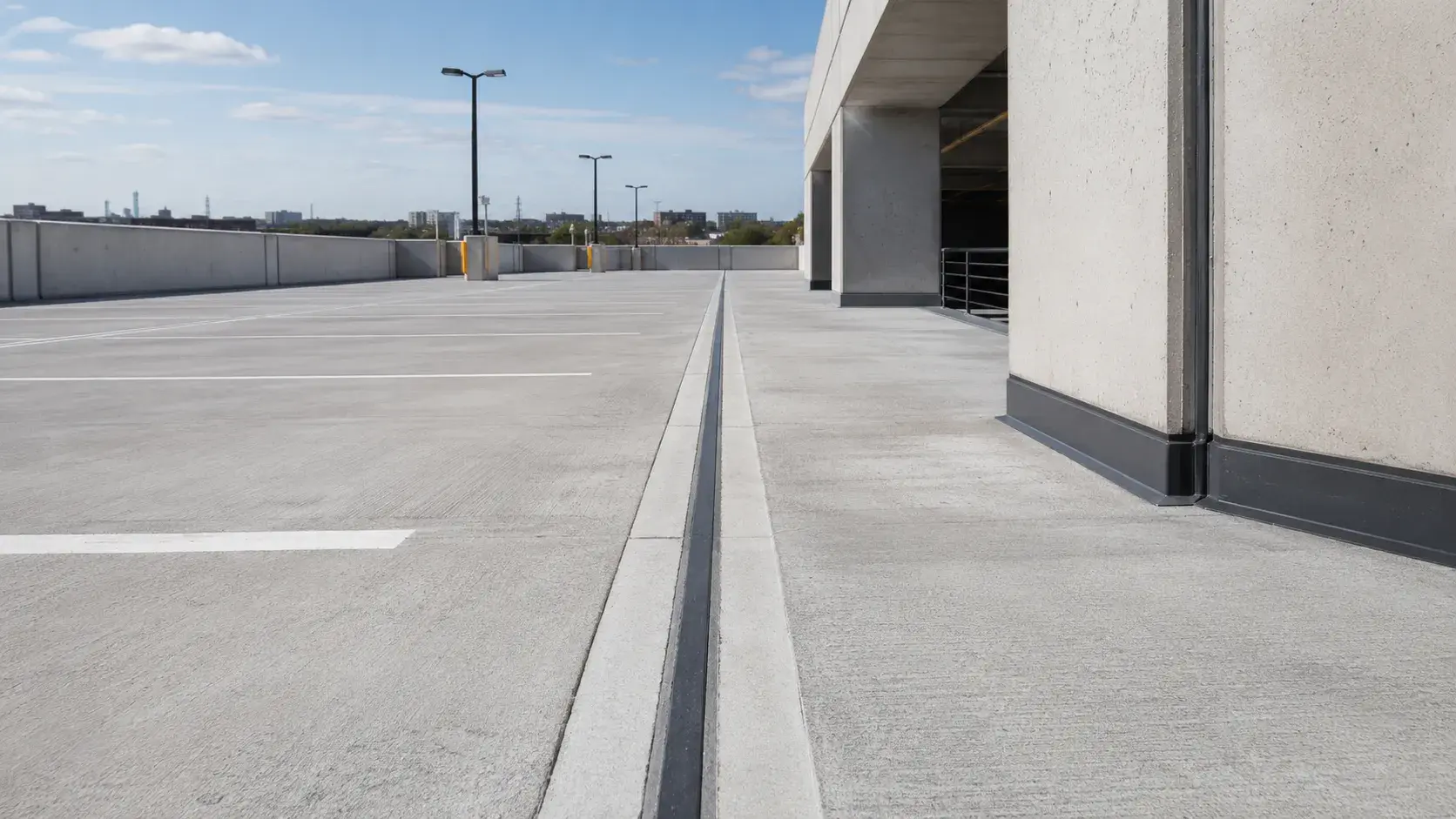
Sealant and Caulking in Richmond Hill is the application of joint sealants and caulking that keep water and air out of concrete and building joints.
Tell us what you need and we’ll get you a quote.
Licensed, insured & WSIB-covered · Free, no-obligation quote & on-site assessment.
Built to your engineered drawings, survey, and the real site conditions, not a one-size-fits-all approach forced to fit.
Durable materials and methods chosen for the load, traffic, and environment on site.
Send specs, drawings, or photos and get a free, no-obligation site visit and estimate with no guesswork.
Installation and site work completed in accordance with Ontario requirements.
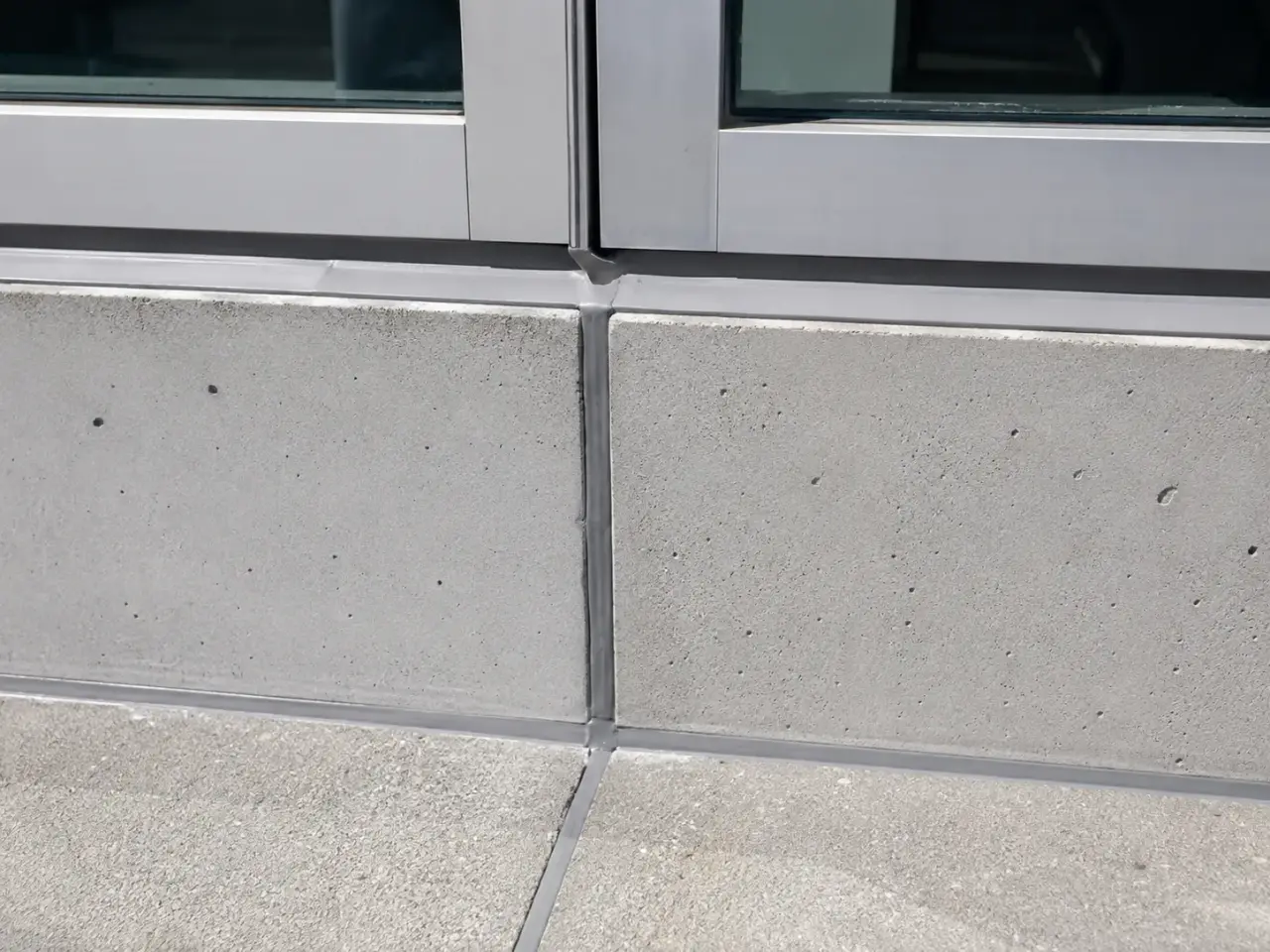
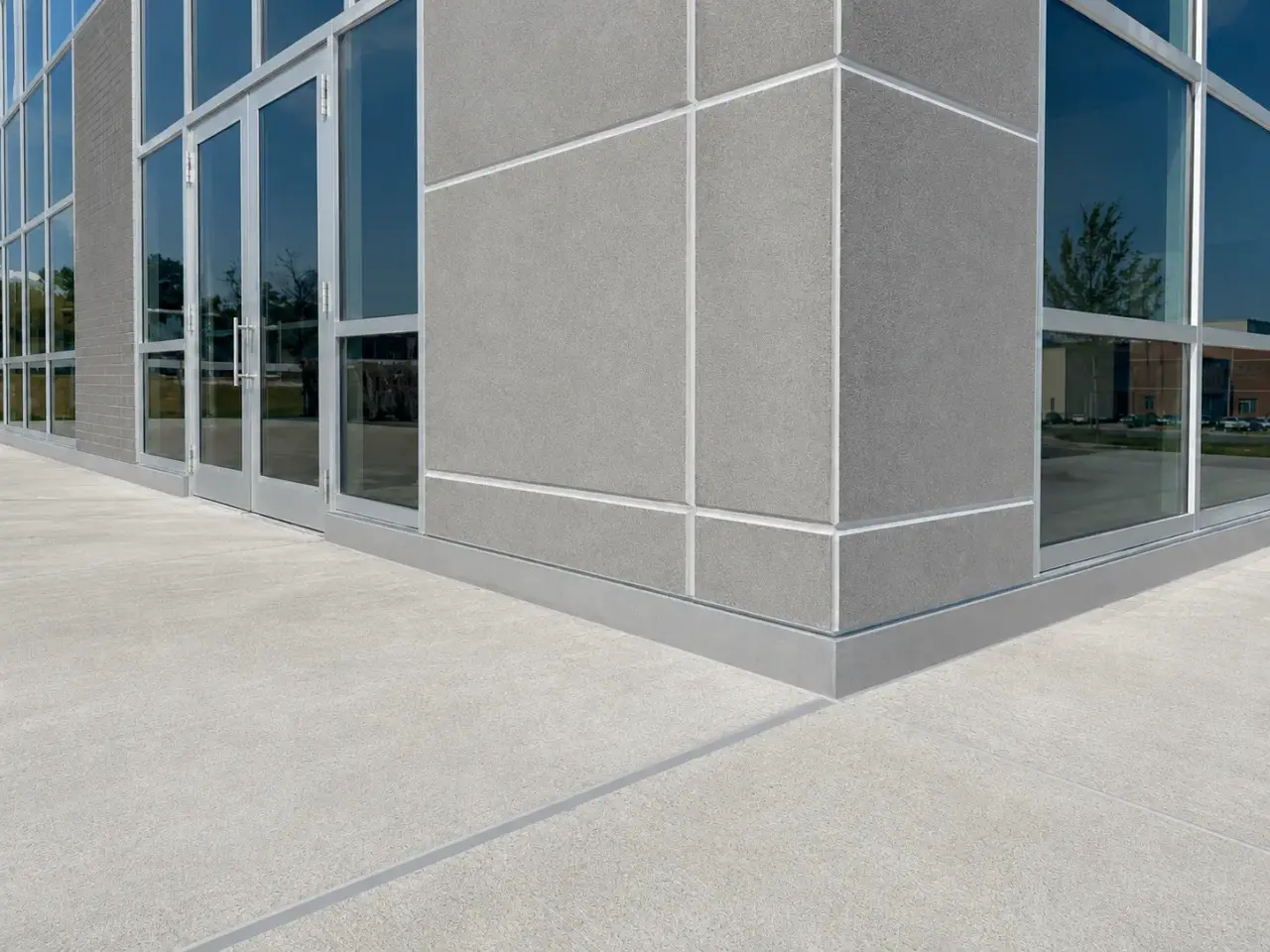
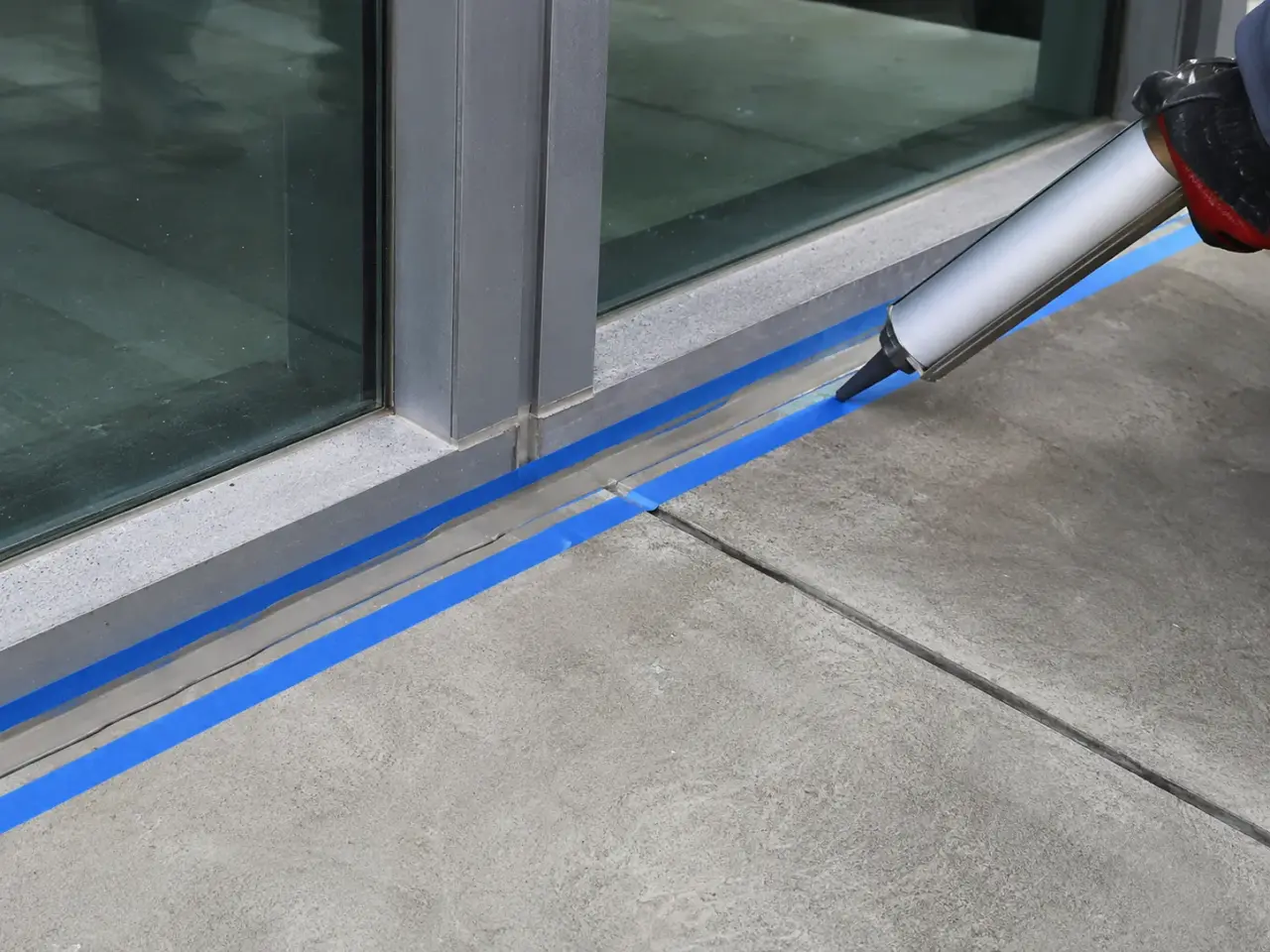
Silicone, polyurethane, hybrid, polysulfide, fire-rated, traffic, and specialty sealants differ in movement, adhesion, weather, immersion, chemical, paint, and substrate compatibility.
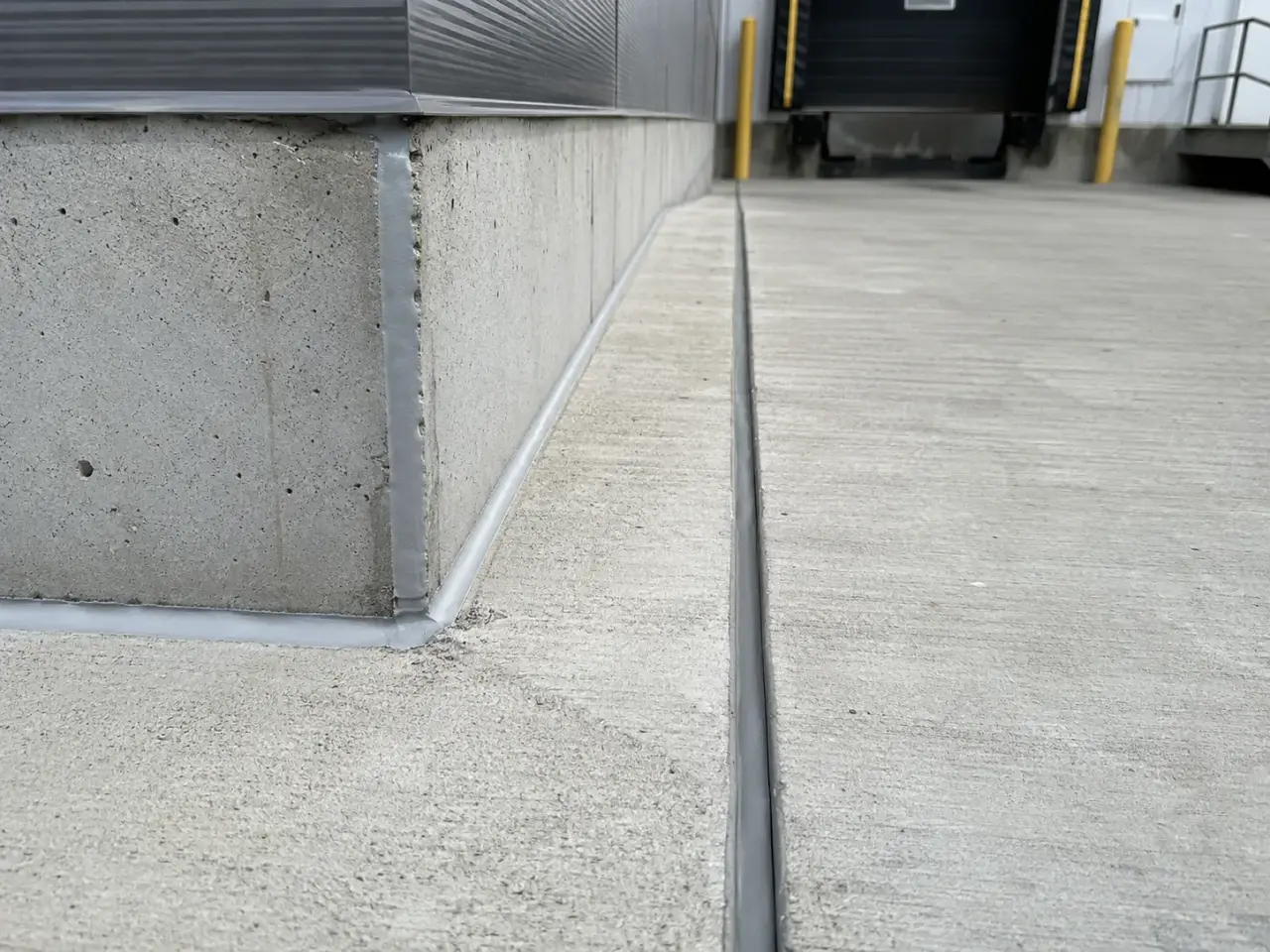
Step 1, We build a clean two-sided bond with controlled sealant depth. Existing material and residue are removed to sound substrate, the joint is dried and repaired, backer rod or bond breaker establishes geometry, and the mixed or one-part sealant is installed within its temperature and cure limits.
Step 2, Work stage 1. We survey open joints, splits, adhesive pull-away, cohesive tears, staining, hardening, soft sealant, missing backer, water paths, and substrate cracks. Test cuts reveal depth and whether the old material bonded on two or three sides.
Step 3, Work stage 2. Old sealant is cut out mechanically without damaging metal finishes, membranes, glass edges, or precast arrises. Residue is removed with tools and cleaners approved for the new system and substrate.
Step 4, Work stage 3. Spalled concrete, weak mortar, corroded edges, and failed coatings are repaired before sealing. Joint faces must be parallel and strong enough to carry movement without pulling off a thin surface layer.
Step 5, Work stage 4. Closed-cell backer rod is inserted without puncture to set depth, or bond-breaker tape is used where the recess is too shallow. Rod splices are tight and corner geometry remains continuous.
Step 6, Work stage 5. Primer is applied where the manufacturer and field adhesion test require it. Sealant is gunned from the bottom to avoid air pockets, then tooled to wet both faces and create the specified concave or flush profile.
Step 7, Work stage 6. The joint is protected from rain, dust, cleaning, paint, and movement through initial cure. Masking is removed cleanly, adhesion checks are completed, and lifts or access controls remain until the work area is safe.
Planning sealant and caulking in Richmond Hill? Talk it through with our team.
Sealant work follows the Ontario Building Code air and water-control design, approved Canadian product data, project details, and substrate manufacturer's requirements. Joint width, depth, primer, backer, movement rating, temperature, moisture, compatibility, tooling, and cure are treated as measurable installation controls.
Control point 1. A moving joint needs enough width for the expected expansion and contraction. Sealant depth is usually controlled by backer rod to create a section that stretches, rather than a deep solid plug that restricts movement.
Control point 2. Closed-cell backer rod resists water absorption and prevents three-sided adhesion. It is selected larger than the opening, installed with blunt tools, and kept below the final surface by the specified depth.
Control point 3. Primer is substrate-specific and has an open time. Applying sealant too early, too late, or over pooled primer can reduce bond, so time and coverage are managed by work area.
Control point 4. Silicone is often selected for ultraviolet exposure and glazing or metal interfaces, while polyurethane and hybrid systems suit many concrete and traffic-adjacent joints. Compatibility and approved use govern, not colour alone.
Control point 5. Multi-component sealants require complete mixing at the stated ratio and within pot life. Partial units and unmeasured field additions are not used because cure and movement properties depend on proportion.
Control point 6. Field adhesion trials are completed on representative concrete, masonry, coated metal, or other substrates. The test confirms cleaning, primer, and cohesive behaviour before long production runs are accepted.
The terms are often used together, but project work is selected by joint movement, substrate, exposure, and performance. Commercial sealants are engineered elastomeric materials such as silicone, polyurethane, or hybrids. Harrowgate treats every bead as a designed joint with preparation, backer, primer, geometry, and cure, rather than relying on a generic tube product.
Backer rod sets sealant depth, supports tooling, and prevents adhesion to the joint bottom. That creates two-sided bond so the sealant can stretch between faces. Closed-cell rod also resists water absorption. Harrowgate selects an oversize diameter, installs it without puncture, and keeps splices and corners continuous before priming.
No reliable replacement leaves failed material and residue in the bond line. Harrowgate cuts out the old bead, removes residue to sound substrate, repairs weak edges, and confirms compatibility. A thin cap over aged sealant inherits its poor adhesion, unknown chemistry, dirt, and geometry, and it usually fails at the same interface.
A representative field joint is prepared with the planned cleaner, primer, backer, and sealant. After the required cure, a controlled pull exposes whether failure is adhesive at the substrate or cohesive within the sealant. Results are recorded and preparation is adjusted until the system bonds properly before large production areas proceed.
There is no universal best product. Silicone often performs well under ultraviolet exposure and at glazing or metal, while polyurethane and hybrid materials suit many concrete and traffic-adjacent joints. Movement, immersion, paint, chemicals, substrate, primer, colour, and adjacent membrane compatibility determine the approved selection for each joint type.
Splitting can come from movement beyond capacity, a narrow or deep joint, three-sided adhesion, early movement, or aged material. Pull-away points to contamination, moisture, weak substrate, missed primer, or incompatibility. Harrowgate opens the joint and identifies the failure surface before choosing material and rebuilding the geometry.
Yes. Elevations and facade bays are divided by access, weather, joint continuity, and cure. Interior or floor work is phased around production, cleaning, and traffic. Harrowgate protects open joints from rain and debris, keeps unfinished terminations watertight, and reopens each area only after the sealant and repaired substrate can accept service.
It controls sealant depth, supports tooling, and prevents three-sided adhesion so the cured bead can stretch across two bonded faces.
Field pull tests or project-specific adhesion checks assess prepared substrates, primer, cure, and failure mode before and during production.
Still have a question about sealant and caulking in Richmond Hill? Ask our team directly.
Commercial and heavy-civil construction delivered for developers, contractors, property managers, and municipalities.
Send drawings, a site plan, or a description of the scope. Harrowgate Group is licensed, insured, and WSIB-covered.
Licensed, Insured & WSIB-Covered, work managed and documented on every job
Tell us what you need and we’ll get you a quote.
Harrowgate Group provides sealant and caulking, delivered and installed with quote-ready support across Toronto and surrounding Ontario communities.
Companies We've Worked With
Harrowgate Group delivers commercial and heavy-civil construction for developers, contractors, institutions, municipalities, and property groups across Ontario.
 Popeyes
  Tim Hortons
  Subway
  University of Toronto
  Madison Group
  RioCan
  Women's College Hospital
  Starbucks
  Mazda
Mazda  TD Bank
  City of Toronto Popeyes Tim Hortons Subway University of Toronto Madison Group RioCan Women's College Hospital Starbucks Mazda TD Bank City of Toronto