Built to spec
Built to your engineered drawings, survey, and the real site conditions, not a one-size-fits-all approach forced to fit.
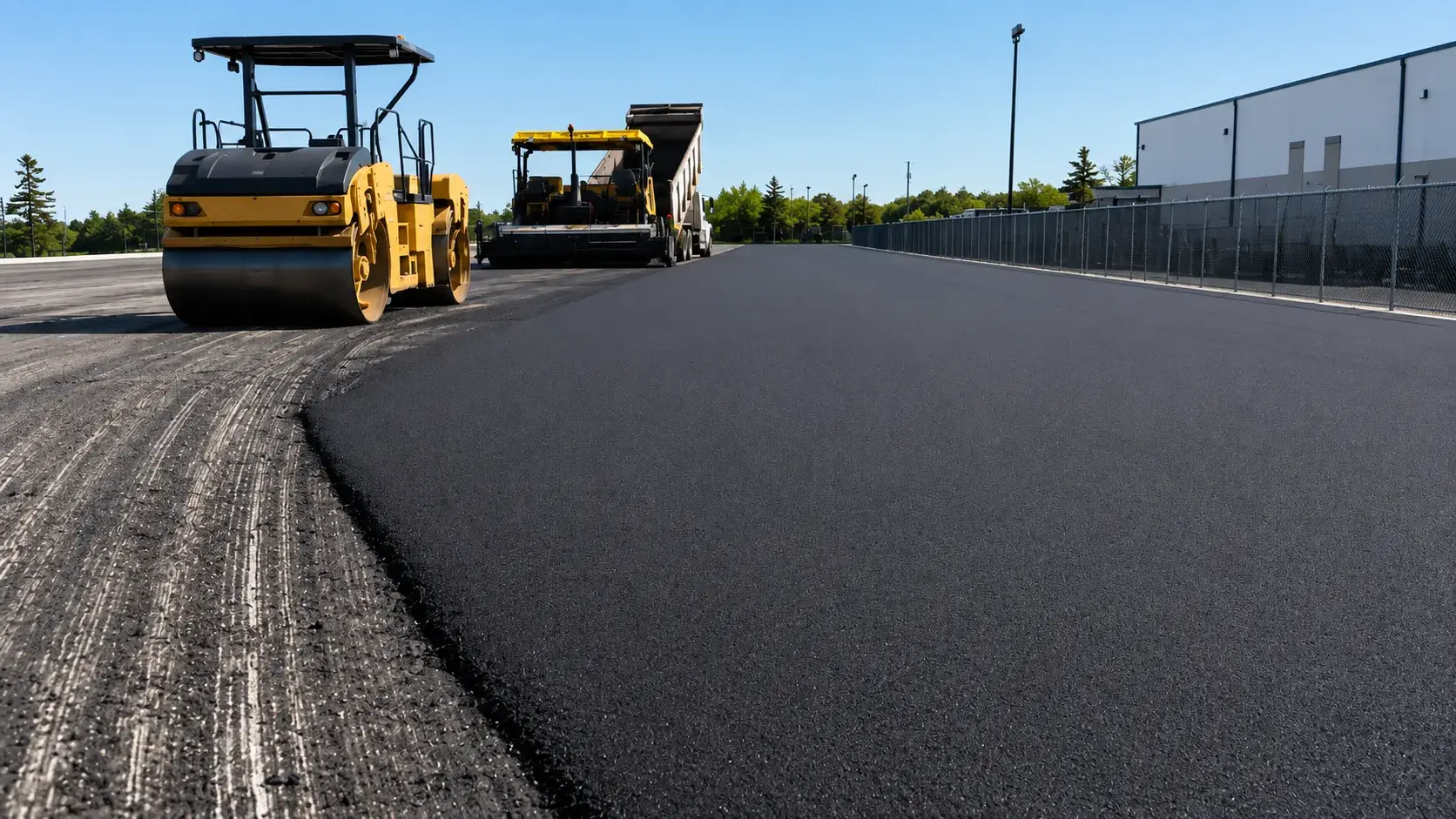
Repaving and Resurfacing in Richmond Hill is the removal or overlay and repaving of worn asphalt and concrete surfaces to restore lots, roads, and yards.
Tell us what you need and we’ll get you a quote.
Licensed, insured & WSIB-covered · Free, no-obligation quote & on-site assessment.
Built to your engineered drawings, survey, and the real site conditions, not a one-size-fits-all approach forced to fit.
Durable materials and methods chosen for the load, traffic, and environment on site.
Send specs, drawings, or photos and get a free, no-obligation site visit and estimate with no guesswork.
Installation and site work completed in accordance with Ontario requirements.
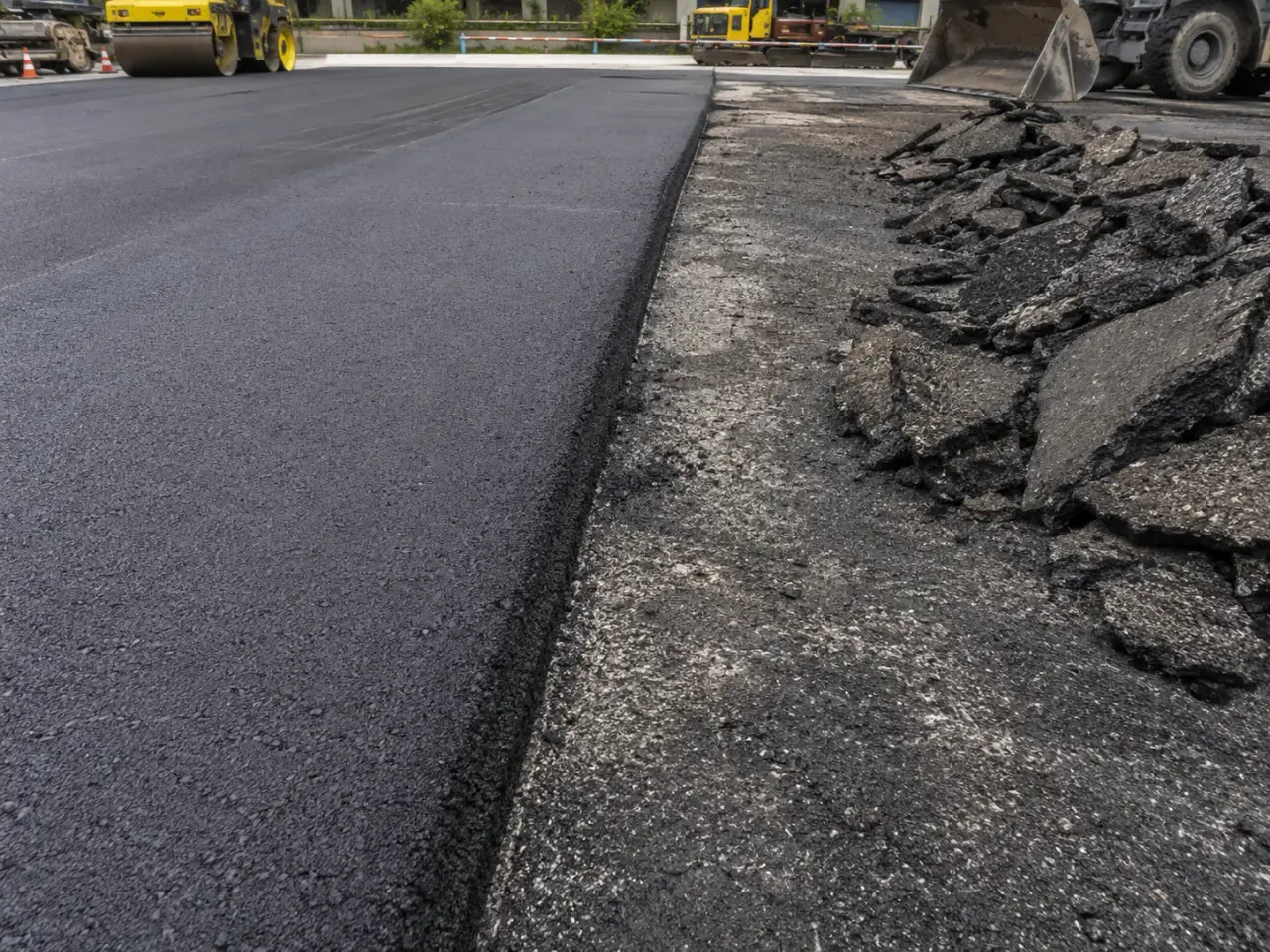
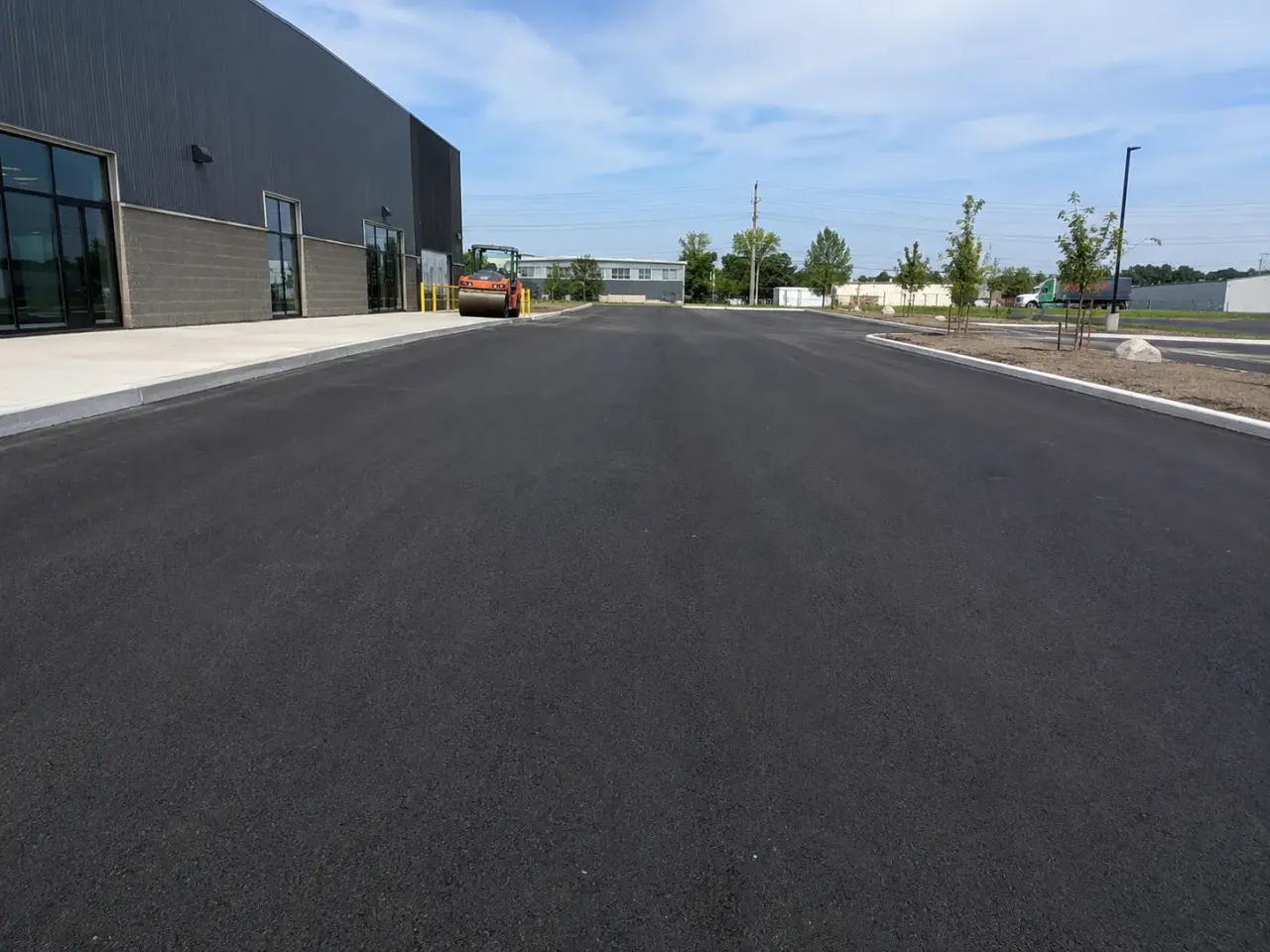
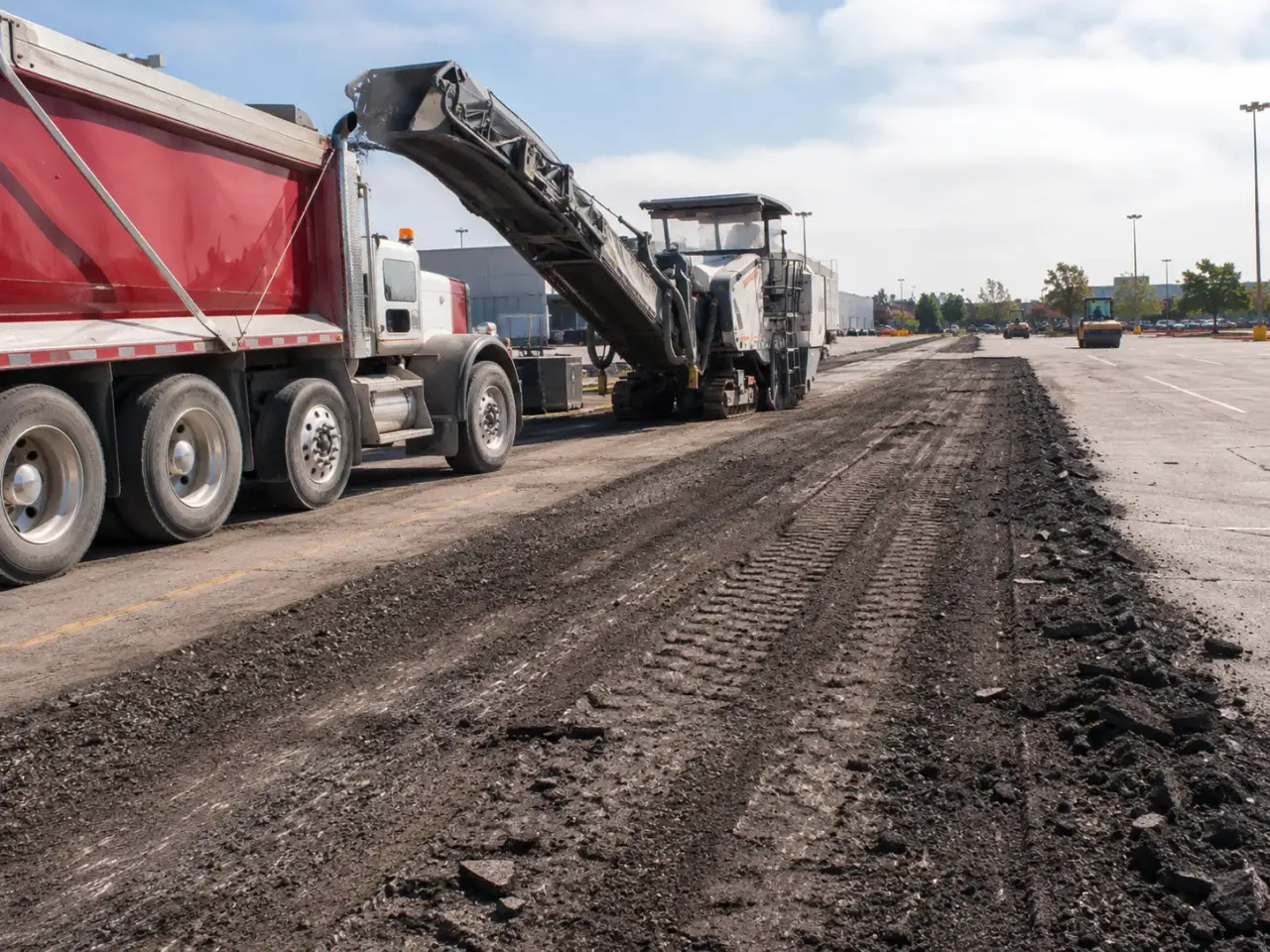
Overlay, milling and overlay, full-depth patching, and reconstruction suit progressively deeper distress; drainage and fixed elevations decide whether added pavement can perform.
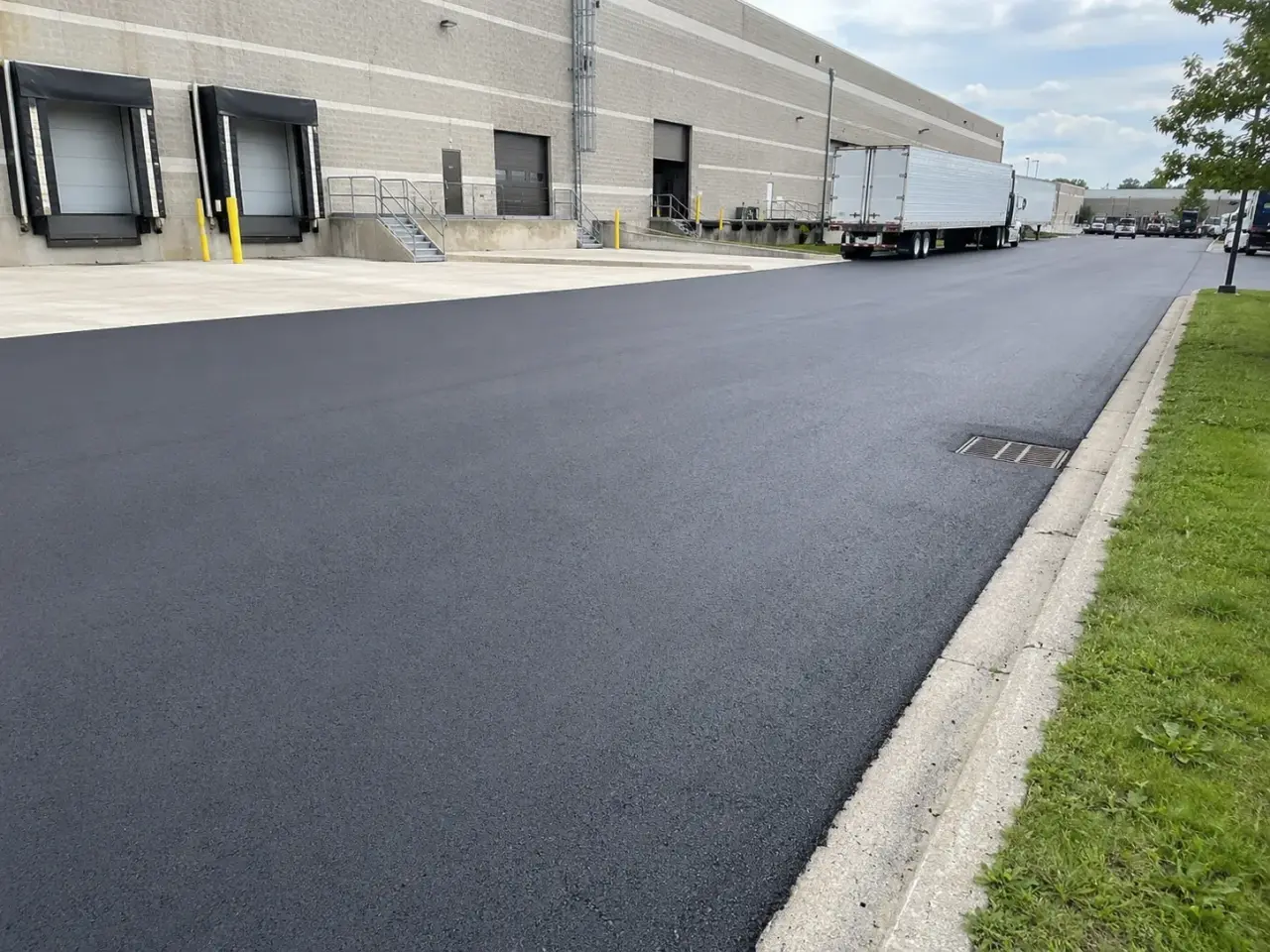
Step 1, We design the construction sequence around what remains in service. Survey, cores, drainage checks, and proof observations define milling depths and base repairs, then structures and tie-ins are set to finished grade before continuous paving and density control.
Step 2, Work stage 1. We measure pavement thickness and crossfall, core representative areas, inspect drainage, and mark alligator cracking, rutting, shoving, utility cuts, and settlement. Distress that moves under load is separated from surface oxidation and transverse thermal cracking.
Step 3, Work stage 2. Limits are laid out to provide straight joints and practical paver runs. Milling removes the specified lift, creates vertical tie-ins, exposes hidden weak areas, and leaves a textured surface that is swept clean before repairs or tack coat.
Step 4, Work stage 3. Localized soft zones are cut and excavated to stable material. We replace failed subgrade or granular base in compacted lifts, install subdrain corrections where designed, and patch with the required asphalt layers before general resurfacing.
Step 5, Work stage 4. Catch basins, maintenance holes, valve boxes, curbs, and trench drains are adjusted to the final profile. Depressed or raised hardware is resolved before surface paving so rollers and pavers can maintain uniform grade around each structure.
Step 6, Work stage 5. A calibrated distributor applies tack coat as a thin, unbroken film. The paver receives covered trucks continuously, controls head of material and screed elevation, and places each lift without tearing, segregation, or cold stops.
Step 7, Work stage 6. Breakdown, intermediate, and finish rolling follow the mix temperature window and test strip. We check density, joints, smoothness, drainage, and finished elevations, then restore markings only after the surface has cooled and accepted traffic.
Planning repaving and resurfacing in Richmond Hill? Talk it through with our team.
Resurfacing follows the approved pavement design and applicable OPSS or municipal specifications. Where required, the applicable local municipal specification controls hot mix paving and the applicable local municipal specification controls tack coat, including surface preparation, residual application rate, cure, compaction, air voids, and quality testing.
Control point 1. the applicable local municipal specification lists minimum compaction of 91 percent of maximum relative density for SP 19.0 and SP 25.0 mixes, and 92 percent for other listed mixes. Project specifications may be more stringent and govern the accepted lot.
Control point 2. the applicable local municipal specification identifies acceptable laboratory air voids of 2.5 to 4.5 percent for Superpave mixes and 3.0 to 5.0 percent for stone-matrix mixes. Mix selection still depends on traffic, lift thickness, aggregate size, and designer requirements.
Control point 3. the applicable local municipal specification provides residual tack ranges of 0.090 to 0.200 L/m2 for new asphalt, 0.180 to 0.320 L/m2 for existing asphalt, and 0.180 to 0.360 L/m2 for milled surfaces. Actual rate is set within the project range for surface texture.
Control point 4. Lift thickness must be compatible with nominal aggregate size and compaction equipment. Thin lifts cool quickly and can bridge low spots, while overly thick lifts can move under rollers or retain heat. We follow the approved pavement section rather than averaging thickness across the site.
Control point 5. Longitudinal and transverse joints are built against clean, compacted edges with sufficient hot material for density. Tie-ins are milled or sawcut, tacked, compacted, and sealed where specified to prevent water entry and edge ravelling.
Control point 6. City of Toronto asset guidance distinguishes overlay, one-lift mill-and-pave, two-lift rehabilitation, and reconstruction, with increasing intervention as structural distress grows. We use condition and cores, not an assumed service-life number, to choose the treatment.
No. Resurfacing renews one or more asphalt lifts while retaining serviceable portions of the pavement structure. Full replacement removes asphalt and failed granular or subgrade. Harrowgate uses cores, proof observations, drainage review, and distress mapping to separate surface deterioration from structural failure, then includes full-depth repairs only where the support system has failed.
Isolated thermal cracks can be routed or sealed and local fatigue areas can be repaired before resurfacing. Widespread alligator cracking, pumping, deep rutting, or settlement indicates base or subgrade failure and cannot be corrected by an overlay alone. Those zones are excavated and rebuilt, or the site is moved to a reconstruction scope.
An overlay places new asphalt over a prepared existing surface and raises finished grade. Mill-and-pave removes a controlled depth first, allowing oxidized material, ruts, and high points to be removed while preserving curb and structure elevations. Milling also creates sound tie-ins. The selected method depends on condition, drainage, clearances, and pavement thickness.
We divide the property into paver-sized phases, establish temporary routes, maintain emergency and loading access, and communicate closure and cure times. Milling, base repairs, structure adjustments, tack, paving, rolling, cooling, and marking are sequenced within each zone. Temporary transitions are built at safe locations and removed when the next phase begins.
The project specification governs. the applicable local municipal specification, for example, lists minimum pavement compaction of 91 percent of maximum relative density for SP 19.0 and SP 25.0 and 92 percent for other listed mixes. Harrowgate establishes a roller pattern and uses field testing or cores as specified to confirm each lot.
Tack coat bonds the new asphalt lift to the existing or milled surface so traffic shear is transferred through the pavement rather than sliding at the interface. The surface must be clean and dry, the emulsion must form a uniform film, and paving must wait until it has broken and reached the specified tack condition.
The mat must cool enough to resist scuffing, rutting, and steering damage, and all joints, structures, and temporary edges must be safe. Release time varies with lift thickness, air temperature, pavement temperature, mix, and vehicle loading. Harrowgate reopens each phase after cooling and acceptance, with heavy turning traffic controlled longer where needed.
Milling restores clearance at curbs, drains, doors, bridges, and tie-ins, removes distressed material, and creates a controlled profile when a simple overlay would raise grades.
No. Active structural, thermal, joint, and base-related cracks can reflect through; the rehabilitation design identifies routing, repair, interlayers, or reconstruction.
Still have a question about repaving and resurfacing in Richmond Hill? Ask our team directly.
Commercial and heavy-civil construction delivered for developers, contractors, property managers, and municipalities.
Send drawings, a site plan, or a description of the scope. Harrowgate Group is licensed, insured, and WSIB-covered.
Licensed, Insured & WSIB-Covered, work managed and documented on every job
Tell us what you need and we’ll get you a quote.
Harrowgate Group provides repaving and resurfacing, delivered and installed with quote-ready support across Toronto and surrounding Ontario communities.
Companies We've Worked With
Harrowgate Group delivers commercial and heavy-civil construction for developers, contractors, institutions, municipalities, and property groups across Ontario.
 Popeyes
  Tim Hortons
  Subway
  University of Toronto
  Madison Group
  RioCan
  Women's College Hospital
  Starbucks
  Mazda
Mazda  TD Bank
  City of Toronto Popeyes Tim Hortons Subway University of Toronto Madison Group RioCan Women's College Hospital Starbucks Mazda TD Bank City of Toronto