
Built to spec
Built to your engineered drawings, survey, and the real site conditions, not a one-size-fits-all approach forced to fit.
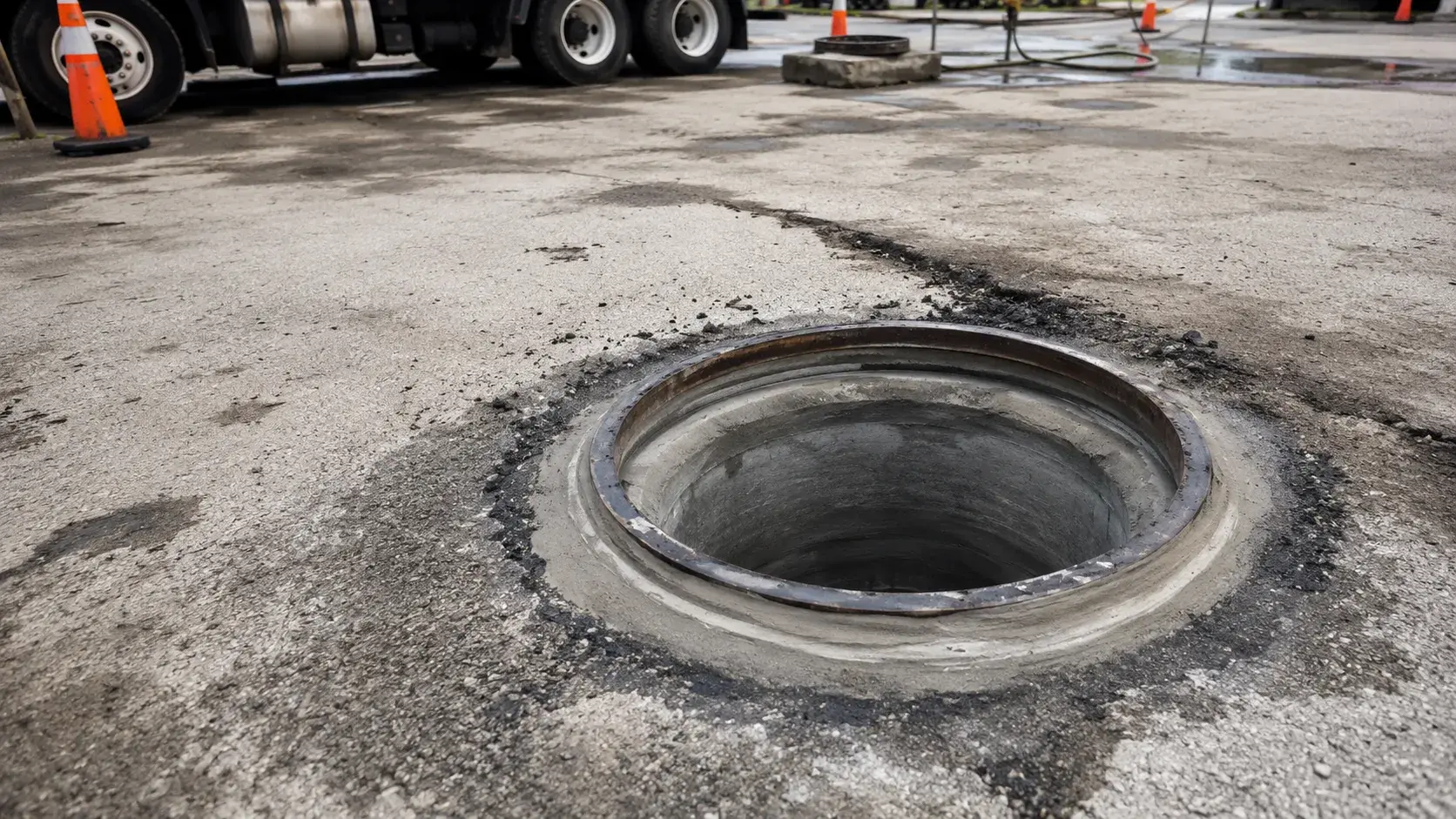
Restore deteriorated sewer manholes with controlled flow, substrate repair, monolithic lining, frame and bench work, and documented acceptance.
Tell us what you need and we’ll get you a quote.
Licensed, insured & WSIB-covered · Free, no-obligation quote & on-site assessment.
Built to your engineered drawings, survey, and the real site conditions, not a one-size-fits-all approach forced to fit.
Durable materials and methods chosen for the load, traffic, and environment on site.
Send specs, drawings, or photos and get a free, no-obligation site visit and estimate with no guesswork.
Installation and site work completed in accordance with Ontario requirements.
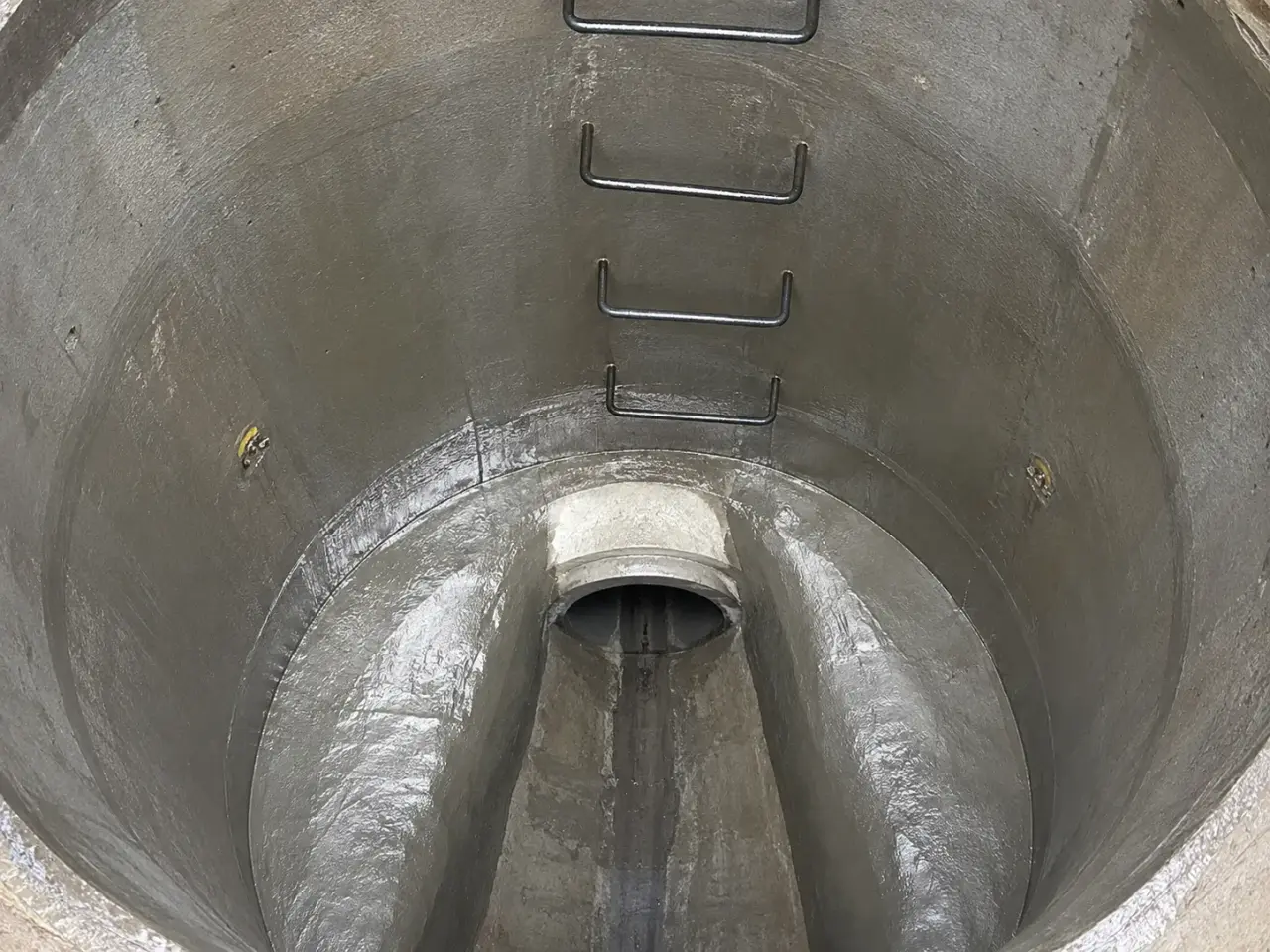
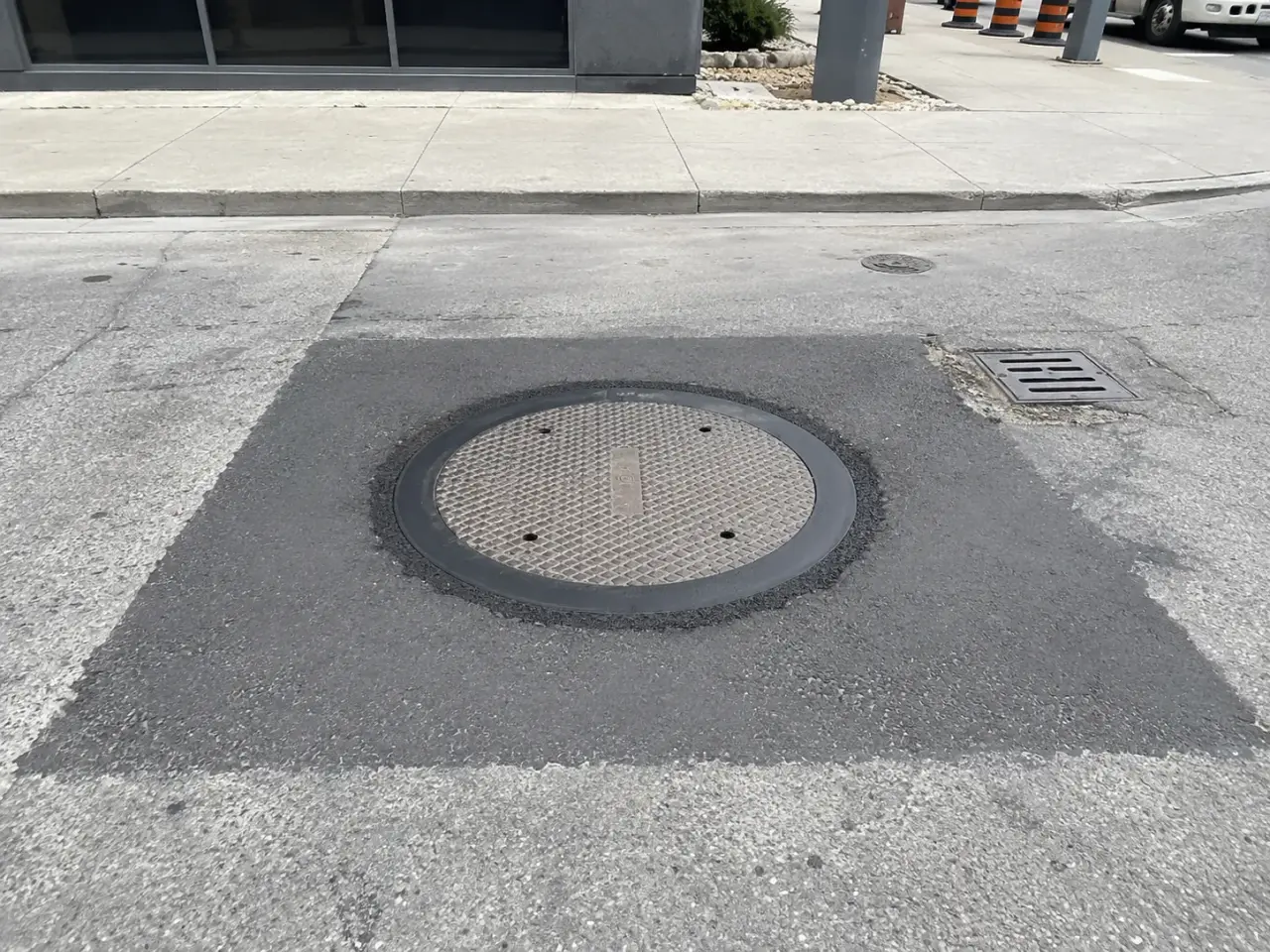
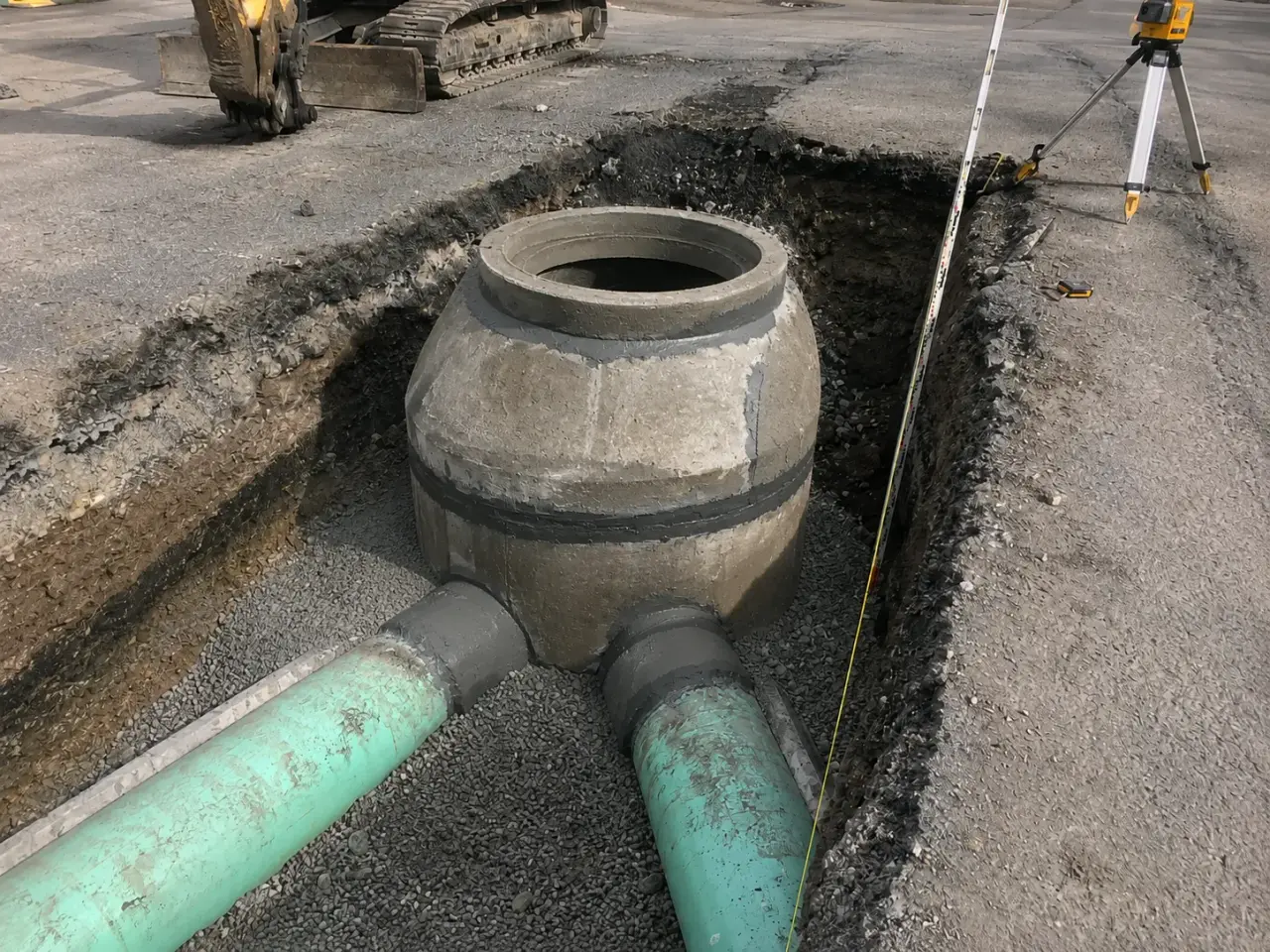
Localized mortar repair rebuilds isolated voids, joints, benching, and channels. Chemical grout can control selected active infiltration paths behind the wall. Bonded cementitious, geopolymer, epoxy, polyurethane, or composite linings provide different corrosion, moisture, bond, cure, and thickness performance. Structural inserts or complete replacement are used where the host cannot provide the required support. Method selection follows material, geometry, groundwater, corrosion, loading, connection condition, and structural objective.
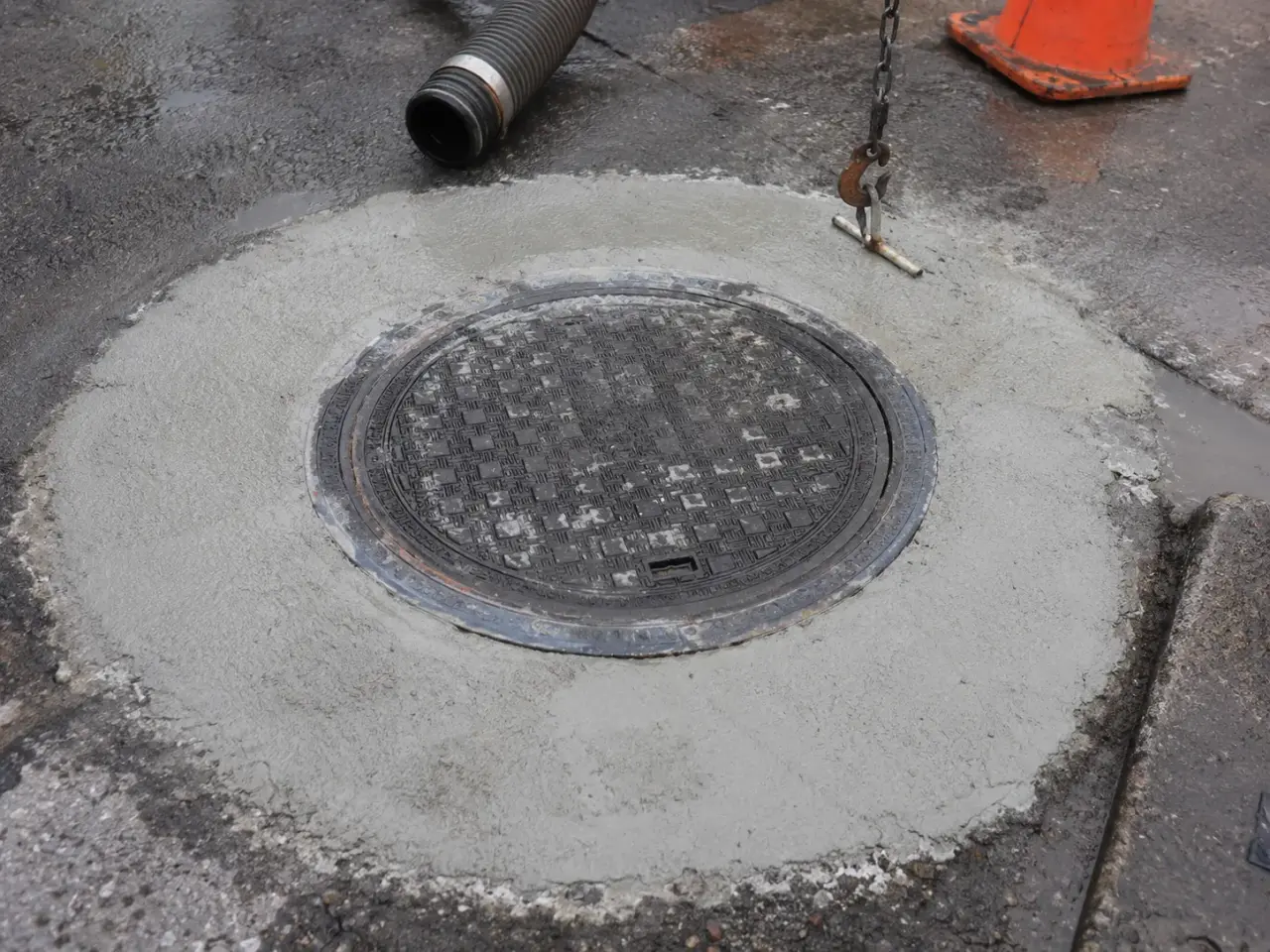
Step 1,
Step 2, Condition assessment records the structure type, diameter, depth, incoming and outgoing pipes, flow, groundwater, steps or ladder, frame condition, cracks, missing mortar, corrosion depth, infiltration, exposed reinforcement, bench and channel geometry, and any existing sewer liner. Digital scanning can support irregular brick or rectangular structures. We compare the field dimensions with contract information because liner thickness and hydrostatic demand depend on actual geometry and groundwater head.
Step 3, Before entry, the manhole is treated as a confined space under Ontario requirements. The work uses a written program, hazard assessment, entry plan and permit, atmospheric testing, isolation, ventilation, attendant, communications, access equipment, and on-site rescue procedure. Traffic protection and cover security are established above. Sewer flow is plugged, diverted, or bypass pumped to keep the work zone controlled and to prevent washout, contamination of repair materials, and uncontrolled surcharge.
Step 4, Cleaning begins with removal of grease, sediment, loose brick, corroded mortar, laitance, failed coating, and unsound concrete. High-pressure water prepares a clean, open profile without polishing it. Active infiltration is stopped with the specified grout or rapid-setting repair material. Voids are filled, missing mortar joints are repointed flush, pipe penetrations are rebuilt, exposed metal is treated as designed, and benching and channels are reshaped to maintain flow. Defective steps and ladders are removed before lining.
Step 5, The prepared substrate is inspected for soundness, profile, cleanliness, temperature, and moisture. Bonded systems require a dry surface with no visible dampness unless the approved material explicitly permits another condition. We proportion, mix, and spray the lining with equipment suited to the system, apply the specified lifts within recoat windows, and use wet-film gauges, pins, or another approved method to check thickness.
The coating is continuous through penetrations and tied into sewer liners where present. After cure, we inspect for pinholes, cracks, delamination, runs, exposed substrate, sharp transitions, and leakage. Required adhesion tests and repairs are completed before new access components and the cover assembly are reinstated.
Planning manhole rehabilitation? Talk it through with our team.
Maintenance-hole rehabilitation follows the issued sewer and structural design, approved repair-system data, OPSS where specified, confined-space and environmental controls, and applicable local municipal requirements. The project defines whether the objective is infiltration control, corrosion protection, bonded lining, structural renewal, frame adjustment, channel reconstruction, or full replacement.
Preparation removes unsound concrete or masonry, grease, biological film, corrosion products, old coating, dust, and loose repair material. Active water is controlled before lining. Surface profile, moisture condition, tensile soundness, temperature, and cleanliness are checked against the selected system, and edges at channels, penetrations, frames, and existing liners receive defined terminations.
Repair materials must remain compatible with the sewer environment and each other. Rapid-setting mortars, grout, lining, reinforcement, primers, and sealants are selected for moisture, hydrogen-sulfide exposure, chemical contact, groundwater pressure, movement, shrinkage, modulus, cure, and the required return-to-service window.
Acceptance can include wet-film or installed-thickness checks, adhesion testing, holiday or continuity review, cure verification, visual inspection, and leakage observation. The finished surface remains continuous at pipe connections, joints, lift holes, benching, channels, frame support, and liner edges without ledges that trap solids.
Rehabilitation can stop groundwater infiltration, rebuild missing mortar and concrete, restore benching and channels, protect surfaces from sewer corrosion, seal pipe penetrations, renew ladder systems, and correct selected frame or chimney defects. Structural movement or failed surrounding soil may require partial reconstruction or full replacement instead.
Chemical grout targets active infiltration paths. A protective bonded coating controls corrosion on a sound structure. A semi-structural or structural system adds designed wall capacity. Harrowgate uses the engineer's objective, field dimensions, substrate condition, groundwater head, sewer chemistry, geometry, and municipal specification to define the correct system.
A bonded lining can only adhere to sound, clean, properly profiled substrate. Grease, laitance, loose mortar, corroded concrete, old coating, and visible moisture create weak planes or pinholes. Harrowgate removes unsound material, repairs leaks, develops the specified profile, confirms dryness, and documents the prepared surface before application.
Active infiltration must be controlled before the final lining is applied. Water can dilute repair material, prevent adhesion, and create pressure behind the finished system. We isolate flow, trace leakage, grout or plug the entry path, rebuild the substrate, and verify stable surface conditions before the lining stage begins.
Usually the work area needs isolation from live flow. The method may use upstream plugging, controlled diversion, or bypass pumping based on flow, surcharge risk, connected services, weather, and cure time. Harrowgate sizes and monitors the arrangement so cleaning, repair, lining, inspection, and cure occur under controlled conditions.
Thickness is checked during application using the approved wet-film, depth-pin, gauge, or consumption-control method and confirmed at required locations. The crew pays particular attention behind former steps, around penetrations, at offsets, and through transitions. Thin areas are corrected within the approved recoat window and recorded for acceptance.
A sewer manhole is treated as a confined space. Ontario requirements call for a written program, hazard assessment, entry plan, permit, atmospheric testing, isolation, ventilation where required, an attendant, communications, suitable access, and on-site rescue procedures. Traffic and unauthorized entry controls are also established at surface.
Provide structure locations, type, diameter, depth, inspection records, photographs or scans, pipe sizes, flow data, groundwater observations, defect schedule, sewer chemistry where relevant, lining performance requirements, bypass criteria, traffic constraints, testing requirements, and restoration details. A field review resolves uncertain substrate and access conditions.
Only when water paths, joints, penetrations, wall defects, benching, frame area, and liner terminations are treated as a continuous system. Groundwater can track behind a coating and emerge at an untreated edge, so active leakage and substrate repairs precede final lining.
Replacement is considered where severe collapse, displacement, foundation loss, unsafe geometry, major connection failure, inadequate size, or structural condition cannot be restored reliably by the approved repair system.
Still have a question about manhole rehabilitation? Ask our team directly.
Commercial and heavy-civil construction delivered for developers, contractors, property managers, and municipalities.
Send drawings, a site plan, or a description of the scope. Harrowgate Group is licensed, insured, and WSIB-covered.
Licensed, Insured & WSIB-Covered, work managed and documented on every job
Tell us what you need and we’ll get you a quote.
Harrowgate Group provides manhole rehabilitation, delivered and installed with quote-ready support across Toronto and surrounding Ontario communities.
Companies We've Worked With
Harrowgate Group delivers commercial and heavy-civil construction for developers, contractors, institutions, municipalities, and property groups across Ontario.
 Popeyes
  Tim Hortons
  Subway
  University of Toronto
  Madison Group
  RioCan
  Women's College Hospital
  Starbucks
  Mazda
Mazda  TD Bank
  City of Toronto Popeyes Tim Hortons Subway University of Toronto Madison Group RioCan Women's College Hospital Starbucks Mazda TD Bank City of Toronto