Built to spec
Built to your engineered drawings, survey, and the real site conditions, not a one-size-fits-all approach forced to fit.
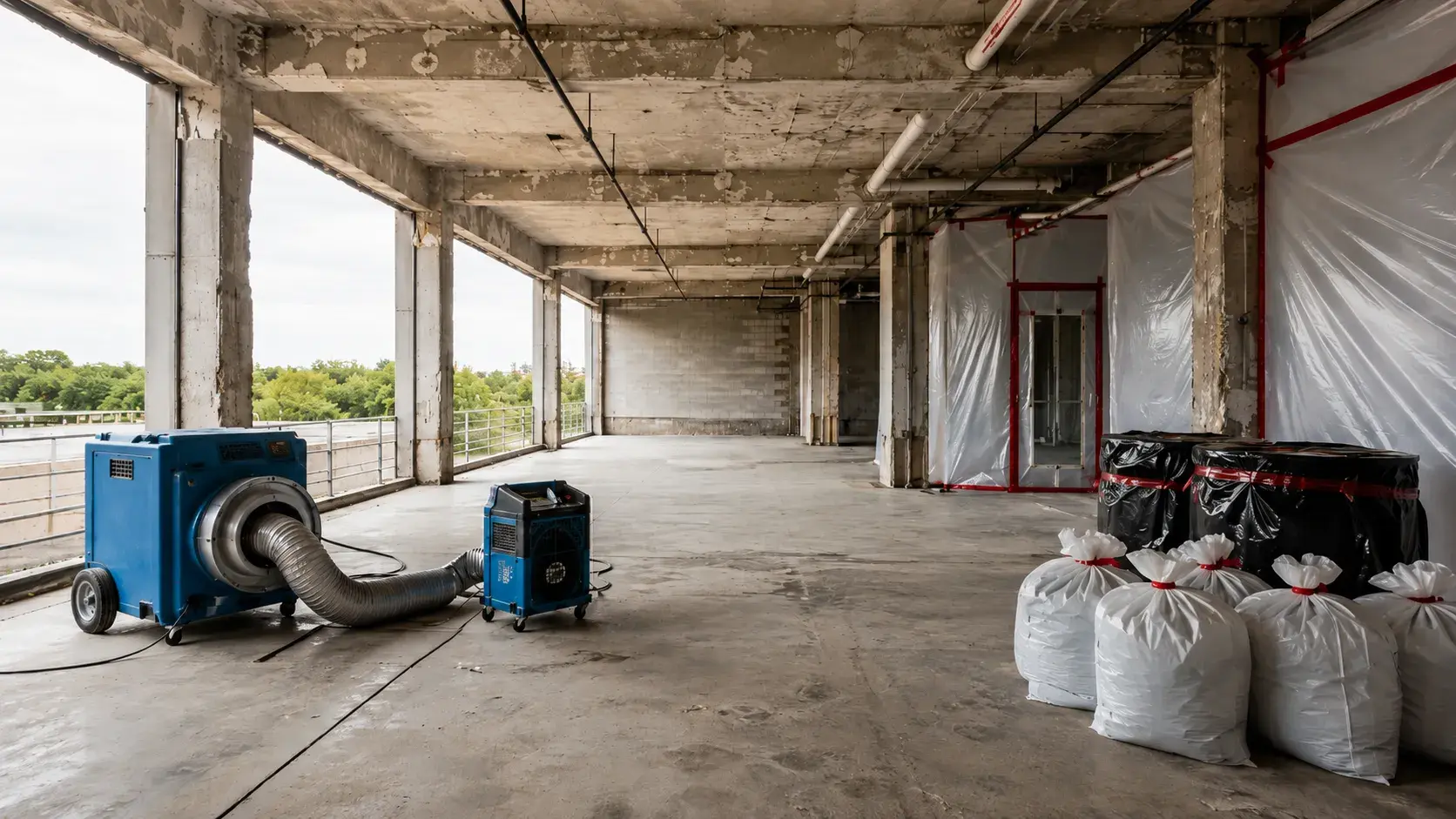
Harrowgate performs hazardous building-material identification support, containment, removal, decontamination, and regulated waste handling for GTA and Ontario commercial and industrial projects.
Tell us what you need and we’ll get you a quote.
Licensed, insured & WSIB-covered · Free, no-obligation quote & on-site assessment.
Built to your engineered drawings, survey, and the real site conditions, not a one-size-fits-all approach forced to fit.
Durable materials and methods chosen for the load, traffic, and environment on site.
Send specs, drawings, or photos and get a free, no-obligation site visit and estimate with no guesswork.
Installation and site work completed in accordance with Ontario requirements.
Hazardous materials abatement is the planned isolation, removal, cleaning, packaging, and lawful routing of harmful materials before construction or facility work can proceed. Harrowgate performs the field scope across the GTA for commercial, industrial, institutional, and heavy-civil clients, using controls matched to each material, exposure route, and waste classification.
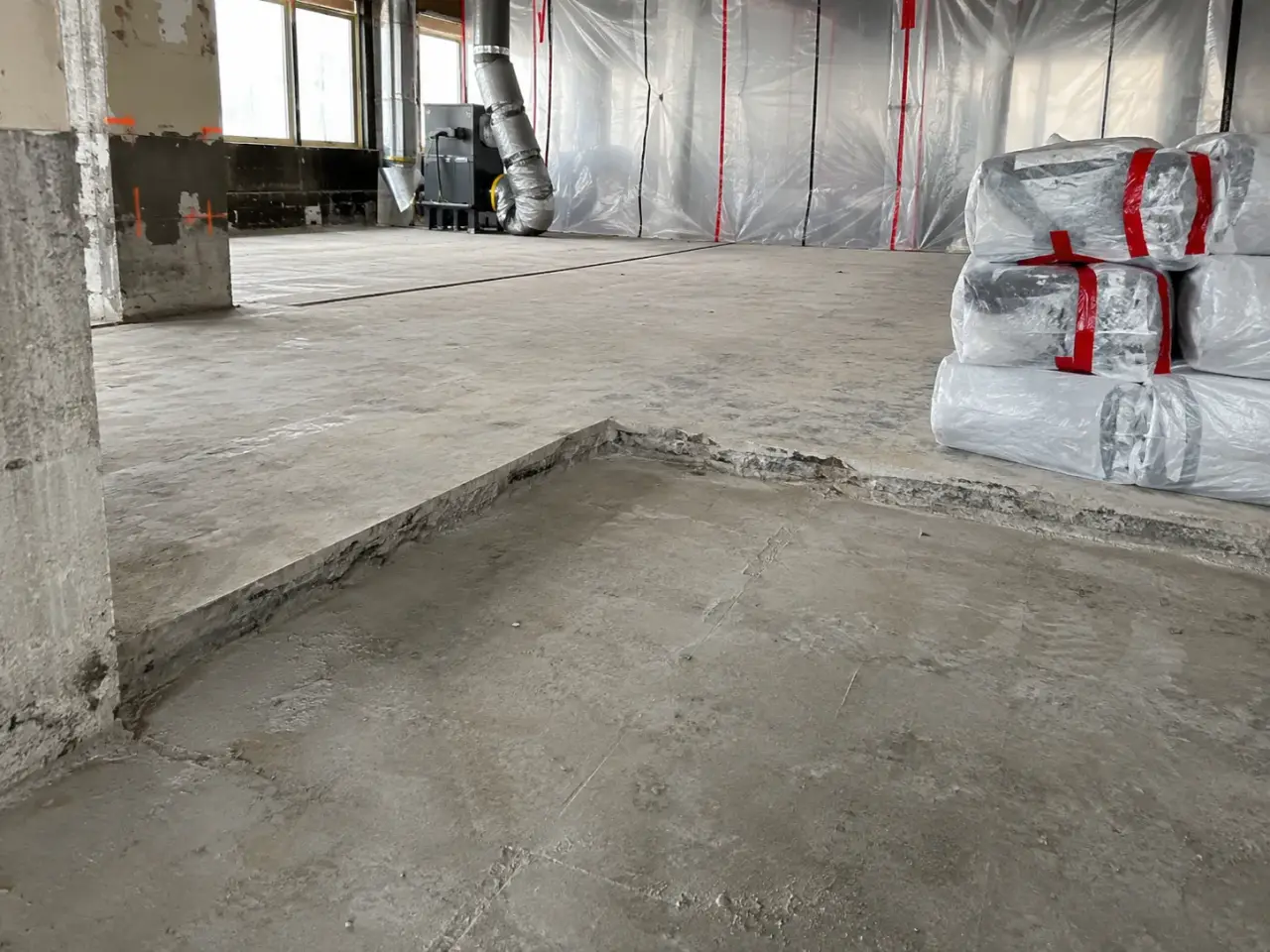
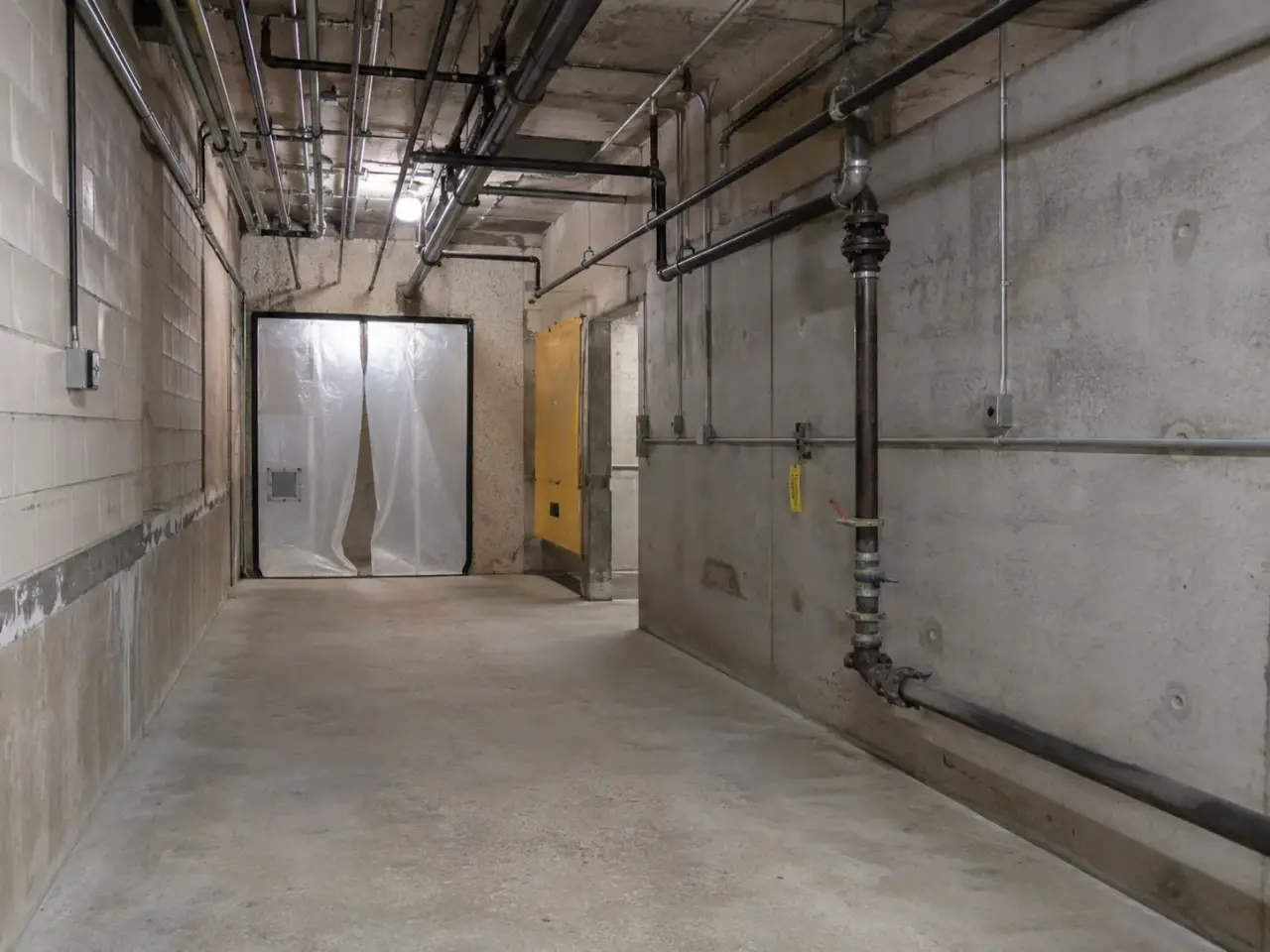
Hazardous building-material work can involve asbestos, lead, mercury, silica-containing residues, PCBs or electrical components, refrigerants, mould-contaminated material, bird or animal waste, chemicals, and process contamination. Each hazard requires its own assessment, controls, packaging, and destination. Enclosure, glove-bag work, wet removal, chemical stripping, vacuum tooling, component removal, decontamination, or specialist recovery are selected by substance, form, condition, exposure route, quantity, and surrounding occupancy.
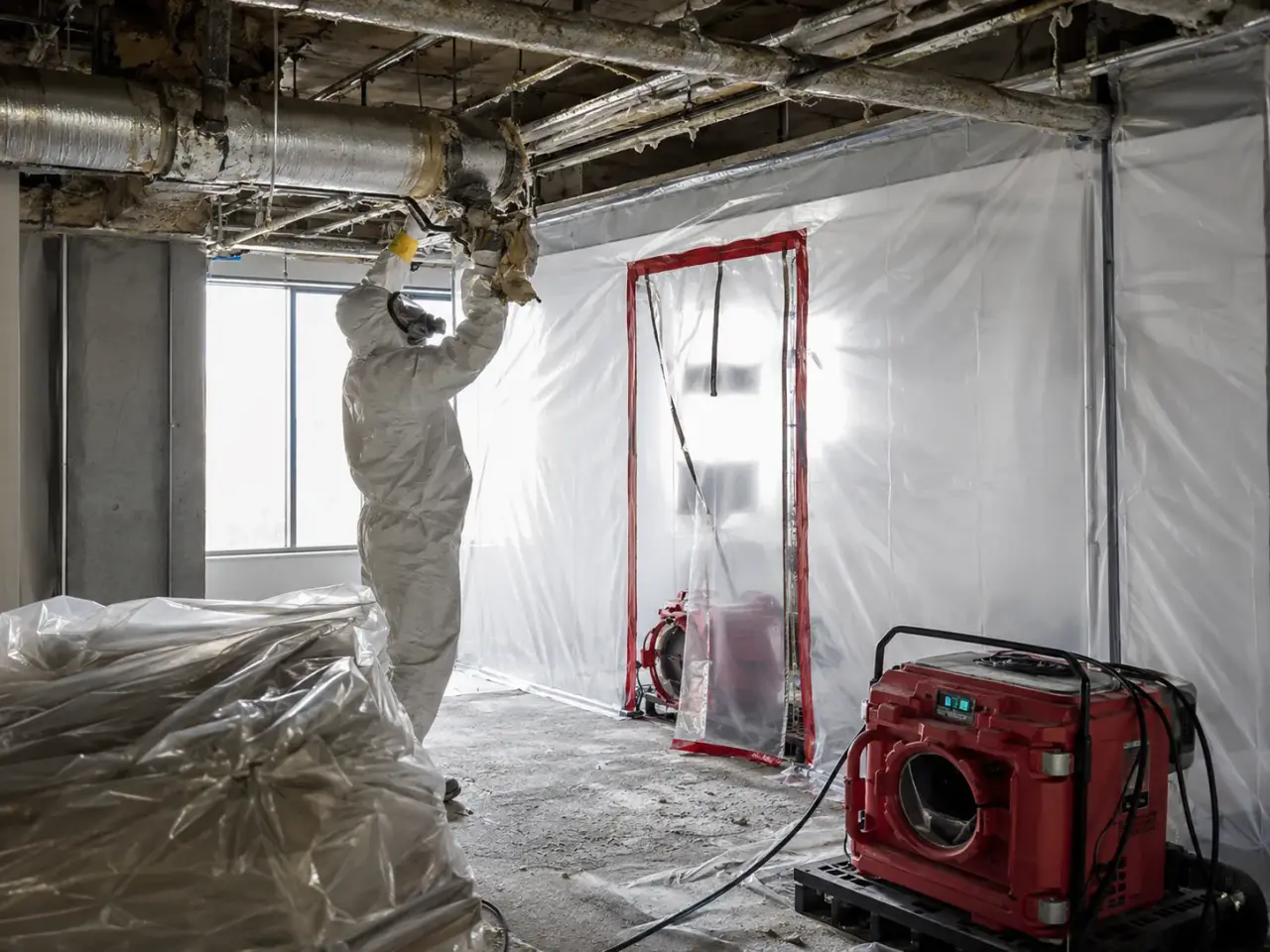
Step 1, Mobilization begins with shutdown and isolation. Electrical, mechanical, pressure, chemical, ventilation, and process-energy sources are confirmed with the facility team. The work area receives controlled access, floor and drain protection, emergency equipment, material-specific protective clothing and respiratory controls, and a clean-to-dirty path. Air movement is designed around the contaminant, since negative pressure is appropriate for dust but can spread some vapours or create an unsafe atmosphere.
Step 2, Removal uses the lowest-emission technique that can separate the material from its substrate. Examples include wet scraping of lead coating, intact removal of mercury switches and lamps, HEPA-shrouded grinding for controlled coating preparation, non-sparking transfer tools for flammable residues, vacuum recovery of dry deposits, and sectional dismantling of contaminated equipment. Liquids and solids are never combined merely to simplify hauling.
Step 3, Progressive cleaning prevents recontamination. Smooth surfaces are HEPA vacuumed and wet wiped, rough concrete or steel is mechanically cleaned to the consultant’s acceptance criterion, and drains or pits are recovered separately. Rinse water, disposable protection, filters, absorbents, and cleaning debris are included in the waste profile. Verification can include visual inspection, wipe testing, air sampling, or analytical confirmation as specified.
Step 4, Packages are compatible with the material and its physical state. Drums, overpacks, lined bins, sealed pails, wrapped components, and liquid totes are closed, labelled, secured, and protected from weather or impact. Harrowgate coordinates approved carriers and receivers, maintains load records, and completes the controlled area only after waste, temporary protection, and decontamination residues are removed.
Step 5, The abatement record reconciles survey locations, removed and remaining materials, control and monitoring data, waste packages and destinations, clearance, and the release issued for demolition, renovation, or occupancy.
Hazardous-material abatement follows the project survey, substance-specific Ontario requirements, approved procedures, occupational exposure controls, waste and transport rules, and applicable local municipal requirements. No single procedure is represented as adequate for every hazardous material.
The exposure assessment sets engineering controls, work practices, training, hygiene, respirators and protective equipment, monitoring, medical or specialist requirements, and emergency response. Controls remain effective through setup, disturbance, cleaning, waste movement, and teardown.
Packaging and transport follow material compatibility and the accepted waste classification. Liquids, powders, sharp components, lamps, batteries, contaminated debris, pressurized items, and chemical containers remain separated where mixing can create reaction, leakage, or receiver rejection.
Closeout links survey locations to removed quantities, remaining managed material, clearance results, manifests or receipts, and construction release. The owner receives a record suitable for updating building information and planning future disturbance.
Planning hazardous materials abatement? Talk it through with our team.
Treating all hazardous materials as asbestos creates the wrong controls. Vapours, flammable liquids, corrosives, heavy-metal dust, and biological debris behave differently. We build a material-specific control matrix that addresses exposure route, incompatibility, ignition, ventilation, and environmental release. Work stops when labels, process history, or field conditions conflict with the survey.
Cross-contamination commonly occurs at footwear, tools, drains, waste exits, and shared ventilation. We protect those routes before removal, separate clean and dirty equipment, containerize waste at the source, and clean progressively. Air or surface verification is scheduled before barriers are disturbed, and reusable equipment is decontaminated before it leaves the controlled zone.
Incorrect packaging can leak, react, rupture, or be rejected. Harrowgate confirms the waste profile and receiver before packaging large quantities, chooses containers compatible with liquids or solids, respects fill and closure limits, and secures loads. A final reconciliation compares removed quantities, package counts, manifests, and remaining known hazardous-material locations.
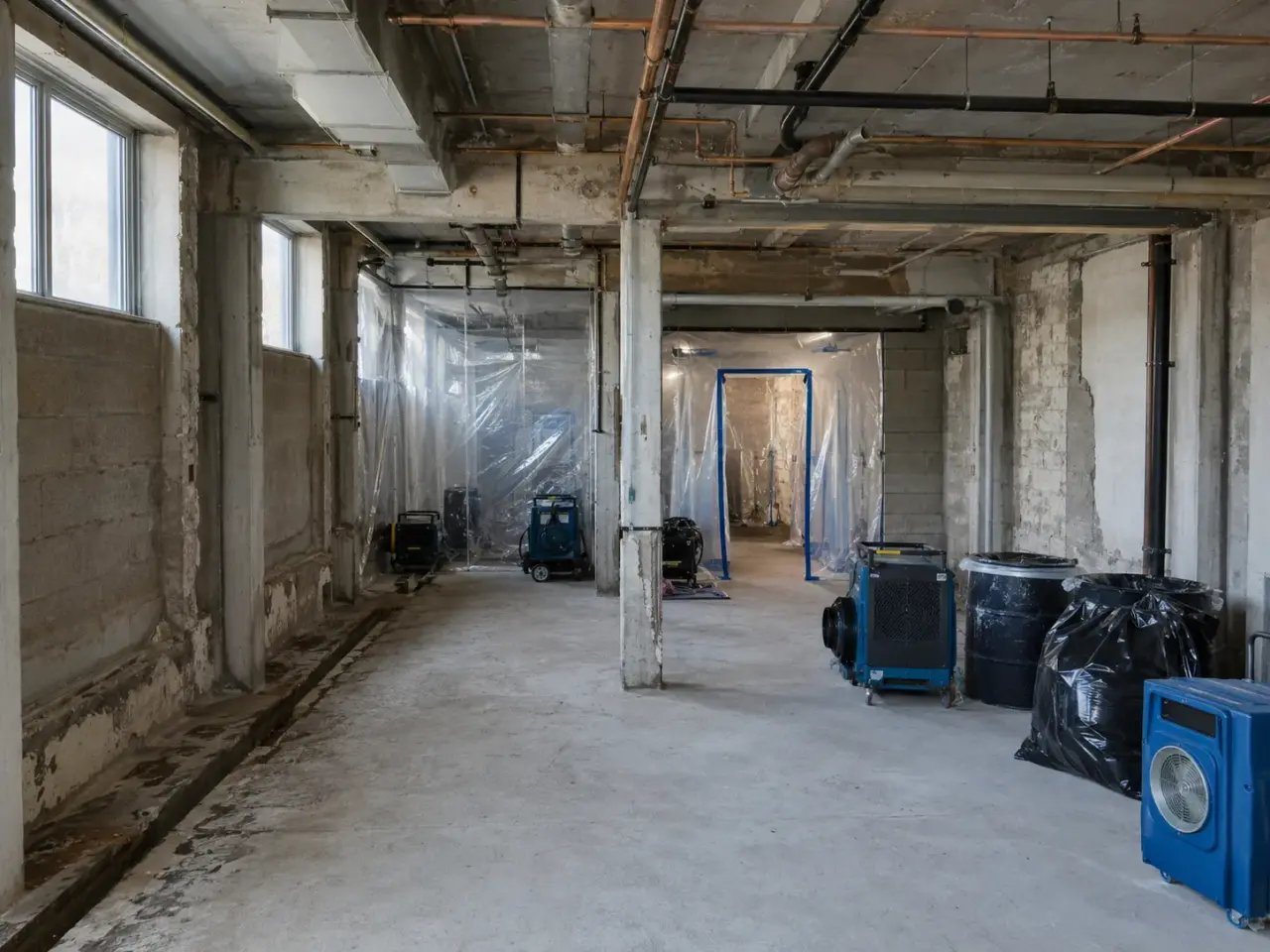
Completed on site to the engineered drawings, coordinated with concrete, servicing, and the surrounding work, then a clean, documented finish.
We abate material identified in the project survey or consultant specification, including lead coatings, mercury devices, silica-bearing deposits, chemical residues, contaminated insulation, fuel residues, biological debris, and other hazardous building or process materials. Each substance receives its own control, cleaning, packaging, and waste route based on its properties and Ontario requirements.
We compare surveys and process records with drawings, equipment labels, service routes, and selective openings. Suspect material is not disturbed until its identity and extent are established. The consultant can direct sampling, and Harrowgate then updates containment, quantity, method, waste class, and schedule before controlled removal resumes.
Yes, with facility-approved isolation and phasing. We coordinate process shutdowns, ventilation, deliveries, emergency routes, energized systems, and production windows. Sealed work zones, local capture, protected waste routes, and daily handback criteria limit interference. The chosen method must suit the material and process environment, especially where vapours or ignition sources are possible.
Packaging matches the material’s chemistry, physical state, and receiver requirements. Options include sealed drums, overpacks, lined bins, pails, wrapped components, or compatible liquid containers. Waste is labelled, protected, and segregated from incompatible streams. Disposable protection, filters, absorbents, and cleaning residues are classified with the contamination they contain.
Verification follows the project specification and may include a detailed visual inspection, air sampling, surface wipe testing, moisture or gas readings, and laboratory analysis. Harrowgate completes progressive cleaning and presents the work area at the defined hold point. Temporary controls remain until the consultant or client representative accepts the required result.
Closeout records can include location logs, daily reports, containment and pressure checks, worker and equipment entries, sampling results, package counts, digital manifests, receiving confirmations, photographs, and consultant acceptance. Harrowgate reconciles these records against the original survey so remaining known materials and completed areas are clearly distinguished.
Only where the assessment confirms compatible hazards and controls. Different substances can require separate enclosures, respiratory protection, monitoring, decontamination, packaging, transport, and clearance, so the project matrix distinguishes them by location and task.
Work that could disturb it stops, the area is protected, and the material is documented without spreading dust or residue. The owner and qualified consultant determine examination, classification, controls, and any revised abatement limits before work resumes.
Still have a question about hazardous materials abatement? Ask our team directly.
Commercial and heavy-civil construction delivered for developers, contractors, property managers, and municipalities.
Send drawings, a site plan, or a description of the scope. Harrowgate Group is licensed, insured, and WSIB-covered.
Licensed, Insured & WSIB-Covered, work managed and documented on every job
Tell us what you need and we’ll get you a quote.
Harrowgate Group provides hazardous materials abatement, delivered and installed with quote-ready support across Toronto and surrounding Ontario communities.
Companies We've Worked With
Harrowgate Group delivers commercial and heavy-civil construction for developers, contractors, institutions, municipalities, and property groups across Ontario.
 Popeyes
  Tim Hortons
  Subway
  University of Toronto
  Madison Group
  RioCan
  Women's College Hospital
  Starbucks
  Mazda
Mazda  TD Bank
  City of Toronto Popeyes Tim Hortons Subway University of Toronto Madison Group RioCan Women's College Hospital Starbucks Mazda TD Bank City of Toronto