
Built to spec
Built to your engineered drawings, survey, and the real site conditions, not a one-size-fits-all approach forced to fit.
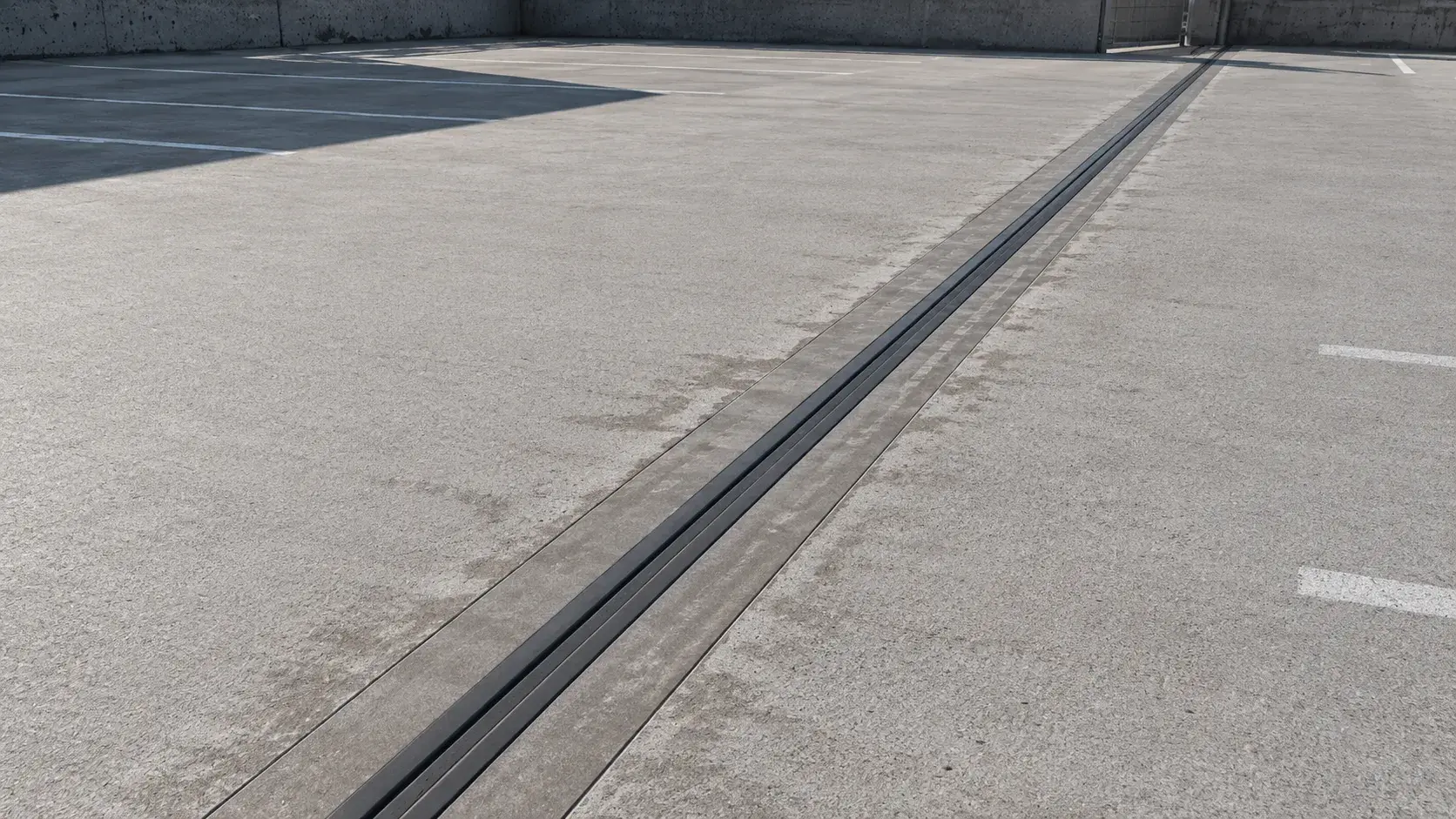
Expansion Joint Repair and Replacement in Pickering renews the joints and sealants that let concrete structures move without cracking or leaking.
Tell us what you need and we’ll get you a quote.
Licensed, insured & WSIB-covered · Free, no-obligation quote & on-site assessment.
Built to your engineered drawings, survey, and the real site conditions, not a one-size-fits-all approach forced to fit.
Durable materials and methods chosen for the load, traffic, and environment on site.
Send specs, drawings, or photos and get a free, no-obligation site visit and estimate with no guesswork.
Installation and site work completed in accordance with Ontario requirements.
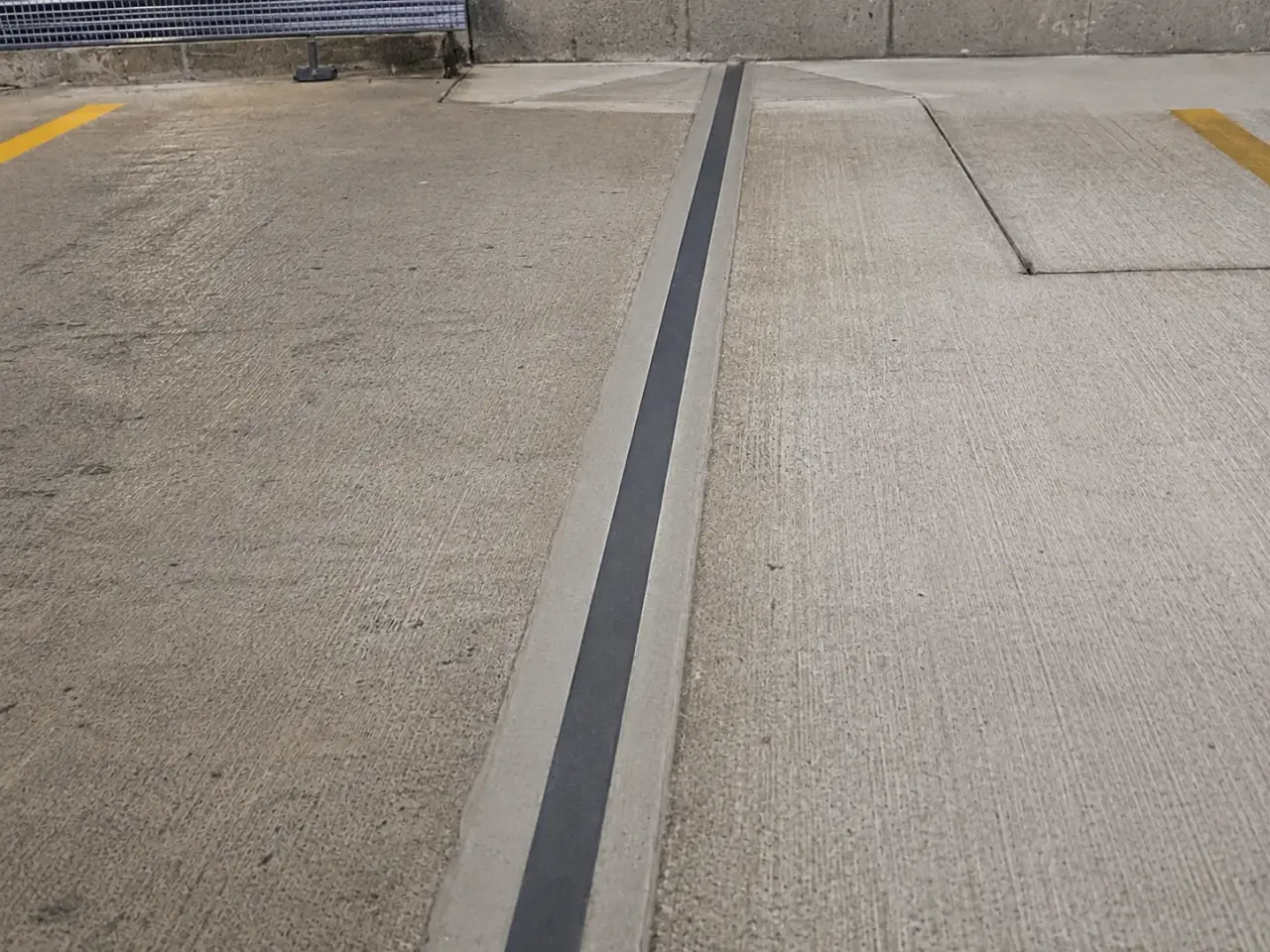
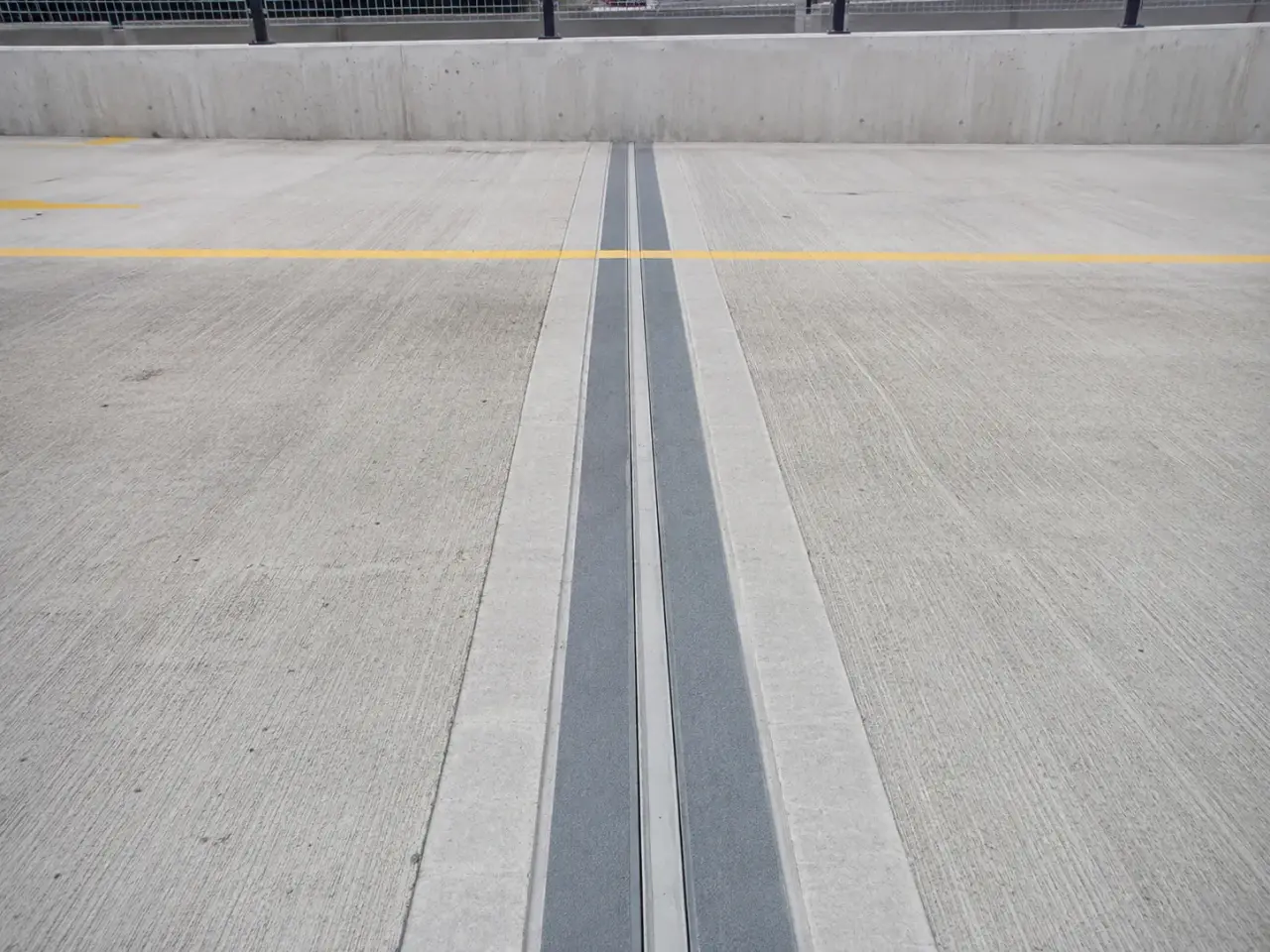
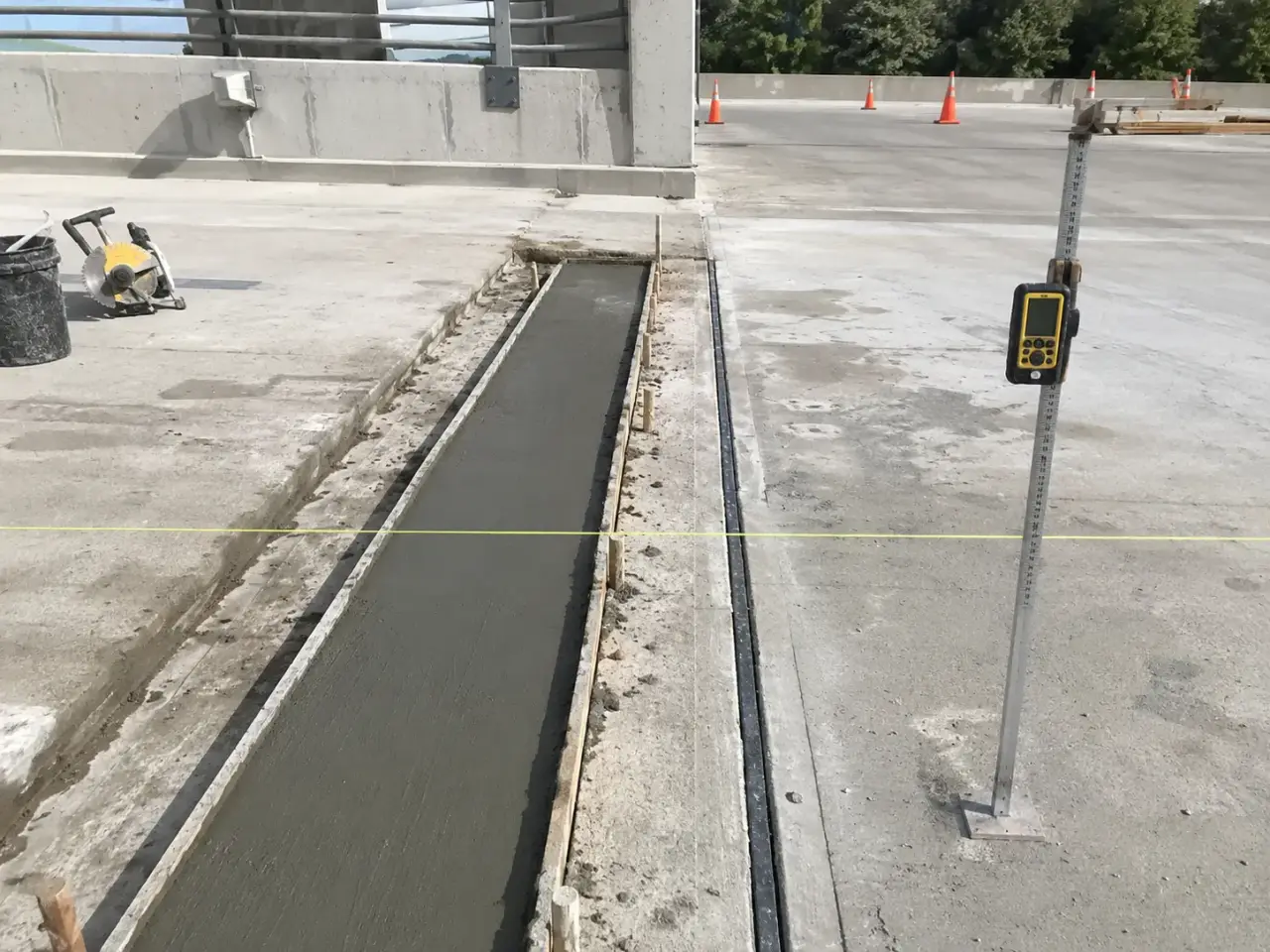
Compression seals, strip seals, gland systems, asphaltic plug joints, cover plates, and traffic-bearing assemblies suit different movement, opening, waterproofing, load, and substrate conditions.
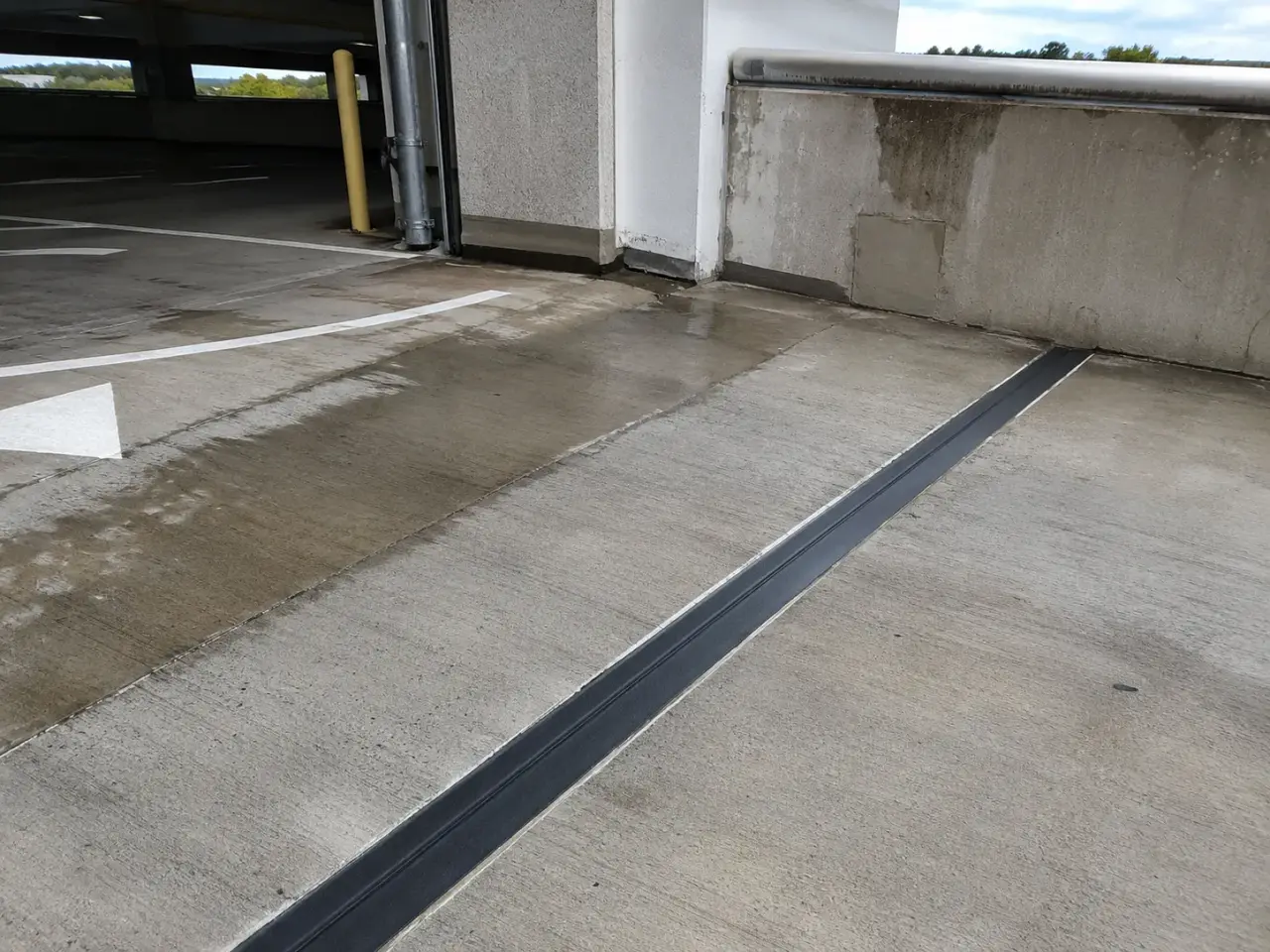
Step 1, We stabilize traffic and leakage, expose the full assembly, and rebuild from sound concrete edges inward. Joint width, temperature, blockout geometry, support, anchors, gland compression, sealant shape, and membrane transitions are controlled before cover plates or traffic coatings conceal the work.
Step 2, Work stage 1. We measure joint width at several locations and temperatures, record vertical offset, inspect leakage below, and identify gland, strip seal, compression seal, cover plate, buried membrane, or sealant construction.
Step 3, Work stage 2. Traffic surfacing and old joint material are removed without tearing retained waterproofing. Anchors, corroded steel, loose headers, failed nosing, and contaminated sealant are exposed to establish complete repair limits.
Step 4, Work stage 3. Broken concrete edges are sawcut to sound material, reinforcement is cleaned or supplemented as designed, and blockouts are rebuilt with compatible rapid-setting or conventional repair material to the joint manufacturer's geometry.
Step 5, Work stage 4. New frames, anchors, glands, or cover assemblies are set to line and grade. Factory and field splices are completed by the approved method, with corners and intersections formed as continuous watertight details.
Step 6, Work stage 5. Sealant joints receive clean parallel faces, primer where required, closed-cell backer rod or bond breaker, and a controlled width-to-depth profile. The seal bonds to two sides, not the bottom.
Step 7, Work stage 6. Adjacent deck membrane and traffic coating lap into the joint transition, while drainage and troughs remain clear. We test the completed length where permitted and reopen only after headers and sealants reach required condition.
Planning expansion joint repair and replacement in Pickering? Talk it through with our team.
Expansion-joint work follows the structural and building-envelope drawings, CSA S413 for parking structures where applicable, CSA A23 concrete requirements, and the Canadian product specification for the selected joint system. Municipal structure work also follows the named OPSS joint and rehabilitation provisions.
Control point 1. The engineer establishes movement range from structure length, temperature, creep, shrinkage, seismic requirements, and measured condition. Product nominal width must cover the actual installation opening and anticipated movement.
Control point 2. Blockout width, depth, edge reinforcement, anchor spacing, header material, and finished elevation follow the approved system. Altering the recess can reduce movement capacity or expose the header to tire impact.
Control point 3. Backer rod is larger than the joint opening so it stays in place without puncture. It controls sealant depth and prevents three-sided adhesion, allowing the cured seal to stretch across the gap.
Control point 4. Primer and sealant are checked for substrate, moisture, temperature, pot life, and compatibility with existing membrane. Solvent residue and uncured repair material can inhibit bond.
Control point 5. Traffic-bearing assemblies are set flush or to the designed recess so wheels, snow-clearing blades, carts, and pedestrians do not strike the edge. Cover plates are fixed on the intended side and free to slide.
Control point 6. Waterproofing terminations, upturns, drain troughs, and end dams are treated as part of the joint. A watertight centre length still leaks if water can run around an unsealed end.
Selection uses the structural movement range, measured opening, installation temperature, vertical and shear movement, traffic, water exposure, blockout geometry, and adjacent membrane. The replacement must fit the existing or rebuilt recess and cover all expected movement. Harrowgate supplies field dimensions and installs the engineer-approved system rather than matching appearance alone.
No. An intentional expansion joint must remain free to open, close, and sometimes shear. Rigid fill transfers force into headers and slabs, causing spalls or new cracks. Rigid materials are used only in supporting blockouts where designed. The movement gap receives a gland, flexible sealant, cover, or engineered assembly suited to its service.
Water often bypasses through failed end dams, membrane terminations, upturns, corners, splices, drains, or cracked headers even when the centre seal looks intact. Harrowgate exposes the complete transition, follows leakage below, and connects the new joint continuously to adjacent waterproofing. Controlled water testing is completed where the structure and drainage permit.
Three-sided adhesion occurs when sealant bonds to both joint walls and the bottom. That restrains its shape and concentrates stress, causing tearing. A closed-cell backer rod or bond-breaker tape prevents bottom bond and sets the designed depth. Harrowgate checks rod size, placement, primer, and sealant profile before the surface skins over.
Yes. We divide work at approved splice locations, maintain protected traffic routes, and sequence demolition, header reconstruction, joint installation, membrane tie-in, cure, and reopening by lane. Temporary watertight terminations are required at unfinished ends. Phase boundaries are not placed at corners or other geometry where a field splice would weaken continuity.
Reopening depends on concrete or rapid-header strength, anchor setting, sealant cure, membrane and traffic-coat cure, temperature, and vehicle load. Harrowgate follows strength and cure criteria for the complete assembly. The gland may be installed but the joint still cannot carry traffic if its headers or adjacent coating have not reached acceptance.
Common causes include wheel impact, low or high finished elevation, weak or thin repair material, corroded reinforcement, poor consolidation, loose anchors, restrained movement, and early loading. Harrowgate removes the full loose blockout, rebuilds reinforcement and support, sets the assembly to grade, and controls opening based on achieved strength.
The designer checks opening at known temperatures, structure movement, construction tolerance, skew, and product limits rather than sizing from one measurement.
Impact, weak concrete, poor anchorage, insufficient header support, leakage, snowplows, contamination, and restrained movement can fracture joint edges.
Still have a question about expansion joint repair and replacement in Pickering? Ask our team directly.
Commercial and heavy-civil construction delivered for developers, contractors, property managers, and municipalities.
Send drawings, a site plan, or a description of the scope. Harrowgate Group is licensed, insured, and WSIB-covered.
Licensed, Insured & WSIB-Covered, work managed and documented on every job
Tell us what you need and we’ll get you a quote.
Harrowgate Group provides expansion joint repair and replacement, delivered and installed with quote-ready support across Toronto and surrounding Ontario communities.
Companies We've Worked With
Harrowgate Group delivers commercial and heavy-civil construction for developers, contractors, institutions, municipalities, and property groups across Ontario.
 Popeyes
  Tim Hortons
  Subway
  University of Toronto
  Madison Group
  RioCan
  Women's College Hospital
  Starbucks
  Mazda
Mazda  TD Bank
  City of Toronto Popeyes Tim Hortons Subway University of Toronto Madison Group RioCan Women's College Hospital Starbucks Mazda TD Bank City of Toronto