
Built to spec
Built to your engineered drawings, survey, and the real site conditions, not a one-size-fits-all approach forced to fit.
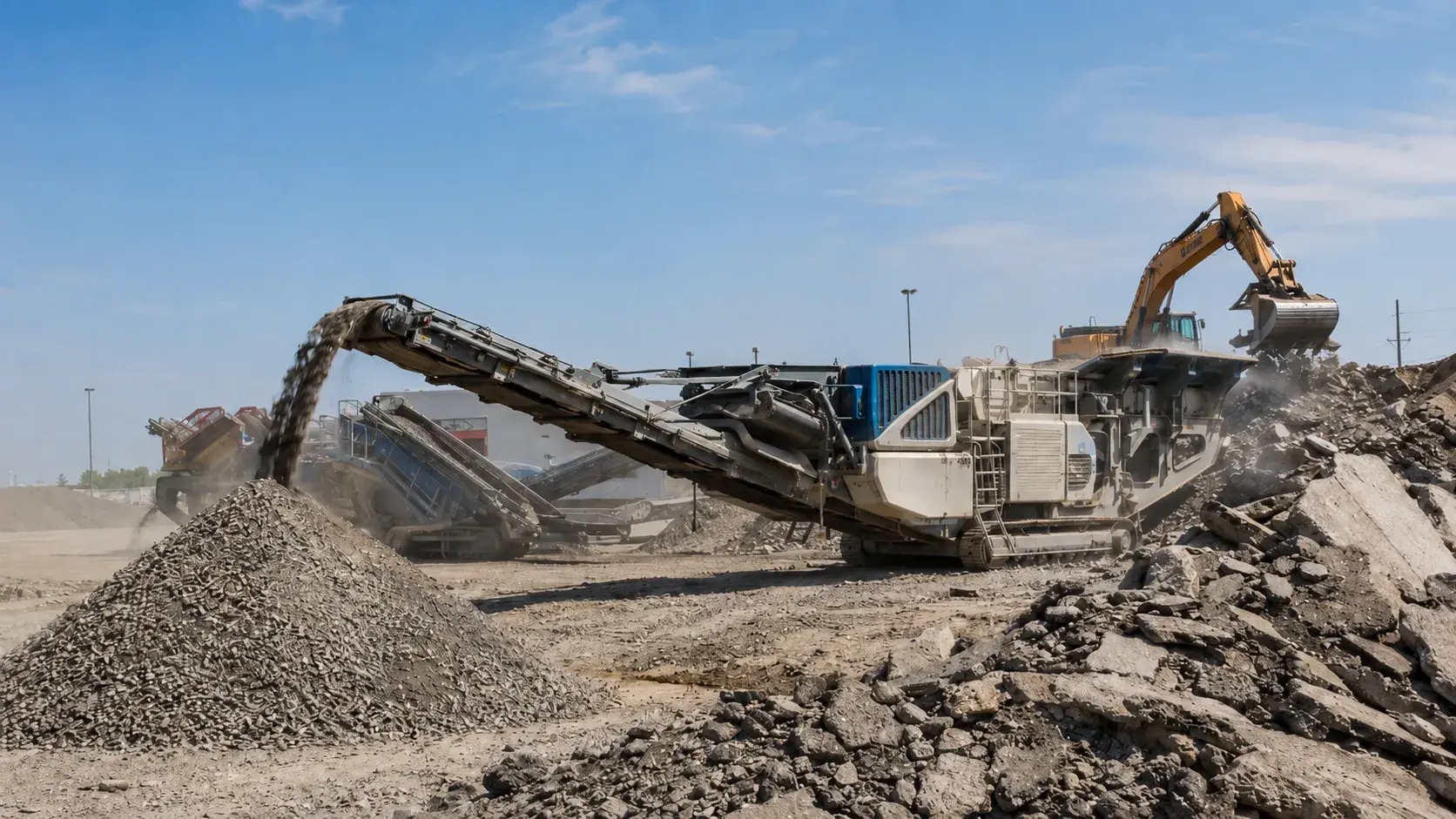
Harrowgate performs demolition feed preparation, mobile crushing, steel removal, screening, stockpiling, testing coordination, and recycled aggregate placement for GTA and Ontario projects.
Tell us what you need and we’ll get you a quote.
Licensed, insured & WSIB-covered · Free, no-obligation quote & on-site assessment.
Built to your engineered drawings, survey, and the real site conditions, not a one-size-fits-all approach forced to fit.
Durable materials and methods chosen for the load, traffic, and environment on site.
Send specs, drawings, or photos and get a free, no-obligation site visit and estimate with no guesswork.
Installation and site work completed in accordance with Ontario requirements.
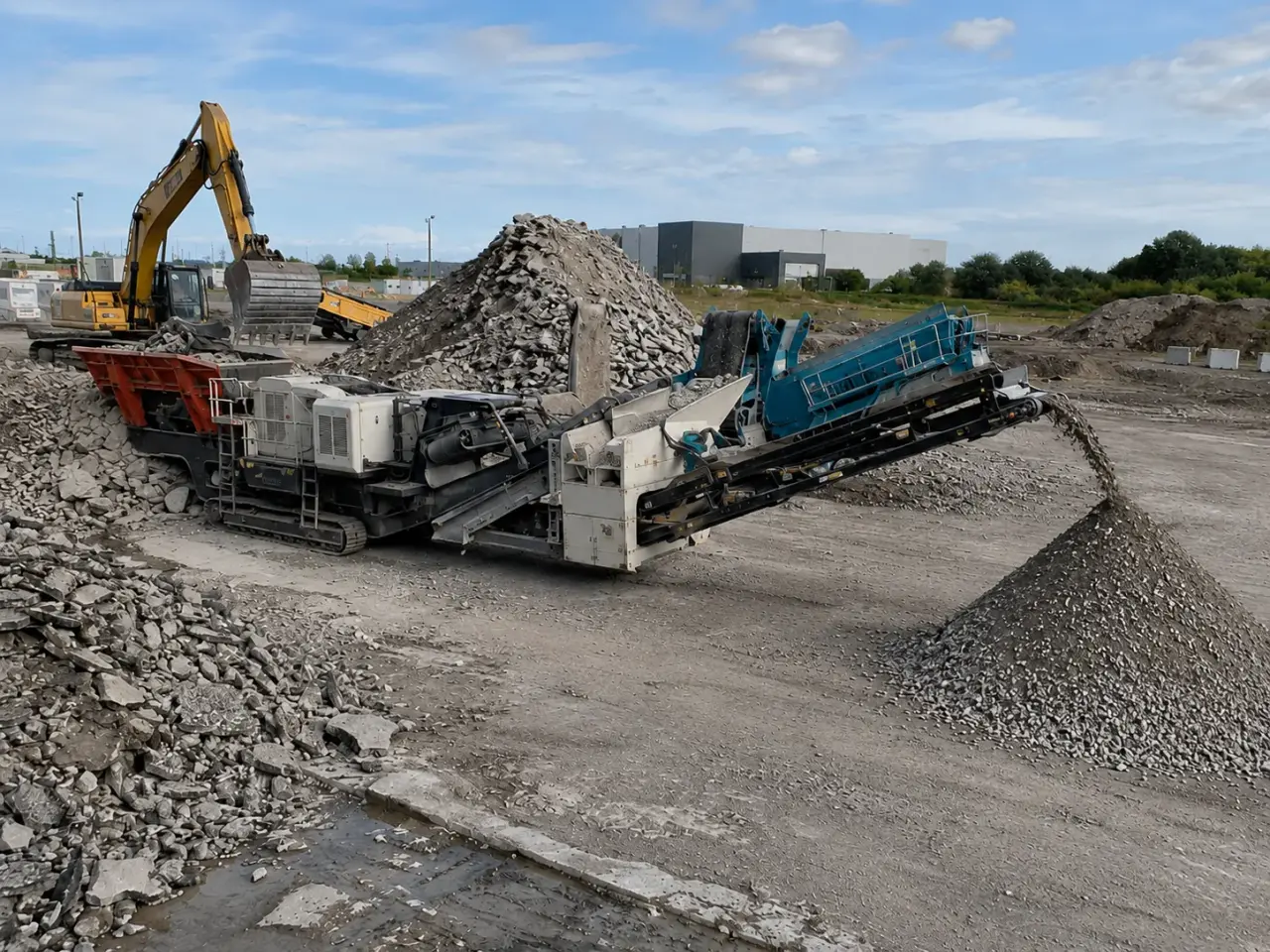
Concrete and asphalt crushing converts source-separated demolition material into graded recycled aggregate for approved project reuse or shipment. Harrowgate performs GTA feed preparation, breaking, mobile crushing, magnet separation, screening, stockpile control, dust suppression, testing coordination, and placement, reducing double handling while maintaining traceable material quality.
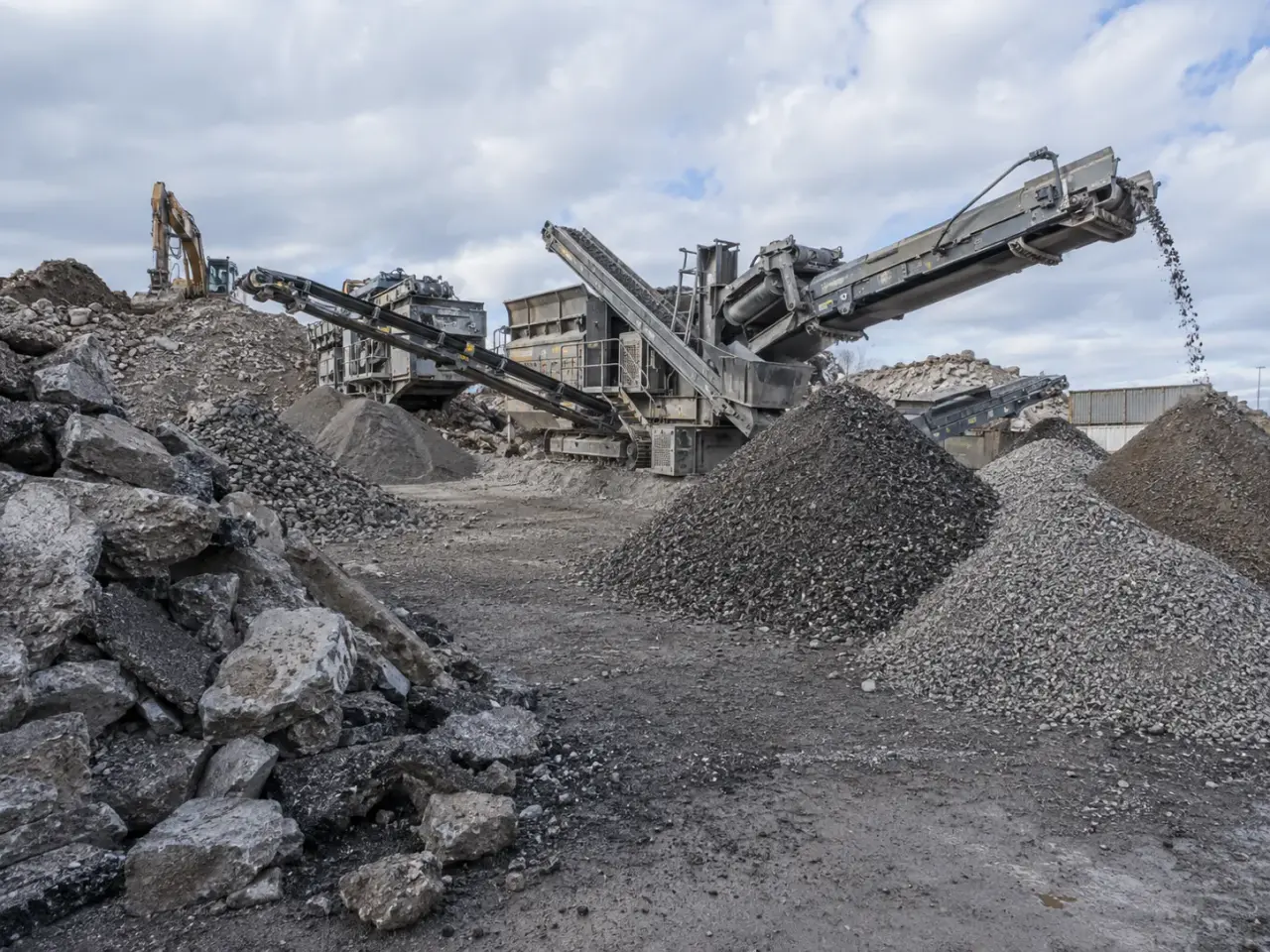
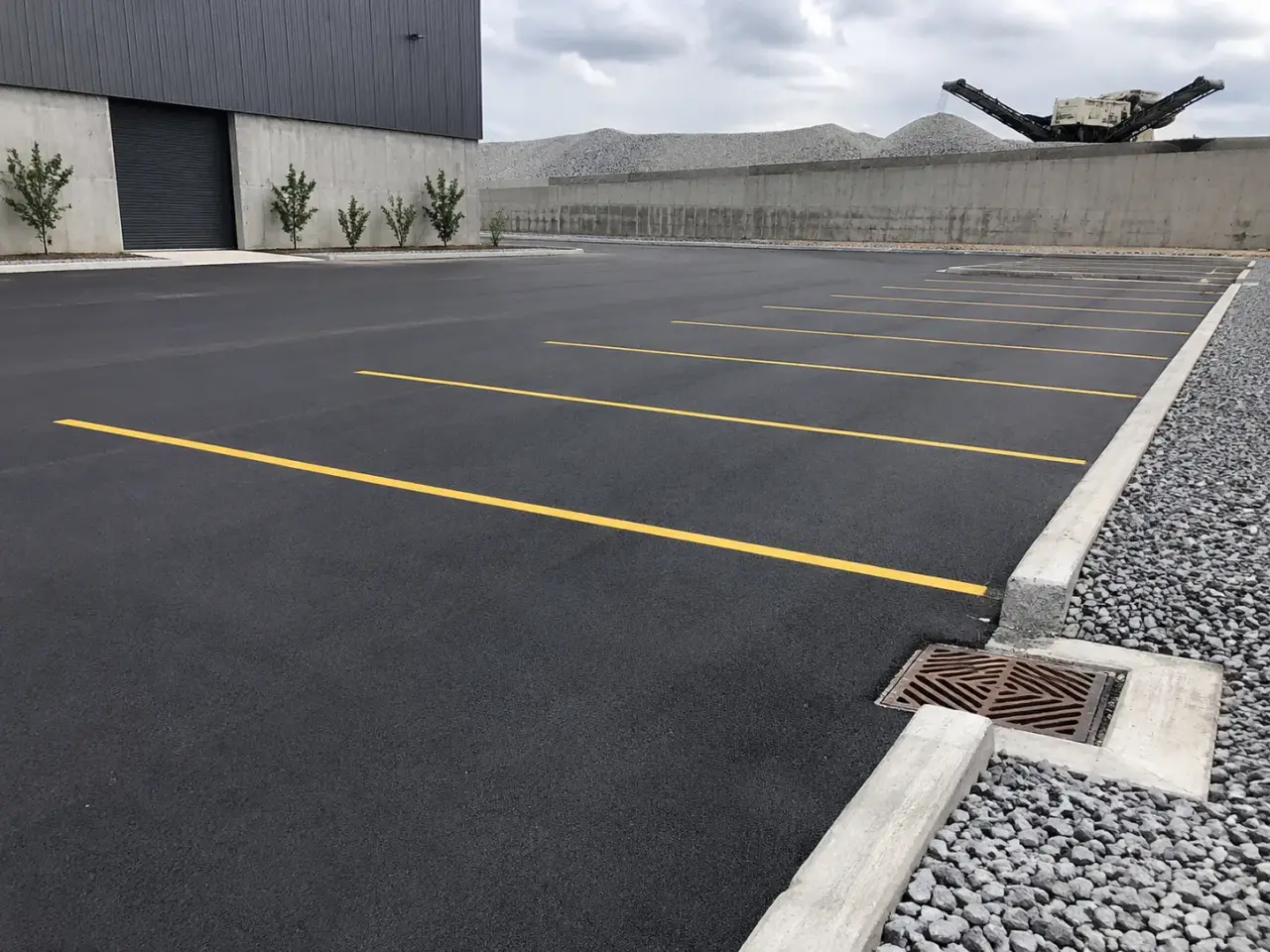
Jaw crushers perform primary reduction of concrete and large rubble. Impact crushers shape and reduce concrete or asphalt with different fines and wear characteristics. Cone crushers can refine hard aggregate in multi-stage spreads. Screens separate target sizes, magnets remove ferrous steel, and picking or preprocessing removes contaminants. Mobile on-site plants reduce trucking where space and environmental controls permit, while off-site recycling suits constrained projects. The target gradation, feed, contamination, quantity, reuse, and testing determine the circuit.
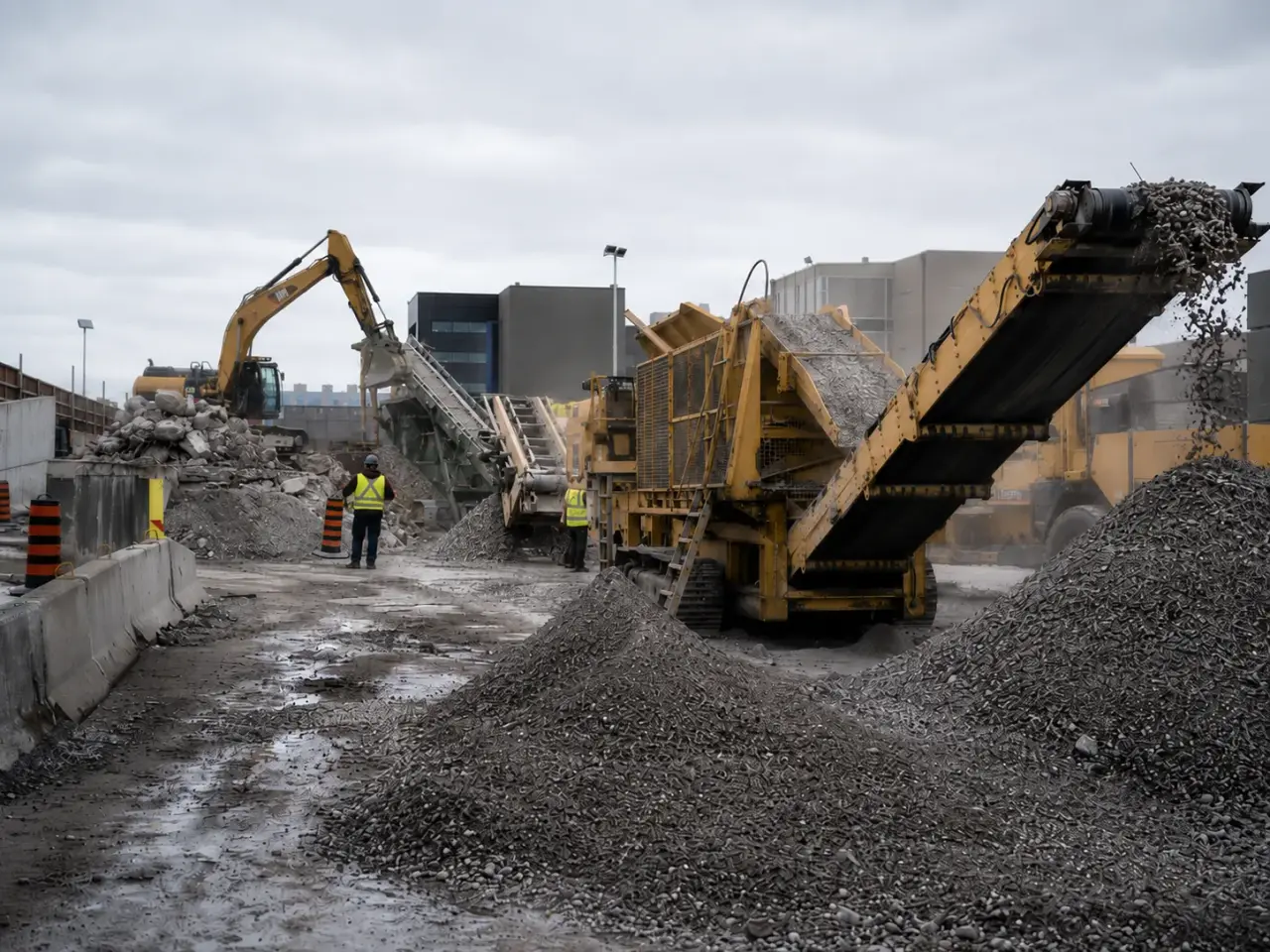
Step 1, Selective demolition and feed preparation come first. Oversize slabs are broken with excavators and hydraulic hammers, while rebar and embedded items are exposed and cut. Loads are inspected at the feed pile, and suspect painted, oily, chemically affected, or asbestos-contaminated material is quarantined. Clean concrete, masonry where allowed, and reclaimed asphalt pavement remain in defined stockpiles.
Step 2, A loader or excavator feeds a jaw or impact crusher at a controlled rate. Pre-screening removes excess fines where the product requires it. Magnets recover ferrous steel after primary reduction, and secondary picking removes wire, wood, and other fragments. A screen deck separates oversize for recirculation and produces one or more graded products.
Step 3, Water sprays and point-source mist suppress dust without saturating product or generating uncontrolled runoff. Equipment sits on a stable pad with exclusion zones, guarding, emergency stops, and defined loader patterns. Stockpiles are built on clean bases, separated by product, and shaped to limit segregation. Lot boundaries connect production dates and feed sources to test samples.
Step 4, Recycled aggregate is sampled for the project’s specified gradation and material properties. It is not placed until the engineer accepts the proposed use. Harrowgate then moisture-conditions, places, grades, and compacts the material in controlled lifts, while recovering steel and routing reject material to approved destinations. Final reconciliation compares feed, product, metal, reject, and remaining stockpile quantities.
Step 5, Harrowgate closes production by reconciling feed, accepted aggregate lots, tests, metal recovery, residual waste, stockpile condition, environmental controls, and site restoration.
Crushing and recycling follow the project material and reuse plan, OPSS where specified, environmental and occupational controls, receiving criteria, and applicable local municipal requirements.
Feed acceptance identifies prohibited or regulated material, contamination, reinforcing, and source limits. Product gradation, quality, sampling, stockpiling, and permitted use are defined before production.
Dust, noise, traffic, vibration, runoff, fuel, fire, equipment guarding, stockpile stability, and public protection are maintained throughout processing.
Closeout reconciles feed, product, metals, waste, test results, destinations, temporary works, and final site condition. Reuse occurs only after the required acceptance.
Planning concrete and asphalt crushing and recycling? Talk it through with our team.
Contaminated feed ruins product and can spread regulated material across a site. Harrowgate controls demolition source areas, inspects every feed pile, and isolates suspect coatings, soil, gypsum, and liquids. One loader does not move freely between dirty demolition debris and accepted product without cleaning and route control.
Poor crusher setup creates excessive flat particles, uncontrolled fines, oversize, and segregated stockpiles. We adjust closed-side setting, feed rate, screen media, recirculation, and moisture from sample results. Stockpiles are built in layers without pushing material over high faces that separate coarse and fine fractions.
Unapproved reuse can lead to failed compaction, drainage changes, frost problems, or rejection after placement. The engineer confirms the product class and application before Harrowgate installs it. Test lots remain traceable, and marginal or variable material is reprocessed or routed elsewhere rather than blended invisibly into accepted aggregate.
Clean site work and a tidy finish, coordinated with your engineers, the other trades, and the surrounding site conditions, built to the engineered drawings and the applicable codes.
No. Suitable feed must be characterized and separated from asbestos, hazardous coatings, chemicals, gypsum, wood, garbage, excess soil, and other contamination. Reinforcing and embedded items require removal. Harrowgate inspects source areas and feed piles, quarantines suspect material, and routes only accepted concrete into the crushing circuit.
Only if representative testing demonstrates that the processed material meets the project’s specified OPSS or municipal Granular A requirements and the engineer accepts its use. Crushing alone does not assign a product class. Gradation, fines, durability, contaminants, and other properties are controlled by feed, crusher, screen, and quality testing.
Large reinforcing is exposed and cut during feed preparation. After primary crushing, conveyor magnets recover ferrous steel, and manual or mechanical picking removes remaining wire and fragments. Product is inspected after screening. Recovered metal is stockpiled separately, while excessive steel in feed is returned for further preparation rather than forced through equipment.
Water sprays and fine mist are applied at the feed, crusher, discharge, screen, and stockpile transfer points as conditions require. Feed drop heights and speeds are controlled, haul roads are maintained, and processing pauses during conditions that defeat control. Water use is balanced to suppress dust without producing turbid runoff or saturated aggregate.
Only where the product specification and engineer permit a defined blend. Asphalt-coated particles affect compaction, drainage, and material behaviour. Harrowgate keeps feed streams and stockpiles separate, then blends by controlled proportions if approved. Unrecorded mixing is not used to make an off-spec product appear acceptable.
It is practical where sufficient clean feed, processing space, product demand, schedule, access, and environmental permissions justify mobilization. Noise, dust, vibration, neighbours, utilities, stockpiles, runoff, and haul routes must be manageable. Harrowgate compares on-site processing with off-site recycling based on total handling and acceptance requirements.
Records can include feed-source logs, production dates, estimated quantities, test-lot boundaries, gradation and material results, accepted product use, metal recovery, rejected material, stockpile surveys, and receiving tickets. Harrowgate reconciles these quantities so owners can distinguish recycled product placed on site from waste and surplus shipped elsewhere.
Only when source condition, contamination, processing, gradation, durability and other required tests, and the issued specification accept it for that use. Crushing alone does not certify an engineered aggregate.
Large steel is exposed and cut during preprocessing, then crusher magnets and manual or mechanical picking remove smaller pieces. Product stockpiles are inspected so wire and bars do not damage equipment or contaminate reuse.
Still have a question about concrete and asphalt crushing and recycling? Ask our team directly.
Commercial and heavy-civil construction delivered for developers, contractors, property managers, and municipalities.
Send drawings, a site plan, or a description of the scope. Harrowgate Group is licensed, insured, and WSIB-covered.
Licensed, Insured & WSIB-Covered, work managed and documented on every job
Tell us what you need and we’ll get you a quote.
Harrowgate Group provides concrete and asphalt crushing and recycling, delivered and installed with quote-ready support across Toronto and surrounding Ontario communities.
Companies We've Worked With
Harrowgate Group delivers commercial and heavy-civil construction for developers, contractors, institutions, municipalities, and property groups across Ontario.
 Popeyes
  Tim Hortons
  Subway
  University of Toronto
  Madison Group
  RioCan
  Women's College Hospital
  Starbucks
  Mazda
Mazda  TD Bank
  City of Toronto Popeyes Tim Hortons Subway University of Toronto Madison Group RioCan Women's College Hospital Starbucks Mazda TD Bank City of Toronto