
What Does a Heavy-Civil Contractor Do and When Do You Need One?
Learn what heavy-civil contractors deliver, how they differ from general contractors, and when Ontario owners need civil, excavation, utility, concrete, and infrastructure expertise.
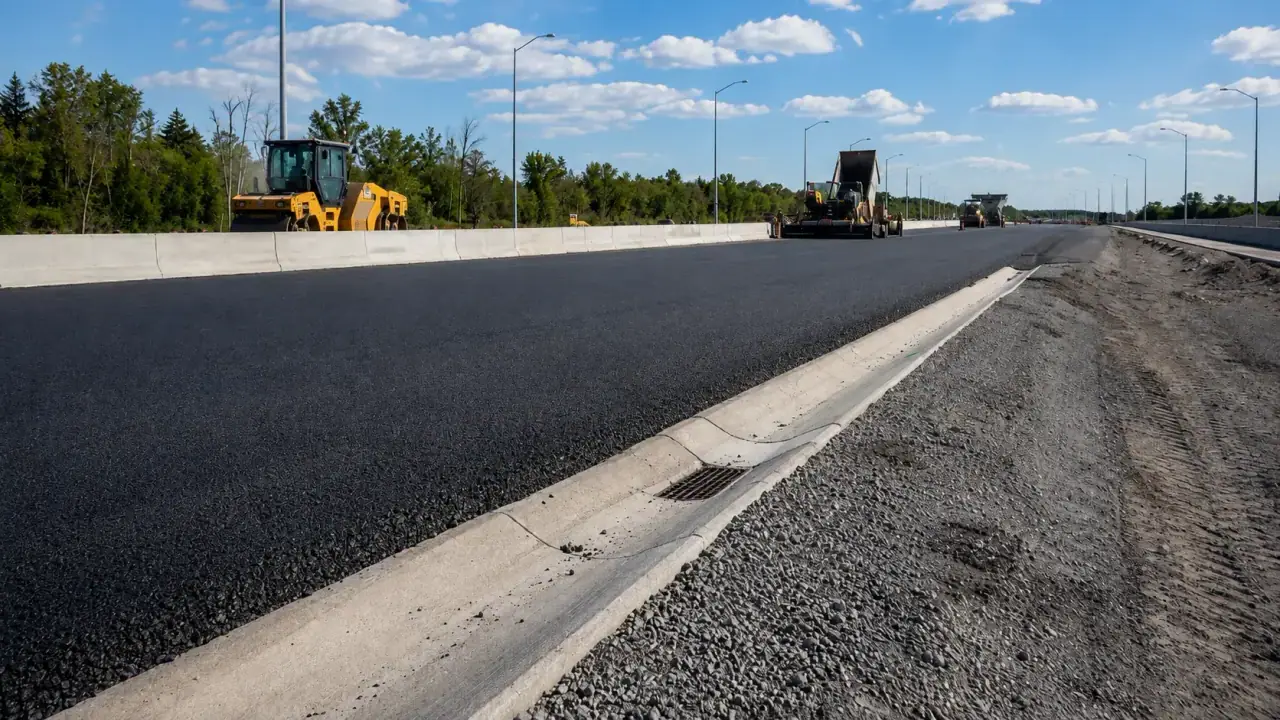
A heavy-civil contractor builds and rehabilitates infrastructure in or on the ground, including excavation, grading, sewers, watermains, storm systems, roads, retaining works, structural concrete, and site restoration. You need one when earth, utilities, water, traffic, public standards, deep excavation, heavy equipment, or municipal coordination drive the project’s risk and schedule.
By Harrowgate Group
Last updated: July 24, 2026
A general contractor may manage an entire building, while a heavy-civil contractor concentrates on infrastructure packages that require specialized equipment, crews, temporary works, survey control, testing, and public-agency compliance. On some projects the civil contractor is a subcontractor; on others it is the prime constructor.
What work does a heavy-civil contractor perform?
| Workstream | Typical scope | Key controls |
|---|---|---|
| Earthworks | Clearing, excavation, haulage, grading, engineered fill | Soils, water, survey, compaction |
| Underground services | Storm, sanitary, water, fire, chambers, connections | Locates, shoring, testing, shutdowns |
| Transportation surfaces | Road base, curbs, asphalt, concrete pavement | Traffic, drainage, density, elevations |
| Structures | Foundations, retaining walls, culverts, structural concrete | Engineering, formwork, reinforcement, curing |
| Rehabilitation | Removal, repair, replacement, restoration | Phasing, live assets, environmental controls |
What affects heavy-civil contracting most?
Civil design maturity
Profiles, details, utility crossings, grading, erosion control, and specifications need enough coordination to support quantities and sequence.
Mass balance and disposal
The difference between cut, reuse, imported fill, unsuitable material, rock, and contaminated soil can dominate cost.
Public interfaces
Road occupancy, traffic control, municipal inspections, utility owners, neighbours, and environmental authorities influence production.
Quality records
Compaction tests, concrete tests, CCTV, pressure tests, disinfection, survey, tickets, and as-builts are part of the deliverable.
What do Ontario rules and current data say?
Ontario’s construction regulation treats bridges, trenches, excavations, highways, streets, parking lots, sewers, watermains, service connections, and pipelines as construction projects subject to prescribed controls. Source: Ontario Regulation 213/91, Construction Projects, current July 2026.
The Ontario Provincial Standards organization publishes standard specifications and drawings for roads and public works, which are commonly incorporated into civil contracts and then modified by owner-specific requirements. Source: Ontario Ministry of Transportation, Ontario Provincial Standards portal, accessed July 2026.
How should you plan heavy-civil contracting?
- Define package boundaries. Assign survey, permits, erosion control, clearing, utilities, electrical duct banks, curbs, paving, landscaping, and building connections.
- Investigate unknowns. Use records, locates, test pits, boreholes, groundwater data, and environmental reports to reduce buried risk.
- Plan logistics. Map haul routes, equipment, stockpiles, dewatering, traffic, deliveries, access, and emergency response.
- Tie payment to measurable work. Use agreed quantities, milestones, testing, deficiency correction, and closeout documents.
What problems should owners watch for?
- Fragmented responsibility: Multiple contractors can leave gaps at utility crossings, subgrade, drainage, restoration, and testing interfaces.
- Lowest-price earthwork allowances: Unclear assumptions for soil reuse, disposal, groundwater, and rock can create major changes.
- Late civil mobilization: Building design may advance without workable grades, crane access, fire routes, or utility sequence.
For heavy-civil contracting, Harrowgate Group’s trust baseline is 20 years in business, licensed, insured, and WSIB-covered.
Frequently asked questions
Is excavation the same as heavy civil?
Excavation is one heavy-civil activity. Heavy civil also includes underground utilities, structures, roads, drainage, testing, traffic control, and restoration.
Does every commercial project need a heavy-civil contractor?
No. Minor interior work may not. New sites, additions, major utility work, deep excavation, large pavement work, and infrastructure rehabilitation commonly do.
Who designs civil work?
A civil engineer typically designs permanent works. Geotechnical, structural, environmental, traffic, and utility specialists may also contribute.
Can one contractor handle excavation through paving?
Yes, if the contractor has the capability and scope. One coordinated package can reduce interfaces, but qualifications and capacity still need review.
What should owners ask for at closeout?
As-built surveys, test results, inspection records, material tickets, CCTV, operation information, permits, deficiencies, and acceptance documentation as applicable.
When should the contractor join design?
Early involvement is valuable when access, mass excavation, temporary works, phasing, utilities, or schedule drive feasibility.
What is the next step?
Harrowgate Group delivers site servicing, bulk excavation, structural concrete, and asphalt paving. Discuss your civil package with the team.