
Signs Your Commercial Foundation Needs Repair and the Cost of Waiting
Recognize commercial foundation warning signs, understand urgent conditions, and plan investigation and repair before movement disrupts operations.
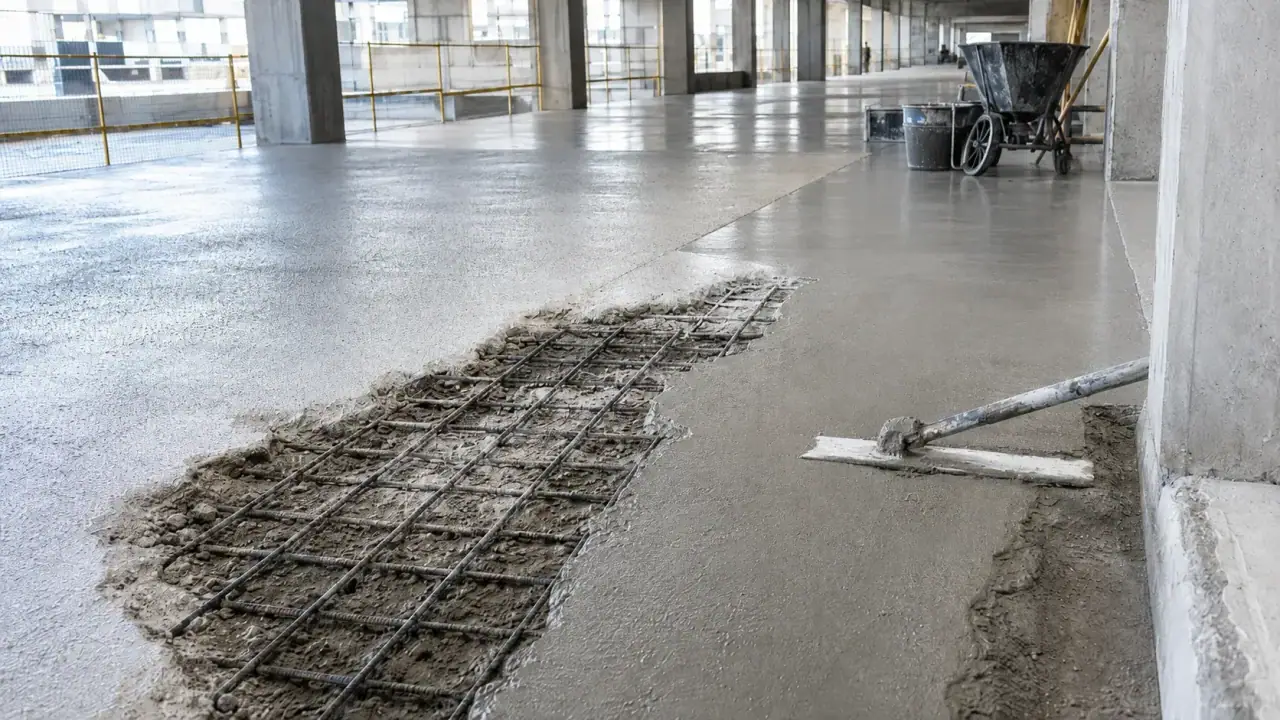
Commercial foundations need investigation when cracks widen, floors slope or heave, doors bind, masonry separates, water enters, columns move, or repeated repairs fail. Waiting can turn a localized waterproofing or stabilization problem into structural movement, damaged finishes and services, tenant disruption, emergency shoring, and lost operating time. Measure change and involve an engineer early.
By Harrowgate Group
Last updated: July 24, 2026
A crack is evidence, not a diagnosis. Some cracks are shrinkage or long-stable movement; others reflect settlement, frost, expansive soil, water pressure, corrosion, overloading, loss of support, or nearby excavation. The pattern, width, displacement, moisture, and rate of change matter.
Which foundation signs need attention?
| Sign | Possible concern | Response |
|---|---|---|
| New or widening diagonal cracks | Differential movement | Document and obtain engineering review |
| Horizontal wall cracks or bowing | Lateral soil or water pressure | Prompt structural assessment |
| Sloping or heaving slab | Settlement, frost, washout, expansive soil | Survey elevations and investigate subgrade |
| Recurring water entry | Drainage, cracks, joints, membrane failure | Trace source before cosmetic repair |
| Column or equipment misalignment | Foundation movement or load issue | Restrict risk area and assess promptly |
What affects commercial foundation repair most?
Rate of movement
A stable hairline crack is different from one that changes over weeks. Baseline measurements and repeat readings replace guesswork.
Water and drainage
Roof discharge, grading, blocked drains, leaking services, groundwater, and freeze-thaw cycles can create or accelerate distress.
Loads and building changes
New storage, racking, equipment, vibration, additions, slab penetrations, or removed walls can alter the original load path.
Soil and adjacent work
Fill settlement, underpinning, utility trenches, dewatering, excavation, and neighbouring construction can affect support.
What do Ontario rules and current data say?
Ontario identifies unstable adjacent structures, groundwater, soil classification, vibration, and excavation support as material hazards, all relevant when nearby work may affect a foundation. Source: Ontario excavation hazards guidance, accessed July 2026.
Statistics Canada reported Toronto non-residential construction prices rose 2.9 percent year over year in the first quarter of 2026, so deferred work may face both wider scope and higher market pricing. Source: Statistics Canada Building Construction Price Index, first quarter 2026.
How should you plan commercial foundation repair?
- Make the area safe. Restrict access when there is falling material, rapid movement, severe leakage near electrical systems, or doubt about stability.
- Document conditions. Photograph cracks with scale, map locations, note dates, survey elevations, and record operational symptoms.
- Investigate the cause. Coordinate structural, geotechnical, drainage, plumbing, envelope, and materials expertise as the evidence requires.
- Design and verify the repair. Repair the cause, define monitoring and acceptance criteria, and confirm performance after work instead of only concealing symptoms.
What problems should owners watch for?
- Repeated patching: Sealant, mortar, or coating can hide movement without addressing water, soil, load, or corrosion.
- Emergency procurement: Waiting until failure removes time for design, competitive pricing, material lead time, and planned shutdowns.
- Damage migration: Foundation movement can affect cladding, partitions, doors, piping, drains, roofing transitions, and equipment alignment.
For commercial foundation repair, Harrowgate Group’s trust baseline is 20 years in business, licensed, insured, and WSIB-covered.
Frequently asked questions
Are all foundation cracks structural?
No. Crack pattern, width, displacement, location, moisture, and change over time help determine significance.
Who should inspect a commercial foundation?
A structural engineer should assess suspected structural movement, often supported by geotechnical, drainage, plumbing, or envelope investigation.
Can foundation repair happen while a building operates?
Often, with phasing, access control, dust and noise measures, temporary support, and planned service interruptions. Some conditions require closure of the affected area.
What does waiting cost?
The cost can include a larger repair, damaged connected systems, emergency support, professional investigation, business interruption, tenant impacts, and lost asset value.
Should cracks be monitored?
Monitoring is useful when an engineer defines locations, method, frequency, and trigger levels. Informal photographs without scale or consistent reference are less useful.
Does waterproofing fix movement?
Waterproofing can stop water entry when properly designed, but it does not correct settlement, inadequate bearing, overload, or structural failure.
What is the next step?
Explore Harrowgate Group’s concrete foundation work, building restoration, and bulk excavation. Request an assessment quote with photographs, reports, and operating constraints.