
Built to spec
Built to your engineered drawings, survey, and the real site conditions, not a one-size-fits-all approach forced to fit.
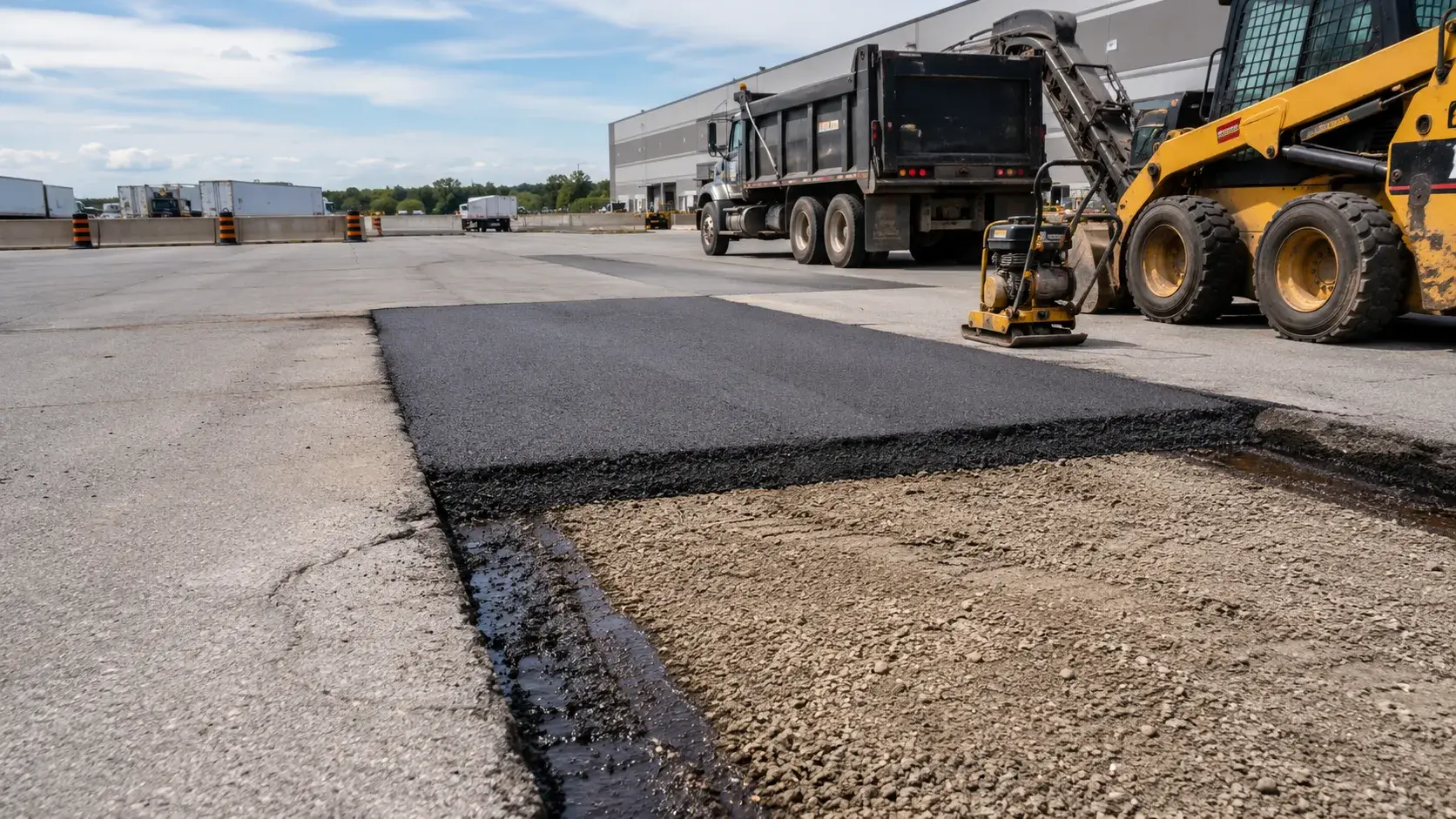
Asphalt Repair and Patching in Guelph is the cut, remove, and repave repair of failed asphalt areas on lots, roads, and yards.
Tell us what you need and we’ll get you a quote.
Licensed, insured & WSIB-covered · Free, no-obligation quote & on-site assessment.
Built to your engineered drawings, survey, and the real site conditions, not a one-size-fits-all approach forced to fit.
Durable materials and methods chosen for the load, traffic, and environment on site.
Send specs, drawings, or photos and get a free, no-obligation site visit and estimate with no guesswork.
Installation and site work completed in accordance with Ontario requirements.
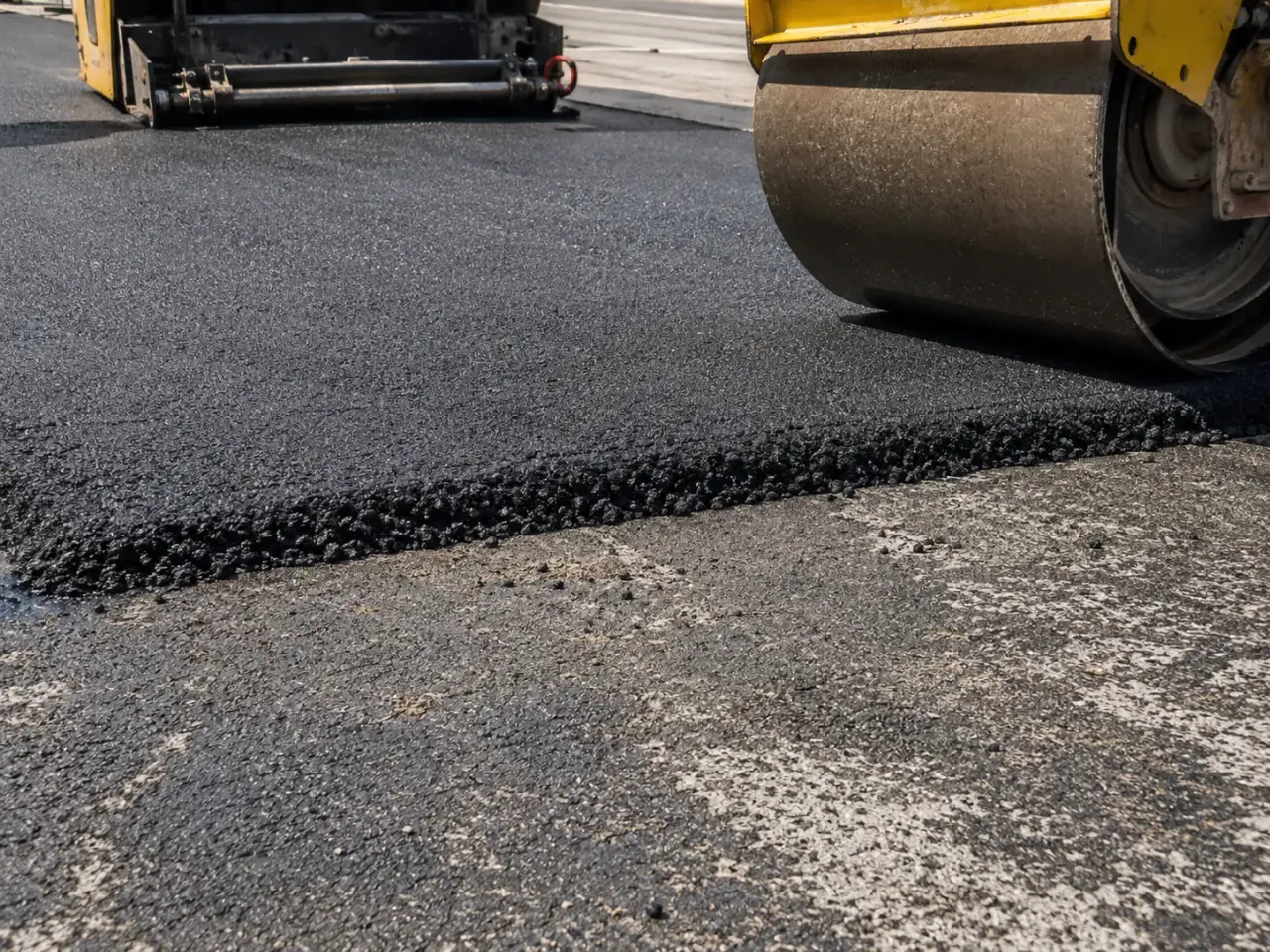
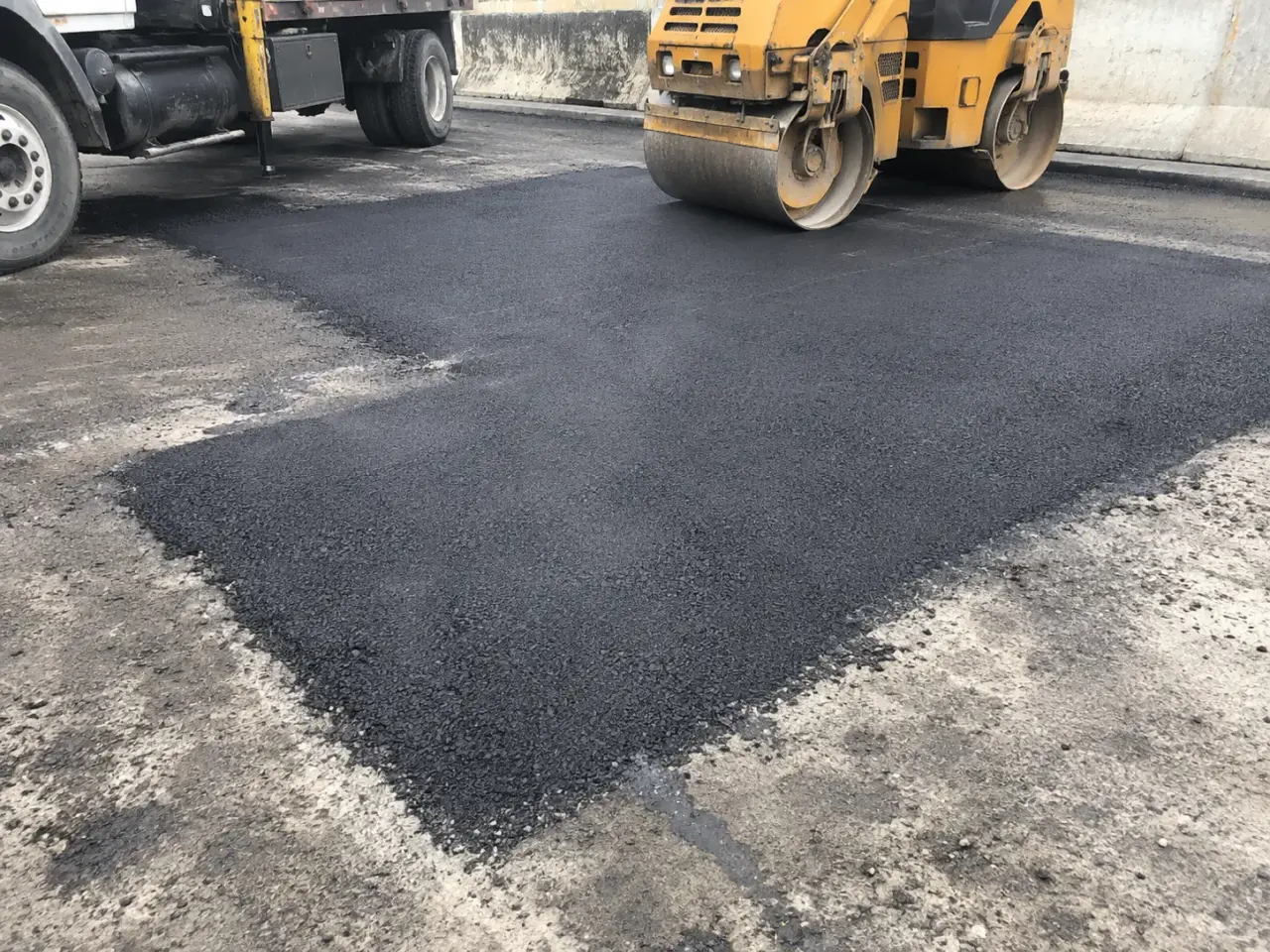
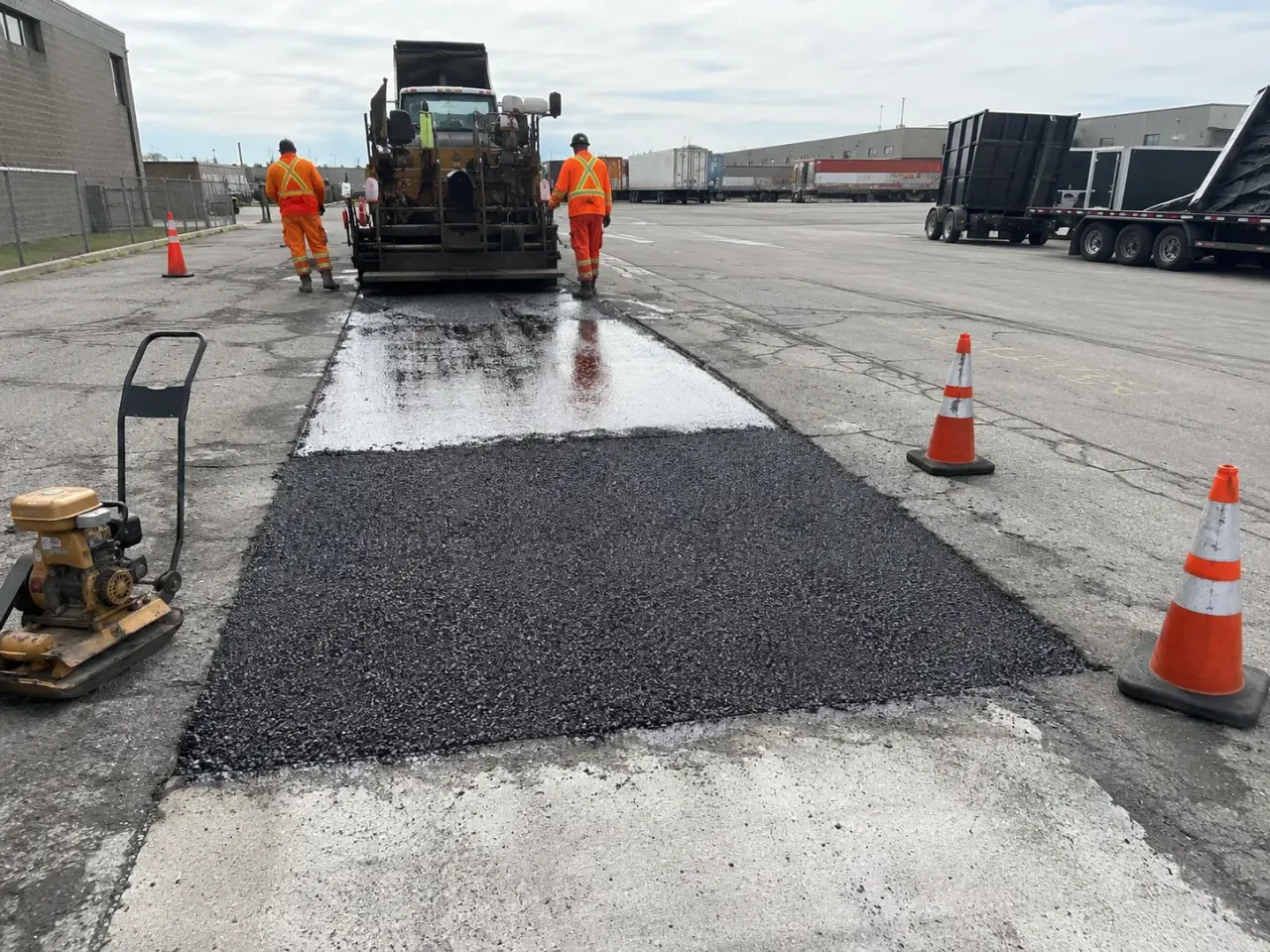
Surface patches, full-depth asphalt patches, base reconstruction, infrared repair, and utility-cut restoration suit different distress depth, access, weather, traffic, and remaining pavement.
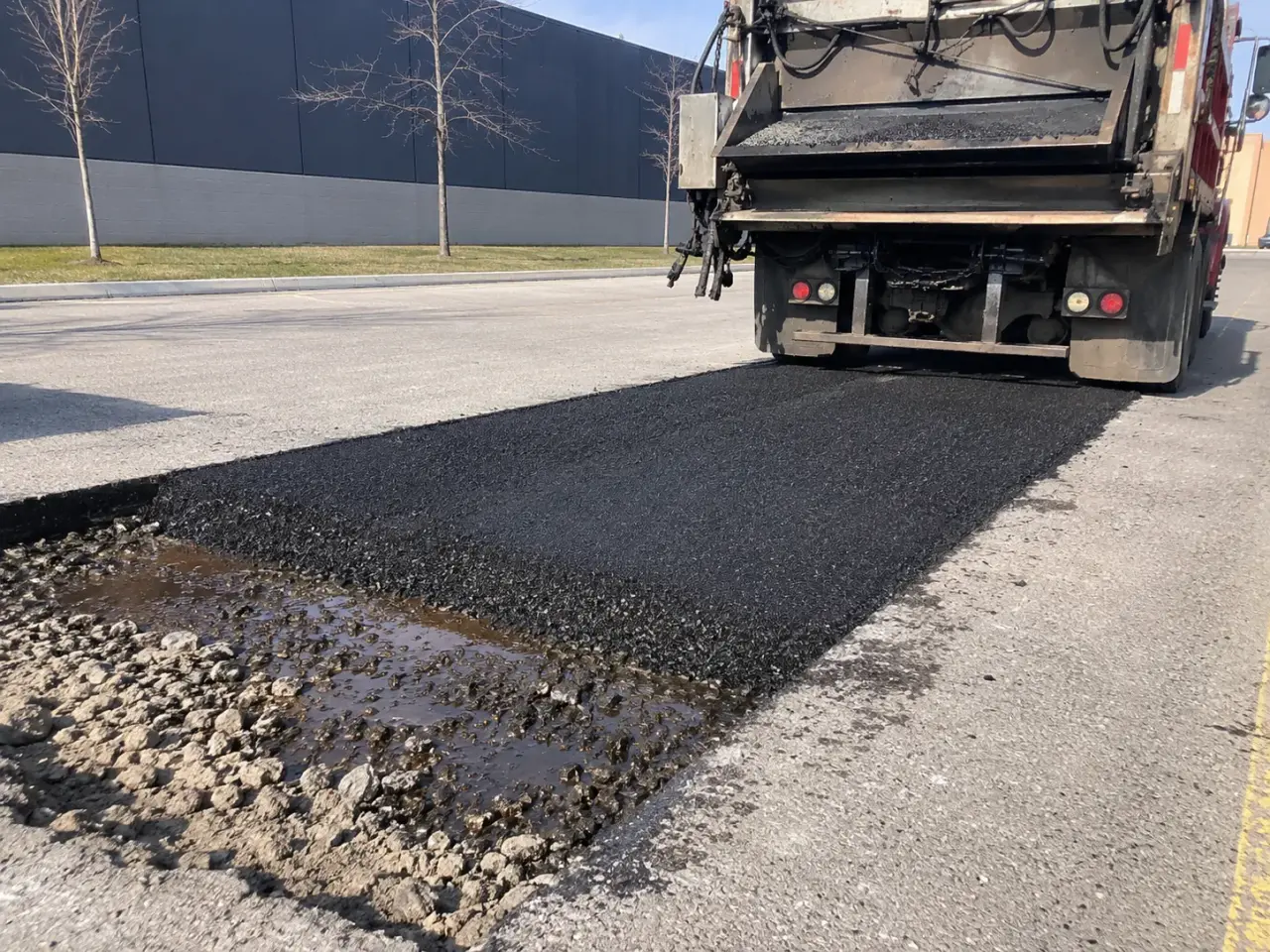
Step 1, We map each defect, open enough area to reach competent material, rebuild the support where necessary, and place hot mix in compactable lifts. Straight vertical edges, full tack coverage, hot material, and density at the joint determine whether a patch becomes part of the pavement or a loose plug.
Step 2, Work stage 1. We identify crack pattern, rut depth, edge movement, drainage, and loading, then probe or core representative defects. A depression with intact asphalt suggests settlement, while interconnected cracking and pumping identify a deeper support failure.
Step 3, Work stage 2. Patch boundaries extend beyond broken material into dense pavement and form simple rectangles aligned with traffic. Sawcutting or small milling equipment creates full-depth faces and avoids narrow wedges that cannot be compacted.
Step 4, Work stage 3. Failed asphalt and contaminated granular are removed. Wet or yielding subgrade is undercut, stabilized, or replaced as directed, and granular is installed in controlled compacted lifts to leave room for the designed asphalt courses.
Step 5, Work stage 4. The excavation is swept clean and all vertical and horizontal asphalt faces receive tack. Base-course hot mix is placed first where depth requires it, compacted fully, and checked before surface mix is added.
Step 6, Work stage 5. Hot mix is placed slightly proud to account for compaction, worked without segregation, and rolled from the stable pavement toward the centre. Plate compactors and small rollers are used only where their size can achieve uniform density.
Step 7, Work stage 6. Finished joints are checked for low edges, open texture, and rocking. Drainage is verified, specified joint seal is installed, debris is removed from inlets, and traffic returns only after the mat cools.
Planning asphalt repair and patching in Guelph? Talk it through with our team.
Repairs follow the project's OPSS 310 or municipal hot mix requirements, OPSS granular specifications where invoked, and approved restoration details for utility cuts, structures, and pavement type. the applicable local municipal specification controls hot mix quality, joints, compaction, and sealing on applicable work.
Control point 1. The replacement mix matches the layer and loading. Surface mix is not used as a deep single lift where the design calls for binder course, and cold mix is reserved for temporary or specifically approved conditions.
Control point 2. the applicable local municipal specification lists minimum pavement compaction of 91 percent for SP 19.0 and SP 25.0 and 92 percent for other listed mixes. Small patches still need a roller or compactor matched to lift thickness and access.
Control point 3. Tack coat forms a thin continuous bond on clean, dry surfaces. the applicable local municipal specification lists different residual ranges for new, existing, and milled asphalt because surface texture changes emulsion demand.
Control point 4. Patch lift thickness must suit aggregate size and available compaction energy. Deep holes are rebuilt in multiple lifts, with each lift compacted to the edge before the next is placed.
Control point 5. Utility-cut restorations follow the owner's trench detail for backfill, granular, asphalt steps, and joint treatment. Surface patch limits often extend beyond the trench so unsupported edges and construction damage are removed.
Control point 6. Hot-poured rubberized material is used where the specification requires sealing around frames, appurtenances, and repair joints. The joint must be clean and dry so the sealant bonds rather than bridging dust.
Partial-depth patching removes a failed surface layer while retaining sound binder and base. Full-depth patching removes all asphalt and repairs granular or subgrade where necessary. Harrowgate selects depth from crack pattern, coring, movement, rutting, water, and exposed conditions. Fatigue cracking and pumping normally require deeper work than isolated ravelling.
Patch edges fail when they are irregular, dirty, polished, untacked, cold, or too thin to compact. Harrowgate sawcuts or mills to dense vertical faces, cleans and dries the cavity, applies tack, places hot mix against the edge, and concentrates rolling at the joint. Specified joint seal then limits water entry.
Cold mix is useful for urgent winter stabilization and situations specifically designed for that material, but it does not replace properly placed hot mix for most permanent structural patches. Harrowgate uses cold material to make an area safe when weather prevents hot work, then schedules a cut, base review, tack, hot mix, and compaction repair.
The boundary must extend beyond visible cracking and loose material to stable pavement, while remaining wide enough for proper excavation, placement, and compaction equipment. A small patch over a large weak zone will move. Harrowgate uses simple shapes, avoids narrow strips, and includes distressed edges or adjacent utility settlement within the repair limit.
Yes, hot mix repairs need a bonded interface unless the approved specification states otherwise. Tack is applied to clean, dry vertical edges and retained asphalt surfaces at the prescribed rate and allowed to break. It reduces sliding and water pathways between old and new pavement. Excess puddled emulsion is also avoided because it can create movement.
The patch must cool enough to resist indentation, steering marks, and edge movement. Time varies with lift depth, mixture, weather, base temperature, and vehicle loading. Harrowgate may release cars before loaded trucks or tight turning movements. Concrete collars, sealants, or adjacent structure repairs can extend the closure beyond asphalt cooling.
Yes. Full-depth failures, unstable utility cuts, settlement, and drainage defects are repaired before the general surface is milled or overlaid. Otherwise cracks and depressions quickly reflect through the new mat. Completing structural patches first also gives the resurfacing paver a consistent platform and allows final joints to be covered by a continuous lift.
Alligator cracking, pumping, deep rutting, base loss, utility settlement, or failed edges indicate distress below the surface that a thin patch will not correct.
Sound vertical faces provide compactable thickness, clean tack contact, reliable limits, and a joint that does not feather into weak asphalt.
Still have a question about asphalt repair and patching in Guelph? Ask our team directly.
Commercial and heavy-civil construction delivered for developers, contractors, property managers, and municipalities.
Send drawings, a site plan, or a description of the scope. Harrowgate Group is licensed, insured, and WSIB-covered.
Licensed, Insured & WSIB-Covered, work managed and documented on every job
Tell us what you need and we’ll get you a quote.
Harrowgate Group provides asphalt repair and patching, delivered and installed with quote-ready support across Toronto and surrounding Ontario communities.
Companies We've Worked With
Harrowgate Group delivers commercial and heavy-civil construction for developers, contractors, institutions, municipalities, and property groups across Ontario.
 Popeyes
  Tim Hortons
  Subway
  University of Toronto
  Madison Group
  RioCan
  Women's College Hospital
  Starbucks
  Mazda
Mazda  TD Bank
  City of Toronto Popeyes Tim Hortons Subway University of Toronto Madison Group RioCan Women's College Hospital Starbucks Mazda TD Bank City of Toronto